
"Why does my tent leak?" is often due to worn seams or inadequate waterproofing, with studies showing that around 30% of campers experience this issue. Identifying these causes and implementing effective solutions can prevent sleepless nights and protect your camping gear from damage.
While it’s a common misconception that all new tents are waterproof, this is often not the case. In fact, even well-used tents can develop leaks due to wear over time. Let’s examine the reasons behind this problem and identify how to prevent it effectively.
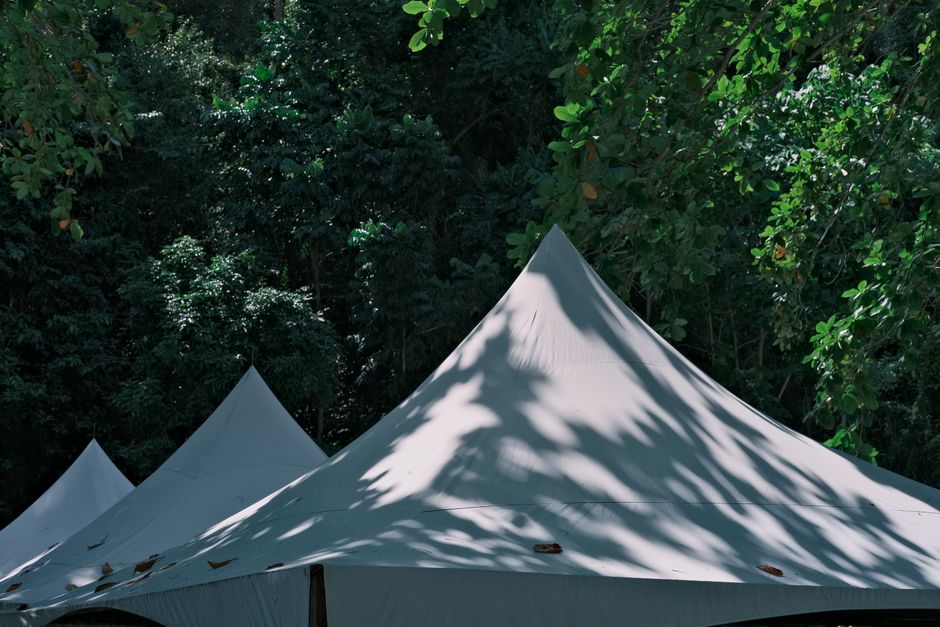
The Importance of Tent Materials
The first step in addressing leak issues lies in understanding your tent’s materials. Most modern tents are made from nylon or polyester, usually featuring a waterproof coating. The Denier rating, found on the tent’s tag, indicates the fabric’s thickness and durability: a rating of 300D or higher generally signifies a sturdy tent capable of enduring harsh conditions.
However, even high-quality tents can fail in terms of waterproofing. Over time, the coatings can wear off due to UV exposure and weathering. When selecting a tent, aim for a waterproof rating of at least 1,500 mm, while those camping in heavy rain should consider tents with ratings exceeding 3,000 mm. Research the specifics of your tent’s construction before heading out.
Common Causes of Tent Leaks
With materials understood, let’s explore the primary causes of tent leaks. A prevalent issue stems from inadequate seam sealing. If your tent’s seams aren’t correctly sealed, water can easily seep through. Many brands that advertise waterproof tents often neglect proper seam sealing. Applying additional seam sealer can mitigate this issue; this simple DIY fix can save many campers from sleepless nights.
Furthermore, if your tent includes a rainfly, improper installation can lead to leaks. Tensioning the rainfly adequately is crucial, as it needs to cover all seams effectively. Think of it as an umbrella: if it doesn’t function properly, you will get wet.
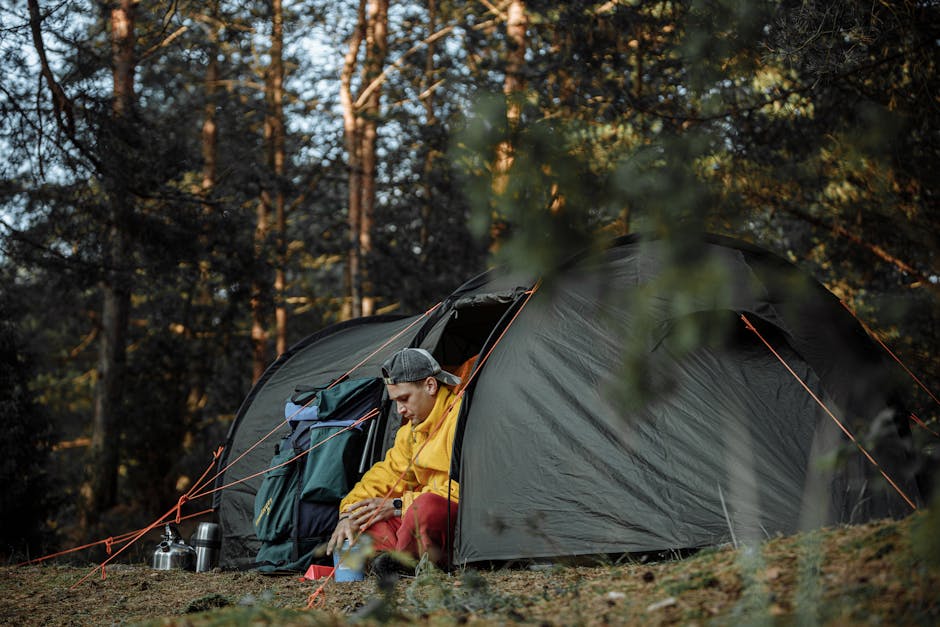
Regular Tent Maintenance is Essential
Routine maintenance is key to preventing leaks. Clean your tent regularly to avoid mold growth and material degradation. After each trip, shake out dirt and debris, and when washing, use a tent-specific cleaner instead of harsh soaps, which can damage waterproof coatings.
If your tent is aging, its waterproofing may have diminished. Spray-on waterproofing treatments can help rejuvenate your tent’s water resistance. Incorporate this into your tent care routine, especially if you plan to camp frequently in rainy weather.
Assessing Your Tent’s Environment
Another vital aspect to consider is the environment surrounding your tent. External factors often contribute to leaks that may not be immediately obvious. Pitching your tent on uneven ground can lead to water pooling underneath. Always seek a flat area or use a ground tarp to aid drainage.
Additionally, check weather conditions before your trip. Being informed about the forecast can enhance your camping experience. If rain is expected, set up your tent strategically to direct potential water runoff. Nearby trees or structures may also affect water flow, so try to locate your tent on higher ground.
When is it Time to Replace Your Tent?
Despite preventive measures, you may eventually need to replace your tent. If water ingress persists despite your best efforts, it may indicate irreversible damage. Regularly inspect your tent for signs of material deterioration. Holes or worn spots may signal a need for replacement. Sometimes, investing in a new tent can save you significant hassle and discomfort.
Opting for a tent with a solid warranty can also provide reassurance against leaks. Many credible brands offer coverage for waterproof failures within a specific timeframe, offering peace of mind as you travel.
Strategies for Preventing Tent Leaks
- Invest in a high-quality, waterproof tent with a suitable Denier rating of 300D or higher.
- Prioritize seam sealing and be proactive about reapplying treatments as necessary.
- Maintain your tent regularly to extend its lifespan and performance.
- Choose appropriate terrain for pitching your tent, particularly in rainy conditions.
- Consider replacing old or damaged tents to ensure a worry-free camping experience.
Keeping your tent dry depends on proper preparation and understanding. Prioritize knowing your gear, maintaining it in excellent condition, and making smart choices about your campsite location. Learn more about fixing potential leaking issues that may arise during your adventures.
Frequently Asked Questions
How can I waterproof my tent?
You can waterproof your tent by applying a water-repellent spray designed for fabric or using a seam sealant on the seams. It is also advisable to regularly check and maintain the waterproof coatings, especially if the tent has been used frequently or stored improperly.
What are common causes of tent leaks?
Common causes of tent leaks include the deterioration of waterproof coatings due to aging, tears or holes caused by sharp objects, and inadequate seam sealing. Additionally, improper setup or pitch can create channels for water to enter.
Is it possible to fix a leaking tent?
Yes, you can fix a leaking tent by identifying the source of the leak and repairing it with patch kits, seam sealers, or waterproof sprays. For small holes, adhesive patches can provide a durable fix, while seams may require resealing.
Why does my new tent leak?
A new tent may leak if the waterproofing was not adequately applied during manufacturing, or if it was packed away wet, leading to degraded coatings. Additionally, new tents may require a period of ‘weathering’ to maximize their water resistance.
Can tent seams cause leaks?
Yes, tent seams are one of the most common sources of leaks, especially if they are not properly sealed. Water can seep through unsealed or poorly stitched seams, so it is essential to regularly check and maintain them.