
Regulating temperature in a budget tent is crucial for a comfortable camping experience, and using reflective materials can lower daytime heat by up to 15 degrees Fahrenheit. By employing simple strategies like setting up in the shade, using thermal blankets, or venting properly, you can significantly improve temperature control without breaking the bank. Transform your tent into a more comfortable space, regardless of the weather extremes.
Camping presents unique challenges in temperature regulation, particularly in budget tents, which often lack the insulation of higher-end models. For example, a thinner fabric can lead to heat loss at night or excessive warmth during sunny days. Fortunately, smart adjustments can enhance your comfort without breaking the bank.
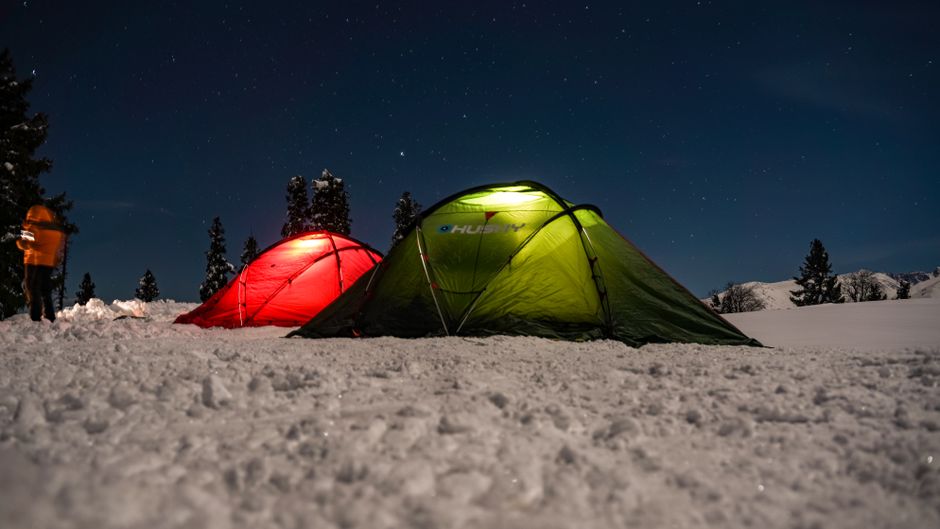
Stay Warm at Night with Smart Gear Choices
Choosing the right sleeping gear can dramatically improve your comfort. Look for sleeping bags rated at least 10 degrees warmer than your expected low temperatures. For instance, a sleeping bag rated for 20°F should suffice for trips where lows could drop to around 30°F. Additionally, consider investing in a sleeping padwhich offers insulation from cold ground temperatures that can draw heat away from your body.
Reflective materials can also help retain warmth. Space blankets or emergency bivvy bags are budget-friendly options lightweight enough to carry. Hanging these inside your tent helps redirect your body heat back towards you, creating a warm microclimate that enhances your sleeping conditions.
Combat Heat During the Day
As the sun rises, budget tents can quickly turn into uncomfortable spaces. To mitigate the heat, always try to pitch your tent in shaded areas. If natural shade is sparse, use a tarp or your tent’s rainfly to create an awning, reducing direct sunlight exposure and lowering the internal temperature.
Ventilation is another critical factor for staying cool. Most budget tents have ventilation options, such as mesh panels. If possible, open both doors in two-door models to promote cross-breezes. Rolling up windows and unfastening the fly can improve airflow, pushing out hot air and drawing in cooler air for relief.
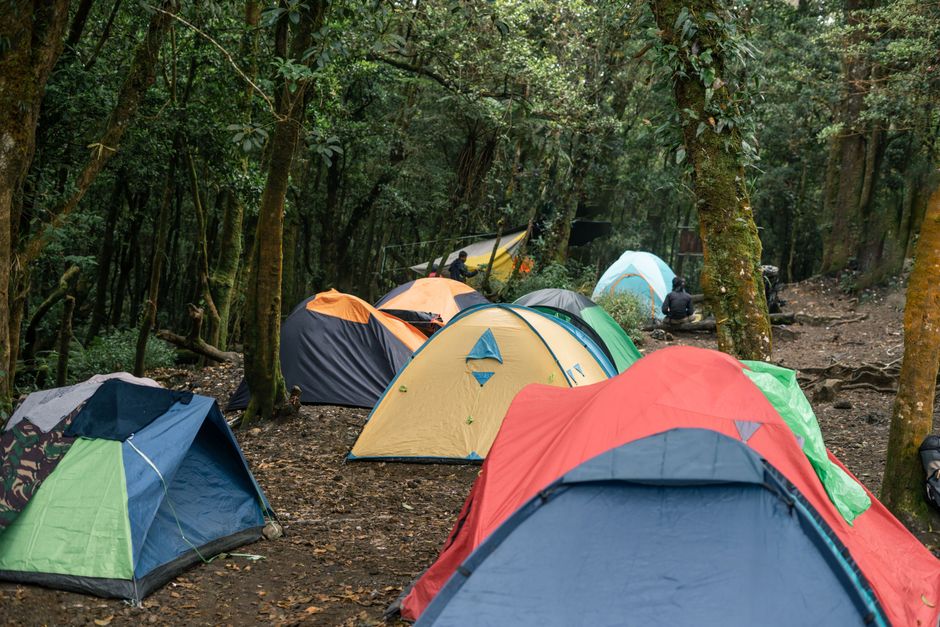
Enhancing Tent Insulation Without Breaking the Bank
You don’t need expensive gear to improve insulation. Natural materials available at your campsite can serve as effective insulators. Pine boughs, leaves, and grass can be placed beneath your sleeping pad or around your tent walls. Additionally, a layer of loosely arranged leaves outside your tent can block cold drafts effectively.
Strategically placing your tent is equally important. Setting up on slightly elevated ground can prevent cold air from pooling inside your tent. If you’re camping in a flat area, clear away debris and position your tent near trees or bushes that act as windbreaks, helping to reduce nighttime chill.
Choosing the Right Tent for Temperature Management
Selecting an appropriate tent involves balancing coverage and cost. Larger tents may offer better insulation but typically come with higher price tags. For strict budgets, consider smaller, three-season tents that provide durability and essential features for ventilation and shade, ideal for hot weather.
A tent carpet or footprint, though often overlooked, provides an additional layer of insulation and protects your tent floor from moisture and cold. While the initial investment may seem unnecessary, it contributes significantly to your overall comfort and tent longevity.
Avoid Common Mistakes in Temperature Management
A common misstep among campers is failing to prepare adequately for expected weather conditions. If you’re heading to an area with known chilly nights, neglecting to pack a properly rated sleeping bag can lead to discomfort. Additionally, not utilizing ventilation opportunities in your tent can trap heat, making your tent excessively warm.
Using inexpensive portable fans or solar-powered options can significantly improve airflow on hot days. The light breeze they create can make a considerable difference, enhancing your comfort level in a warm tent.
Decisive Verdict on Temperature Regulation in Budget Tents
Regulating temperature effectively in a budget tent is achievable with thoughtful strategies. Following tips such as selecting appropriate sleeping bags, maximizing ventilation, and utilizing natural insulation can lead to a comfortable camping experience without overspending. Pay attention to terrain and how you pitch your tent, as these factors play a significant role in your overall comfort.
With the right preparation and techniques, you can successfully enjoy camping, regardless of weather extremes.
Frequently Asked Questions
How can I insulate a cheap tent?
You can insulate a cheap tent by using reflective materials like emergency blankets or mylar sheets on the inside. Additionally, placing foam pads or blankets on the floor can help reduce heat loss.
What are good materials for tent insulation?
Good materials for tent insulation include reflective foil, bubble wrap, and camping pads, which provide both insulation and some cushioning. Wool or fleece blankets can also be effective when layered inside the tent.
Can you use a heater in a budget tent?
While it’s possible to use a heater in a budget tent, extreme caution is necessary to prevent fire hazards and ensure proper ventilation. It’s advisable to use a safe, portable heater designed for camping and never leave it unattended.
Why does my tent get so hot during the day?
Tents can get hot during the day due to direct sunlight hitting the fabric, which acts like a greenhouse, trapping heat inside. The dark colors of many budget tents can exacerbate this effect by absorbing more sunlight.
What is the best way to cool a tent without power?
The best way to cool a tent without power is to create cross-ventilation by opening windows and doors, and using fans if you have them. Additionally, placing a wet cloth or towels inside can help lower the air temperature through evaporation.