
To effectively learn how to use a backpacking stove, start by ensuring you have the correct fuel and pot compatible with your model, as many stoves require specific types for optimal performance. This crucial step transforms basic meals into enjoyable dining experiences while camping. A well-operated stove not only allows you to boil water for coffee but also enables you to cook hearty meals, enhancing your outdoor adventure significantly.
Many beginners find basic stove operation challenging; strong winds can complicate lighting and using a stove inside a tent poses risks of carbon monoxide poisoning. Fortunately, this guide provides practical tips to help you navigate these challenges and make your outdoor cooking enjoyable.
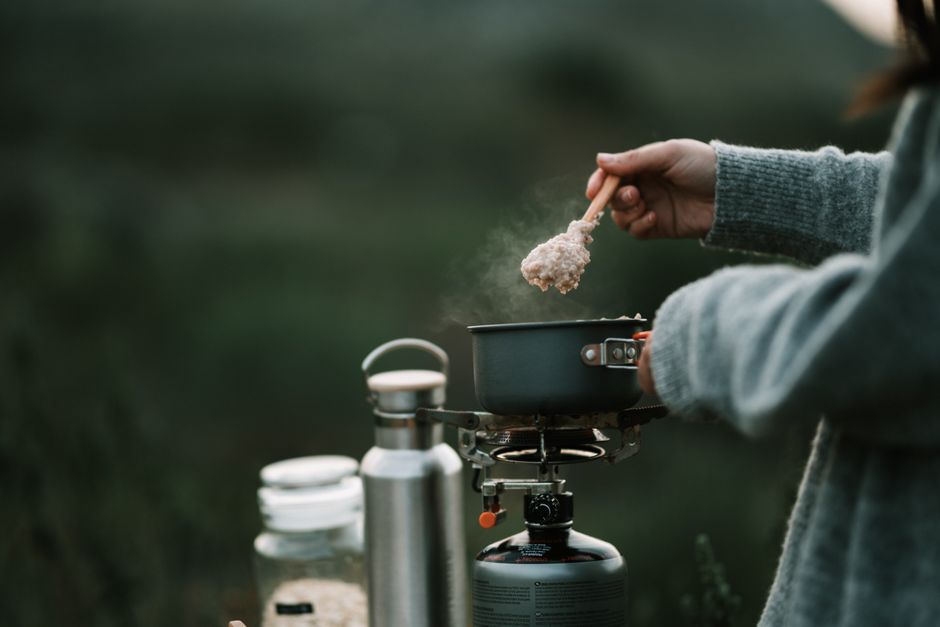
Selecting the Right Backpacking Stove for Your Needs
Choosing the right stove is your first step. Backpacking stoves primarily operate on three fuel types: canister, liquid fuel, and wood-burning. Canister stoves are favored by beginners for their convenience, fuel canisters are widely available and these stoves ignite quickly and regulate heat effectively. However, availability of canisters can vary depending on your location.
Liquid fuel stoves run on white gas and perform better in cold weather but require more maintenance and knowledge for safe usage. Wood-burning stoves offer the benefit of not needing to carry fuel, but they depend on finding suitable, dry wood. A canister stove is advisable for new users, providing the best combination of efficiency and ease.
Step-by-Step Guide to Setting Up
To use your stove, start by finding a flat, stable surface for setup. In windy conditions, a windscreen can greatly improve lighting success. As you assemble your stove, follow the manufacturer’s instructions closely and ensure all connections are tight to prevent gas leaks. Before lighting, double-check the area is clear of flammable materials.
Use a long lighter or match to ignite the stove, being cautious with your hand’s proximity to the flame. If it doesn’t ignite on the first attempt, give it a moment before retrying to allow fuel vapors to settle.

Cooking and Safety Tips
Once the stove is lit, monitor the burn time and adjust the flame as necessary based on your specific cooking needs. Different foods and pots will require varying heat levels, so be ready to make adjustments. Using a lightweight, heat-efficient pot that fits snugly on your stove enhances cooking performance. Always pack a spatula or spoon designed for high heat.
Be sure to cook outside, as carbon monoxide poisoning is a serious risk; stoves emit harmful fumes. Always choose a well-ventilated area for cooking, ensuring that smoke and gas can escape. If the weather is inclement, plan for a sheltered cooking area or use a cooking tarp.
Cleaning and Maintaining Your Stove
After each trip, thoroughly clean your backpacking stove. Food residue can build up and impact future performance. Wait for the stove to cool before disassembling it for cleaning. Use a soft cloth with mild detergent to wipe down the exterior and any removable parts. For liquid fuel stoves, regularly clean the fuel line and tank to prevent clogs.
Check fuel connections for wear and tear regularly to ensure safety on your next outing. Store your equipment in a dry place to avoid rust or material deterioration. Proper maintenance prolongs the life of your gear and enhances your outdoor experience.
Strong Recommendations for Outdoor Cooking
In summary, selecting the right stove, understanding setup, and proper maintenance are essential for a successful backpacking experience. Utilize a windscreen, check for gas leaks, and always prioritize safety by cooking outside. For further insights into outdoor cooking, explore my posts on budget camping stoves and best camping cookwareensuring you have the ultimate cooking kit for your adventures. Enjoy your next outdoor cooking experience!
Worth reading alongside this: best backpacking cookbooks.
For more, read about camping stove without overspending.
Frequently Asked Questions
How do you light a backpacking stove?
To light a backpacking stove, start by ensuring the fuel is connected properly and the valve is open. Use a lighter or a match to ignite the burner while carefully adjusting the fuel flow for a steady flame.
What type of fuel do backpacking stoves use?
Backpacking stoves commonly use canister fuel, which is typically a mix of propane and butane, or liquid fuels such as white gas. Some stoves are designed to run on alcohol or solid fuel tablets, so it’s important to choose the right stove type for your fuel.
Is it safe to use a backpacking stove in a tent?
Using a backpacking stove inside a tent is generally unsafe due to the risk of fire and carbon monoxide buildup. It’s best to cook outside in a well-ventilated area to minimize these hazards.
How to clean a backpacking stove?
To clean a backpacking stove, allow it to cool completely before disassembling components like the burner and pot support. Wipe down the parts with a damp cloth and use a soft brush for stubborn residue, avoiding any abrasive materials that could damage the stove.
Can you use a backpacking stove in the rain?
Yes, you can use a backpacking stove in the rain, but it’s advisable to provide some form of shelter to protect the stove and fuel from getting wet. A small tarp or a cooking vestibule can help create a dry space for safe cooking.