
To effectively learn how to pack out trash while camping, always carry extra trash bags, at least two per person, to ensure you can collect all waste generated during your trip. This practice is vital to preserving natural landscapes, as over 1 million tons of trash are produced by campers annually. By following this guideline, you contribute to a cleaner, safer environment for both wildlife and future visitors.
Many campers underestimate the waste they produce or fail to plan effectively for its management. Some believe they can bury, burn, or leave their trash behind, which only contributes to littered campsites and risks harming wildlife. Thorough preparation for waste management is essential; I’ve seen firsthand how leaving garbage behind can spoil nature for others.
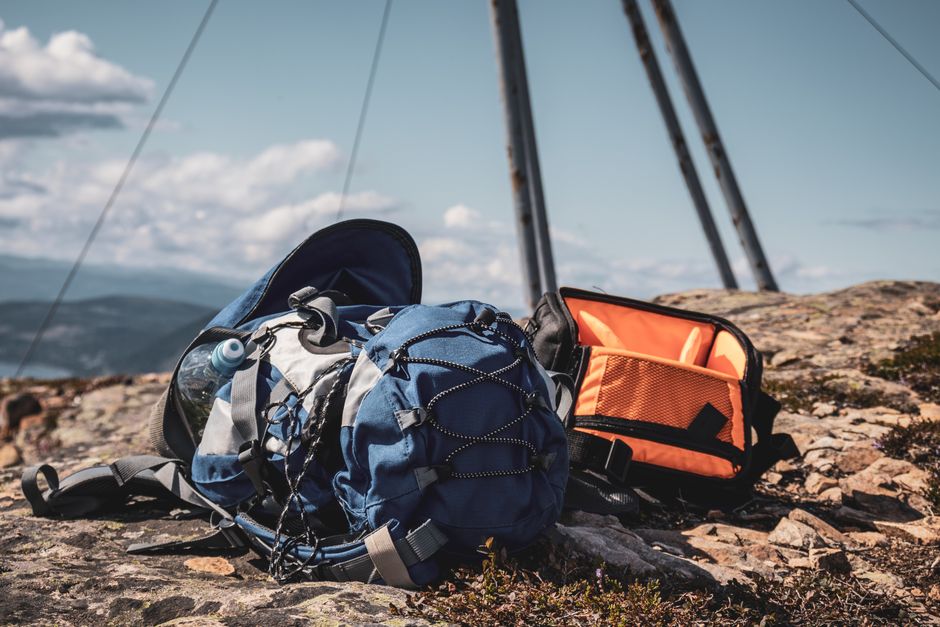
Why Every Piece of Litter Matters
Each item of litter left behind can have significant environmental repercussions. Animals may ingest harmful materials from human trash, leading to illness or death, while unsightly waste affects the aesthetic of our natural surroundings. For example, a soda can take up to 200 years to decompose, and a plastic bag can persist for over 1,000 years. These facts highlight the importance of packing out everything you bring.
Adopting sustainable camping practices not only protects the environment but also enhances your experience. Knowing that you’re leaving no trace allows for greater enjoyment of your surroundings without the worry of the impact your trash could have. Opt for eco-friendly camping gear, but remember that even biodegradable items should be packed out.
Essential Gear for Successful Trash Management
Before heading out, it’s crucial to prepare your trash management essentials. Start with extra trash bagsat least two sturdy bags per person, particularly if cooking or expecting to generate more waste. Choose durable contractor bags that can withstand heavy loads. If recycling is available, pack a separate bag for recyclables.
Always keep gloves handy for comfortable trash handling and to protect your hands. Some campers recommend using collapsible storage bins or buckets for organizing trash, which keeps your campsite tidy and simplifies transport. This organization enhances your camping experience while ensuring responsible waste management.

Local Disposal Regulations
Familiarize yourself with local disposal guidelines, as different campgrounds have varying rules. While some might permit burning certain waste types, others have strict prohibitions against it. Burning can produce hazardous residues or leave rubbish behind, so it’s wiser to pack out everything you generate.
If you’re unsure where to dispose of trash after your trip, state parks and national forests typically have designated waste management areas. It’s a good practice to check the park’s website beforehand for specific disposal instructions, ensuring you can dispose of your waste properly without hassle.
Avoiding Common Mistakes
One common oversight is underestimating the amount of trash generated on a trip. This can lead to running out of bags or overstuffing them, resulting in tears. Always err on the side of caution; it’s better to return home with extra bags than to leave trash behind.
Another frequent error is not properly compacting trash. Ensure that bags are tightly sealed and flatten recyclable materials to save space. This also reduces odors that may attract wildlife. Utilizing a small, durable container for food scraps keeps everything organized until you can dispose of it responsibly.
Our Verdict on Packing Out Trash
Effective trash management is a vital aspect of camping that reflects our respect for nature. Each camper plays an important role in maintaining the integrity of our natural spaces. Prepare thoroughly, utilize the right gear, and adhere to local disposal regulations. By adopting these practices, you contribute not only to a more rewarding camping experience for yourself but also safeguard the environment for future generations.
For more, read about stove without.
Frequently Asked Questions
What do you do with trash while camping?
While campingyou should always pack out all your trash, including food wrappers, plastic bottles, and other waste. Use trash bags to collect your refuse and store it securely until you can dispose of it properly at home or in designated bins.
Why is it important to pack out trash?
Packing out trash is crucial to preserving natural landscapes and protecting wildlife. Leaving trash behind can lead to pollution, harm animals that may ingest it, and spoil the camping experience for others.
How can I reduce trash on a camping trip?
You can reduce trash on a camping trip by planning ahead and bringing minimal packaging items, using reusable containers, and opting for food that generates less waste. Additionally, consider bringing a compostable camp stove or making meals that require fewer ingredients.
Is it okay to burn trash while camping?
It is generally not okay to burn trash while camping, as many materials release toxic fumes when burned. Instead, all trash should be packed out or disposed of in appropriate waste facilities.
Can you leave biodegradable waste in the wild?
While some biodegradable waste, like food scraps, may decompose naturally, it is best to pack it out to avoid attracting wildlife and disrupting local ecosystems. Following the Leave No Trace principles, it’s safer to dispose of all waste properly.