
Whether you're dealing with a stuck zipper, a zipper that won't close, or a separated zipper, knowing how to fix these problems without tools can be incredibly useful. When it comes to maintaining your backpack, one of the most common issues is a malfunctioning zipper.
In this comprehensive guide, we will explore effective methods to resolve zipper issues on your backpack, ensuring you can handle these repairs swiftly and efficiently.
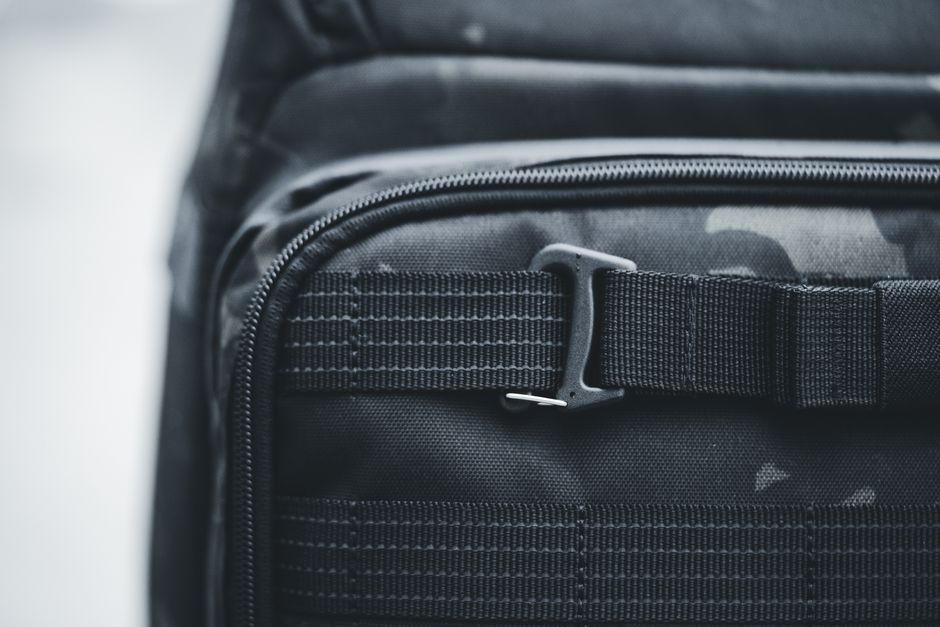
Understanding Zipper Problems
Before diving into solutions, it's crucial to understand the types of zipper problems you might encounter:
Stuck Zipper: The zipper slider is jammed and cannot move up or down.
Separation: The zipper teeth are not aligning correctly, causing the zipper to open unintentionally.
Broken Slider: The slider is damaged, causing the zipper to malfunction.
Misaligned Teeth: Zipper teeth are not meshing correctly, making it difficult to zip or unzip.
Effective Solutions for Common Zipper Issues
1. Fixing a Stuck Zipper
A stuck zipper is often caused by debris or fabric getting caught in the teeth. Here’s how to address this problem without using tools:
Lubricate the Zipper: Apply a small amount of lip balm, petroleum jelly, or even a bar of soap along the teeth of the zipper. Gently move the slider back and forth to work the lubricant in. This can help loosen any material that may be causing the zipper to stick.
Use a Pencil: Rub the tip of a pencil along the zipper teeth. The graphite can act as a lubricant, helping the slider move more smoothly.
Clean the Zipper: If debris is the issue, gently brush the teeth with your fingers to remove any dirt or fabric caught in the zipper.
2. Repairing a Separated Zipper
When a zipper separates, it can be due to misaligned teeth or a malfunctioning slider. Here’s how to fix it:
Realign the Teeth: Start by gently aligning the teeth of the zipper by hand. Make sure that the teeth are interlocking correctly. Move the slider slowly to see if the teeth mesh properly.
Adjust the Slider: If the slider is misaligned, gently squeeze it with your fingers to bring the teeth back into alignment. This may help re-engage the teeth correctly.
3. Fixing a Broken Slider
A broken slider can be challenging, but there are ways to manage without tools:
Reshape the Slider: If the slider is bent or deformed, you can try to gently press it back into shape using your fingers. Be cautious not to apply too much pressure, as this could further damage the slider.
Use a Paperclip: For a temporary fix, you can use a paperclip to hold the zipper together. Bend the paperclip into a small U-shape and clip it onto the zipper to keep it closed. This is not a permanent solution but can be useful in a pinch.
4. Addressing Misaligned Teeth
Misaligned teeth can prevent the zipper from functioning correctly. Here’s how to address this issue:
Manual Adjustment: Use your fingers to carefully realign the teeth. Make sure that each tooth is properly engaged with the adjacent tooth. This can often resolve minor alignment issues.
Zipper Pull Technique: Gently pull the zipper slider back and forth while ensuring the teeth are aligning correctly. This can sometimes help in getting the teeth to mesh properly.
Preventive Measures for Zipper Maintenance
To ensure that your zipper remains in good condition and to prevent future issues, consider these preventive measures:
Regular Cleaning: Keep the zipper clean by brushing away any debris and applying a lubricant periodically.
Avoid Overloading: Do not overload your backpack, as excessive pressure can strain the zipper and cause damage.
Check Before Use: Before closing the zipper, check that no fabric or items are caught in the teeth.
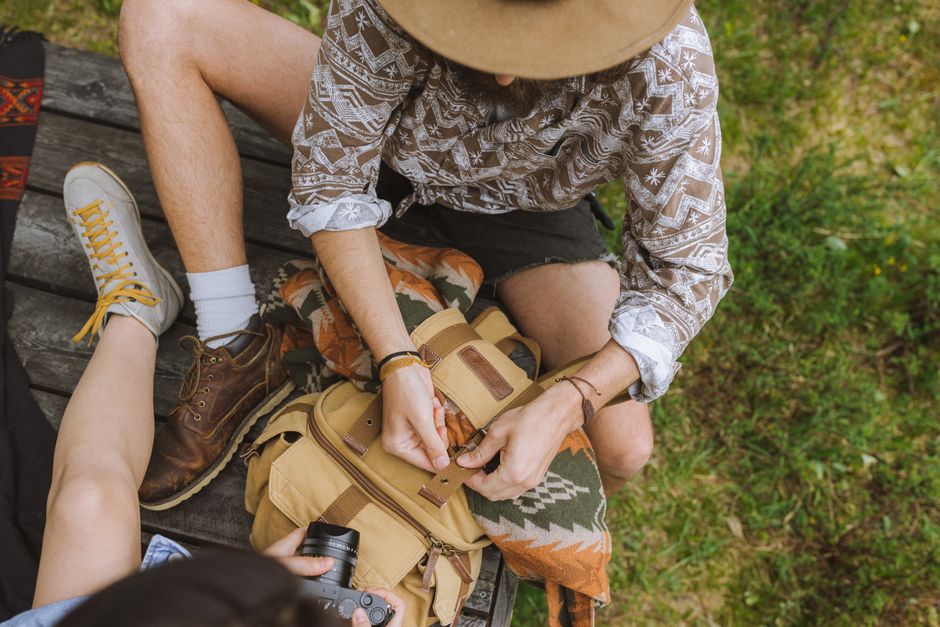
Cost-Effective Maintenance Tips for Zippers
Maintaining your beach backpack’s zipper can extend its lifespan without breaking the bank. Regular cleaning with a damp cloth removes dirt that can hinder function. After cleaning, apply a little beeswax or soap to lubricate the zipper, allowing smoother operation.
It’s wise to invest in zipper lubricant; it's inexpensive and can prevent sticking before it starts. Replacing the zipper can be expensive, often costing $20 to $30 or more. Proper upkeep costs significantly less and keeps your gear in working order. Additionally, learn more about how to fix a zipper by referring to online guides.
Using Household Items for Quick Zipper Fixes
Sometimes, everyday household items can offer quick solutions to stubborn zippers. For example, a pencil lead can serve as a lubricant. Simply rub the pencil tip along the zipper teeth. Another handy item is soap. Rubbing a bar of soap along the zipper can minimize friction and help it glide smoothly.
If you have a wax candle, try rubbing it over the zipper. This method can provide a slick surface and ease movement. In a pinch, lip balm or petroleum jelly can also do the trick. Just apply a small amount carefully to avoid attracting dirt.
Avoiding Common Mistakes While Repairing Zippers
When fixing zippers, it's easy to make mistakes that can worsen the situation. One common error is using excessive force. Jerking the zipper may break the slider or cause further damage. Instead, apply gentle pressure and check for alignment as you work.
Another issue is overlooking lubrication. You might think a stuck zipper can just be yanked open. Neglecting lubricant can lead to tearing of the fabric or ripping the zipper teeth. Always assess whether a little wax or soap could help first.
Make sure to avoid over-tightening the zipper during your fixes. If it’s too tight, it could break the teeth or the slider. Staying patient and using appropriate methods will ensure a successful repair.
Conclusion
Properly maintaining and repairing the zipper on your backpack can extend its lifespan and functionality. By following the methods outlined above, you can effectively address common zipper issues without the need for tools. Remember that regular care and preventive measures can help avoid many zipper problems in the future.