
Choosing the right backpack can make or break your outdoor or photography experience. While camera backpacks and hiking backpacks may look similar at first glance, they are designed for very different purposes. Understanding these differences will help you protect your gear, stay comfortable, and enjoy your trip whether you’re shooting landscapes, trekking mountains, or doing both.
This article breaks down camera backpacks vs hiking backpacks in detail, covering design, comfort, capacity, accessibility, durability, and ideal use cases.
What Is a Camera Backpack?
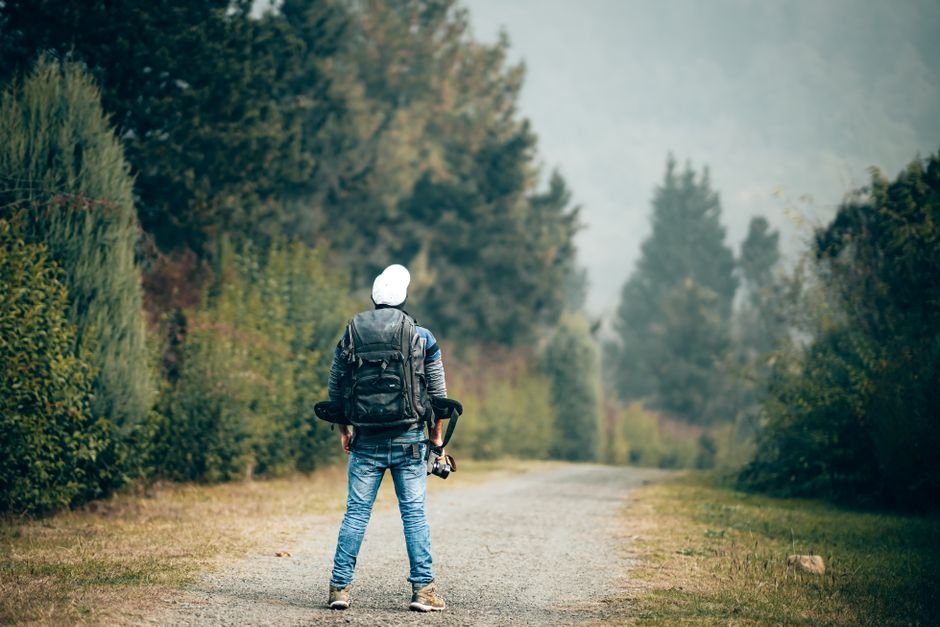
A camera backpack is specifically designed to carry photography gear safely and efficiently. Its primary purpose is to protect expensive equipment while providing quick access during shoots.
Key Features of a Camera Backpack
- Padded camera compartments with customizable dividers
- Dedicated laptop/tablet sleeves
- Quick-access side or rear panels for fast lens or camera retrieval
- Tripod attachment systems
- Weather-resistant materials and rain covers
- Structured shape to prevent gear shifting
Camera backpacks prioritize gear protection and organization over carrying large volumes of general supplies.
What Is a Hiking Backpack?
A hiking backpack is designed for comfort, balance, and endurance over long distances. Its goal is to carry essentials like food, water, clothing, and safety gear as efficiently as possible.
Key Features of a Hiking Backpack
- Large main compartment with flexible storage
- Advanced suspension systems (hip belt, load lifters, frame)
- Breathable back panels for airflow
- Hydration bladder compatibility
- External attachment points for trekking poles or sleeping gear
- Lightweight and ergonomic design
Hiking backpacks prioritize comfort, weight distribution, and endurance rather than protecting fragile equipment.
Design and Internal Layout
Camera Backpack Design
Camera backpacks are built around structured compartments. The interior is often divided into:
- Camera body section
- Lens slots
- Accessory pockets (batteries, filters, cables)
This structure prevents gear from knocking into each other but reduces flexibility for non-camera items.
Hiking Backpack Design
Hiking backpacks have a single large main compartment with optional internal dividers. This allows:
- Flexible packing
- Easy storage of bulky items
- Custom packing strategies depending on trip length
Winner:
- Photography-focused trips → Camera backpack
- Gear-light, flexible packing → Hiking backpack
Comfort and Weight Distribution
Camera Backpack Comfort
Camera backpacks offer moderate comfort but are often:
- Heavier due to padding
- Less adjustable than hiking packs
- Designed for shorter walks or frequent stops
They work well for urban photography, day trips, or short hikes.
Hiking Backpack Comfort
Hiking backpacks excel in comfort thanks to:
- Padded hip belts that transfer weight to the hips
- Adjustable torso lengths
- Internal or external frames
- Balanced load distribution
They are ideal for long hikes, steep terrain, and multi-hour treks.
Winner: Hiking backpack
Accessibility and Speed
Camera Backpack Accessibility
Camera backpacks are designed for speed:
- Side-access panels allow you to grab your camera without removing the bag
- Rear-access designs add security in crowded places
- Everything has a designated place
This is crucial when lighting or wildlife moments are fleeting.
Hiking Backpack Accessibility
Hiking backpacks require:
- Removing the bag
- Opening the top or front panel
- Digging through contents
Accessing a camera inside a hiking backpack can be slow unless modified.
Winner: Camera backpack
Protection and Safety
Camera Backpack Protection
Camera backpacks offer:
- Thick padding
- Impact protection
- Weather-resistant fabrics
- Rain covers
They are specifically designed to protect fragile and expensive equipment.
Hiking Backpack Protection
Hiking backpacks:
- Protect against weather and abrasion
- Do not provide impact protection for cameras
- Require additional padded inserts for camera safety
Winner: Camera backpack
Capacity and Versatility
Camera Backpack Capacity
Camera backpacks are limited by:
- Rigid internal structures
- Gear-first design
Once camera gear is packed, space for food, clothing, or camping items is limited.
Hiking Backpack Capacity
Hiking backpacks offer:
- Larger volume options (20L–70L+)
- Flexible storage
- Better support for heavy loads
They are better for:
- Full-day hikes
- Overnight or multi-day trips
- Carrying layers, food, and safety gear
Winner: Hiking backpack
Durability and Materials
Camera Backpack Durability
Camera backpacks use:
- Durable fabrics (nylon, polyester)
- Reinforced padding
- Weather coatings
However, they are not always designed for:
- Scraping against rocks
- Heavy abrasion over long periods
Hiking Backpack Durability
Hiking backpacks are built for harsh environments:
- Ripstop fabrics
- Reinforced stress points
- Designed to handle rough terrain
Winner: Hiking backpack
Tripod and Gear Carrying
Camera Backpack
- Dedicated tripod holders
- Balanced positioning
- Secure straps
Hiking Backpack
- Can carry tripods using compression straps
- Less stable without proper mounting points
Winner: Camera backpack
Price Comparison
- Camera backpacks tend to be more expensive due to specialized padding and design.
- Hiking backpacks offer a wider price range and often better value for load capacity and comfort.
Budget-conscious users may prefer a hiking backpack with a camera insert.
Ideal Use Cases
Choose a Camera Backpack If:
- Photography is your primary goal
- You carry multiple lenses and accessories
- You need fast camera access
- You do short hikes or urban exploration
- Gear protection is your top priority
Choose a Hiking Backpack If:
- Hiking or trekking is your main activity
- You hike long distances or steep terrain
- You carry food, water, and clothing
- You only bring one camera and lens
- Comfort and endurance matter most
Hybrid Solution: Hiking Backpack + Camera Insert
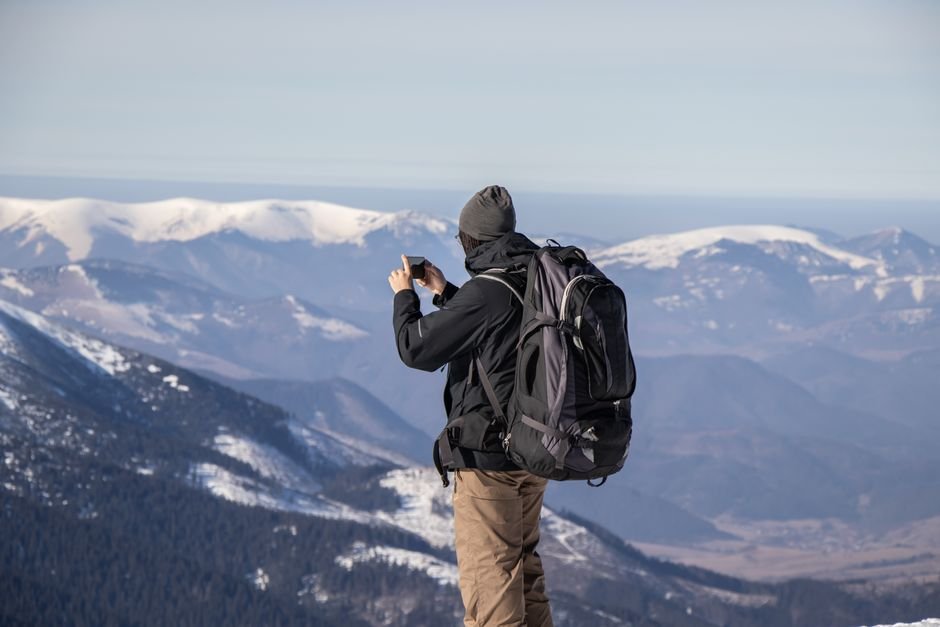
Many outdoor photographers choose a hybrid approach:
- A hiking backpack for comfort
- A padded camera insert for protection
Pros
- Best hiking comfort
- Flexible packing
- Often cheaper
Cons
- Slower camera access
- Less gear organization
This setup works well for landscape photographers and backpackers.
For a deeper look, see Weseektravel's guide.
Conclusion
Choosing between a camera backpack and a hiking backpack ultimately depends on your priorities and how you plan to use the bag. If photography is the main purpose of your trip, a camera backpack is the better choice.
It offers superior protection for expensive equipment, excellent organization, and quick access to your camera and lenses features that are essential when moments are fleeting and gear safety is critical.
On the other hand, if hiking, trekking, or long-distance travel is your primary focus, a hiking backpack stands out. Its comfort-focused design, better weight distribution, larger capacity, and durability make it ideal for extended time on the trail, even though it requires extra padding or inserts to safely carry camera gear.
For those who balance both photography and hiking, a hybrid solution a hiking backpack paired with a padded camera insert can provide the best compromise between comfort and protection.