
When it comes to choosing the right backpack for everyday use or specific missions, EDC backpacks and tactical backpacks are two of the most talked-about options. Each has its own strengths and ideal use cases but which one should you choose? This article breaks down the key differences, benefits, and best uses for each so you can make an informed decision.
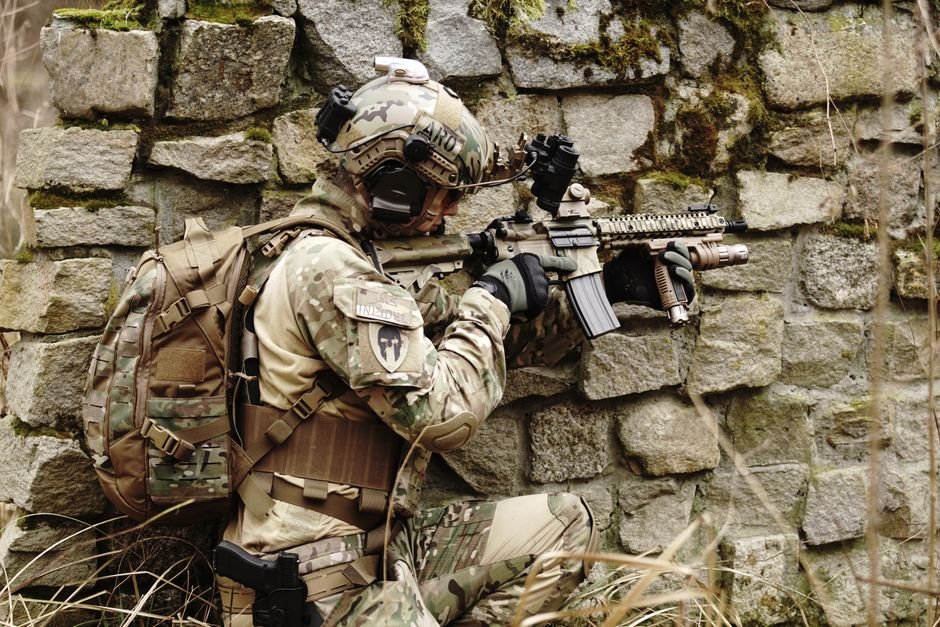
Table of Contents
Introduction
What Is an EDC Backpack?
Key Features
What Is a Tactical Backpack?
Key Features
EDC Backpack vs Tactical Backpack: Direct Comparison
Design & Aesthetics
Functionality
Comfort & Wearability
Durability & Build Quality
Storage & Organization
Price
When to Choose an EDC Backpack
When to Choose a Tactical Backpack
How to Choose the Right One for You
Conclusion
1. Introduction
Whether you're heading to work, school, travel, or outdoor adventures, your choice of backpack can have a surprising impact on your daily life. Two of the most popular categories — EDC (Everyday Carry) backpacks and tactical backpacks — both offer versatility, but they are designed with different priorities in mind.
Choosing between them depends on your lifestyle, daily needs, and personal preferences.
2. What Is an EDC Backpack?
An EDC backpack is designed for everyday use. “Everyday Carry” refers to the essential items you carry every day phone, wallet, keys, laptop, water bottle, notebook, and more.
Key Features
Compact and lightweight: Usually smaller than tactical packs, designed for everyday commuting and casual use.
Urban-friendly design: Sleek, minimalistic look that works in workplaces, campuses, and city streets.
Organized compartments: Multiple pockets, sleeves, and organizers for gadgets and daily essentials.
Comfortable straps: Designed for all-day carry with padded straps and breathable materials.
Tech-friendly: Many come with dedicated laptop/tablet sleeves and cable access points.
3. What Is a Tactical Backpack?
A tactical backpack originates from military and law enforcement use. It’s built for rugged environments and heavy loads.
Key Features
Heavy-duty construction: Made to withstand rough use, often with high denier nylon and reinforced stitching.
MOLLE webbing: Modular attachments that allow pouches and accessories to be added.
Large storage capacity: Designed for gear, tools, and supplies for outdoor, survival, or tactical activities.
Utility-focused design: Multiple compartments, hydration bladder pockets, and quick-access areas.
Camouflage and rugged aesthetic: Often available in tactical colors like coyote brown, olive drab, or camouflage prints.
4. EDC Backpack vs Tactical Backpack: Direct Comparison
Here’s how the two categories stack up:
Design & Aesthetics
EDC backpacks: Sleek, modern, and subtle — perfect for work or school.
Tactical backpacks: Rugged and military-inspired — ideal for outdoor or tactical environments but may stand out in urban settings.
Functionality
EDC backpacks: Built for daily tools — laptops, notebooks, chargers, etc.
Tactical backpacks: Designed for tactical gear — tools, survival kits, hydration bladders, and modular accessories.
Comfort & Wearability
EDC backpacks: Generally lighter and more comfortable for daily use.
Tactical backpacks: May feel bulky, especially when fully loaded, but offer superior support with adjustable straps.
Durability & Build Quality
EDC backpacks: Durable for daily use but not typically designed for rough-terrain abuse.
Tactical backpacks: Built to withstand heavy wear, challenging environments, and heavy loads.
Storage & Organization
EDC backpacks: Great internal organization for tech and small items.
Tactical backpacks: Excellent modular storage with customizable external attachments.
Price
EDC backpacks: Often mid-range pricing with good value for everyday use.
Tactical backpacks: Can range from affordable to high-end, depending on materials and features.
5. When to Choose an EDC Backpack
An EDC backpack is a smart choice if:
You need a daily commuter bag for work, school, or travel.
You carry electronics and documents as essential daily items.
You prefer a discreet, urban-friendly look.
Comfort and lightweight design are top priorities.
Great for students, professionals, and everyday urban life.
6. When to Choose a Tactical Backpack
A tactical backpack is ideal if:
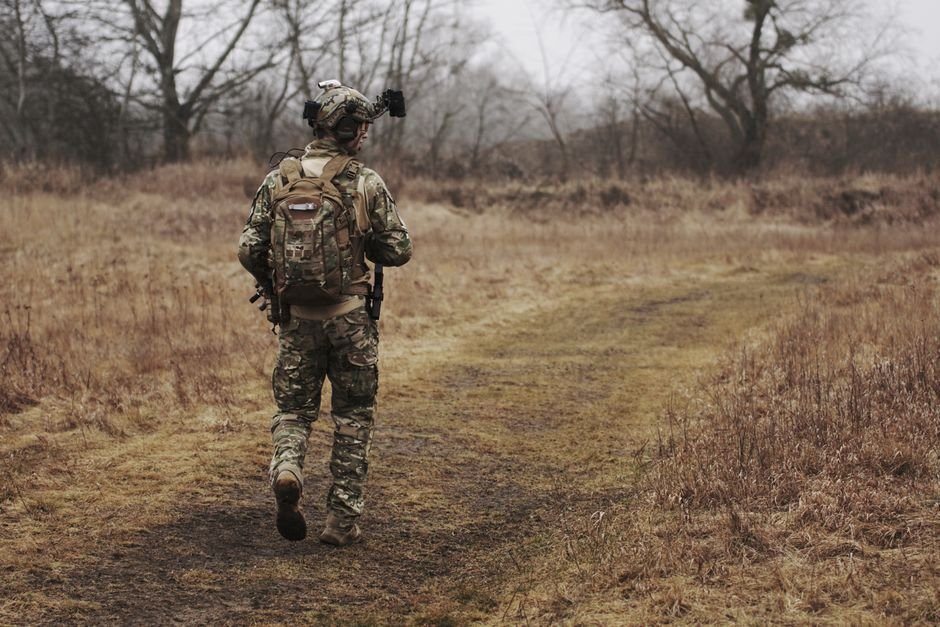
You spend time outdoors, camping, or hiking.
You carry heavy gear or survival equipment.
You want modular customization with attachments.
Durability and ruggedness outweigh sleek aesthetics.
Perfect for hikers, campers, emergency preparedness, and tactical professionals.
7. How to Choose the Right One for You
To decide:
Ask Yourself:
What will I mostly use it for? Daily commute or outdoor missions?
Do I need lots of pockets and modular expansion?
How important is comfort for long hours of wear?
Am I prioritizing style or rugged functionality?
Quick Tip: If your daily routine is urban-centered, a quality EDC backpack will serve you better. If you spend more time outdoors or need to carry heavy gear, a tactical pack is likely the smarter choice.
For a deeper look, see 511tactical's guide.
Who Suits Each Option Best?
Understanding your lifestyle can greatly influence your choice. If you frequently commute or travel for work, an EDC backpack is a great match. Its sleek design makes it suitable for both office and casual environments.
On the other hand, if you’re an outdoor enthusiast or engage in tactical activities, a tactical backpack will serve you better. They are designed for carrying heavy loads and are equipped for rugged use.
- EDC Backpack: Best for urban dwellers, students, and daily commuters.
- Tactical Backpack: Ideal for adventurers, military personnel, and survivalists.
Conclusion
Both EDC and tactical backpacks have unique strengths. Your choice should be guided by how and where you plan to use the bag.
Choose an EDC backpack for everyday use, sleek aesthetics, and tech organization.
Choose a tactical backpack for rugged durability, modular gear storage, and outdoor readiness.
By understanding these differences, you'll be better equipped to choose a backpack that fits your lifestyle and needs whether in the city, on the trail, or beyond.