
Everyday carry (EDC) gear isn’t just about what you carry it’s about how you carry it. Choosing the right bag can affect comfort, organization, security, and overall daily efficiency. Two of the most popular options for everyday use are the EDC Backpack and the Messenger Bag. But which one is more practical? Let’s breakdown their features, advantages, limitations, and ideal use cases.
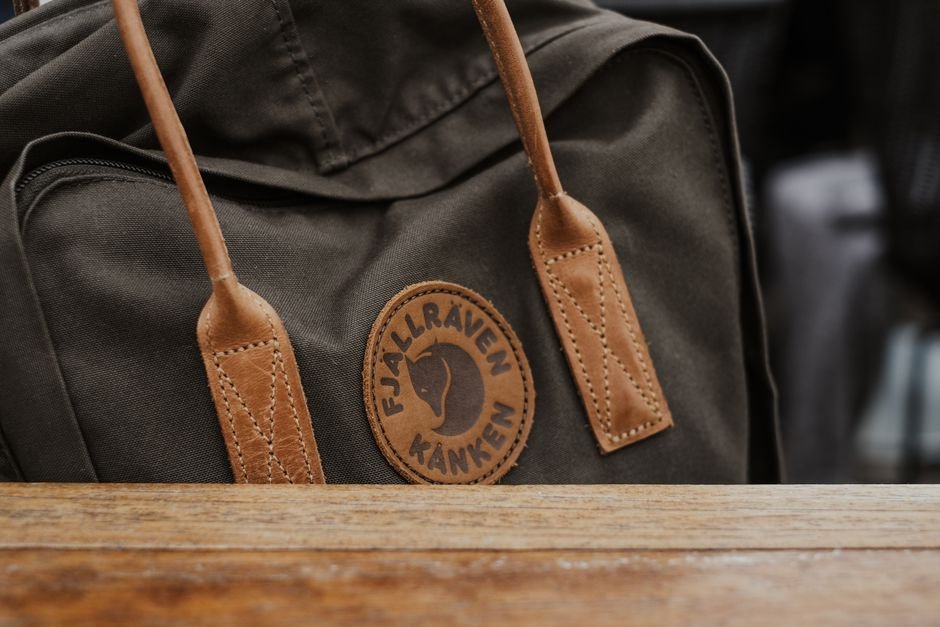
1. What Is an EDC Backpack?
An EDC Backpack is a compact, purpose-built backpack designed to carry daily essentials from tech gadgets and notebooks to tools and personal items in an organized, ergonomic way. Unlike large hiking or travel backpacks, EDC backpacks prioritize compact size, accessibility, and modular organization.
Key Features
Multiple compartments and dedicated pockets
Padded laptop/tablet sleeve
Comfortable shoulder straps and back panel
Often weather-resistant material
Designed for balanced load distribution
2. What Is a Messenger Bag?
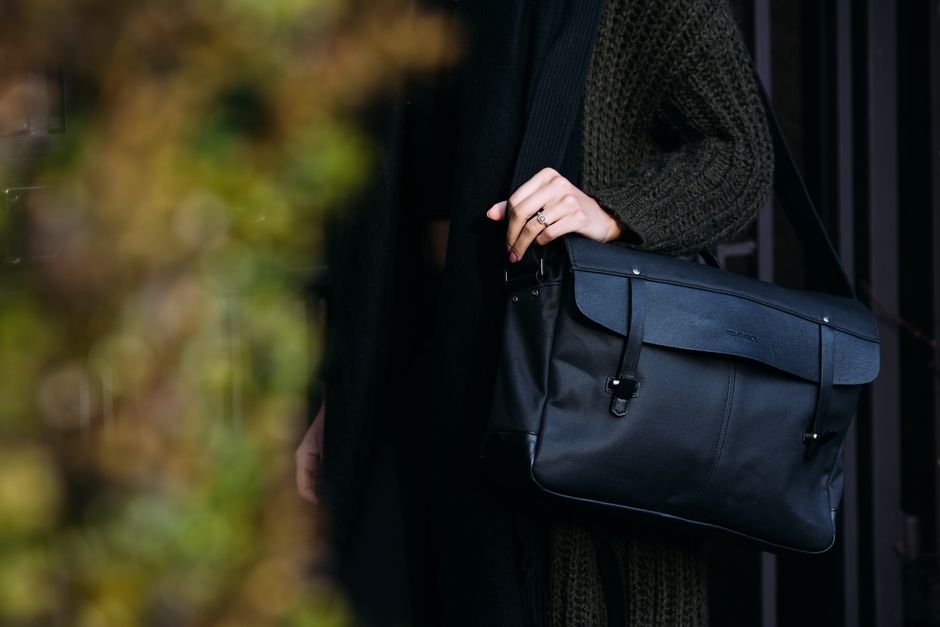
A Messenger Bag is a single-strap bag worn across the body, typically on one shoulder. Originating as a cyclist’s commuter bag, its design offers quick access and a casual, urban look. Messenger bags vary widely in size and style, from minimalist formats to larger organizer versions.
Key Features
Single adjustable shoulder strap
Large front flap for access
Interior pockets for organization
Easy one-handed retrieval
3. Comfort & Wearability
Backpack
Superior comfort for heavier loads.
Even weight distribution reduces strain on shoulders and back.
Great for walking long distances or all-day wear.
Two straps provide stability and balance.
Messenger Bag
Easy on/off with one hand ideal for commuters.
Can become uncomfortable if overloaded.
Weight is concentrated on one shoulder.
Better suited for shorter durations.
Winner (Comfort): Backpack
4. Organization & Storage
Backpack
Multiple dedicated pockets for accessories.
Better for tech (laptops, tablets, chargers).
Easier to organize small tools without searching.
Messenger Bag
Simpler layout usually fewer compartments.
Quick access to main pocket.
Can become cluttered if not structured.
Winner (Organization): Backpack
5. Accessibility & Convenience
Backpack
Requires both straps to be removed or loosened for full access.
Quick grab small items from side/front pockets if designed well.
Messenger Bag
Easy access while wearing lift the flap and grab.
Especially handy in transit (bus, train, bike).
No need to set down to retrieve items.
Winner (Accessibility): Messenger Bag
6. Style & Aesthetics
Backpack
Casual and practical look.
Many designs lean outdoor or tech-oriented.
Available in minimalist and professional styles too.
Messenger Bag
Classic urban and business casual style.
Often looks more fashionable in streetwear or office environments.
Blends easily with smart casual outfits.
Winner (Style): Messenger Bag (subjective)
7. Security Considerations
Backpack
Can be safer in crowds zippers and pockets are closer to your body.
Hidden compartments add security.
Messenger Bag
Slung at the side easier for opportunistic pickpockets.
Front flap may offer less secure zippers if not designed well.
Winner (Security): Backpack
8. Best Uses for Each Bag
Best for EDC Backpack
Students carrying laptops, books, gear
City workers and remote professionals
Travelers wanting compact carry-on
Anyone who values organization and comfort
Best for Messenger Bag
Bike commuters
Minimalists who carry light
Urban professionals on short trips
People who prioritize quick access
Costs & Budgeting
When choosing between an EDC backpack and a messenger bag, consider the price range for each option. EDC backpacks typically range from $40 to $200, while messenger bags can vary from $30 to $150. Higher-quality backpacks may justify a greater price due to durability and features, but budget-friendly options exist for both.
Determine your essential needs before spending. If you require something basic, you may find an affordable backpack or messenger bag that meets your needs. Investing in a high-end option is wise if you plan to use it daily for years.
Maintenance Tips for Longevity
Proper maintenance is crucial for prolonging the lifespan of either bag. Start with cleaning; spot-clean your backpack or messenger bag with mild soap and a damp cloth. For deeper cleaning, check the manufacturer’s guidelines. Some bags are washable while others require professional care.
Avoid overloading either bag. Overstuffing can strain seams and fasteners, leading to premature wear. Regularly inspect straps and zippers for damage. Repair minor issues early to prevent bigger problems later.
Who Each Option Suits Best
Deciding whether an EDC backpack or messenger bag is right for you depends on your lifestyle. If you often transport bulky items, like books or laptops, a backpack provides the needed space and support. On the other hand, if you frequently visit urban environments and prefer quick access to essentials, a messenger bag offers easy access with a stylish flair.
Think about your transport method too. EDC backpacks distribute weight evenly, making them ideal for biking or walking. In contrast, messenger bags are a great choice for professionals who commute on public transit and want a refined appearance.
For a deeper look, see Carryology's guide.
9. Pros & Cons Summary
EDC Backpack
Pros
Comfortable for long wear
Great organization
Ideal for tech and heavier loads
ConsSlightly less convenient for instant access
Can feel bulky in tight spaces
Messenger Bag
Pros
Fast access to gear
Stylish and versatile
Easy on/off
ConsUneven weight distribution
Limited organization
Can be less secure
10. Which Is More Practical?
The “more practical” bag depends on your daily needs:
If you carry multiple items, tech gear, or need better support → EDC Backpack is more practical.
If you carry lighter loads and value quick access + style → Messenger Bag may be your choice.
Conclusion
There’s no absolute winner each bag shines in different scenarios. Many people even choose both: a backpack for heavier days and a messenger bag for lighter commutes.
Ask yourself:
How much do you carry daily?
Do you walk or bike long distances?
Do you need quick access?
What style fits your routine?
Your answers will guide you to the right choice.
If you want, I can also recommend specific backpack and messenger bag models based on your needs and budget.