
When preparing for a trip to cold or unpredictable climates, choosing the right outerwear is essential. Among the most popular options are down jackets and synthetic jackets. Both provide insulation and warmth, but they differ significantly in materials, performance, durability, and cost. Understanding these differences can help travelers select the jacket that best suits their needs.
This article explores the key differences between down and synthetic jackets, their advantages and disadvantages, and which type is better suited for different travel situations.

What Is a Down Jacket?
A down jacket is insulated with the soft under-feathers found beneath the outer feathers of ducks or geese. These tiny clusters create pockets of air that trap heat and provide excellent insulation.
Down insulation is measured by fill power, which indicates how fluffy the down is and how much warmth it can provide. Higher fill power generally means better insulation with less weight.
Advantages of Down Jackets
1. Superior Warmth-to-Weight Ratio
Down jackets are extremely warm for their weight. They trap heat efficiently, making them ideal for very cold environments.
2. Highly Compressible
Down jackets compress easily and pack down into small spaces. This makes them perfect for travelers who want to save luggage space.
3. Long Lifespan
With proper care, a quality down jacket can last many years without losing much insulation performance.
4. Comfortable and Lightweight
Down jackets feel light and soft, providing excellent comfort during long trips or outdoor activities.
Disadvantages of Down Jackets
1. Poor Performance When Wet
Down loses its insulating ability when it gets wet because the feathers clump together. Although many modern jackets use water-resistant down, heavy moisture can still reduce warmth.
2. Higher Cost
High-quality down jackets tend to be more expensive than synthetic alternatives.
3. Requires Careful Maintenance
Cleaning and drying down jackets requires special attention to avoid damaging the insulation.
What Is a Synthetic Jacket?
Synthetic jackets use man-made insulation materials, usually polyester fibers designed to mimic the structure of natural down. These fibers create air pockets that trap warmth.
Common synthetic insulation types include PrimaLoft, Thinsulate, and Coreloft.
Advantages of Synthetic Jackets
1. Better Performance in Wet Conditions
Synthetic insulation retains warmth even when wet. This makes synthetic jackets ideal for rainy, humid, or snowy climates.
2. Easier to Maintain
Synthetic jackets are generally easier to wash and dry compared to down jackets.
3. More Affordable
They are usually less expensive, making them a good option for travelers on a budget.
4. Durable for Active Use
Synthetic insulation can handle repeated compression and rough use better than down in some situations.
Disadvantages of Synthetic Jackets
1. Heavier and Bulkier
Synthetic jackets are typically heavier and less compressible than down jackets.
2. Shorter Lifespan
Over time, synthetic fibers can break down and lose their insulating ability.
3. Slightly Less Warm
For the same weight, synthetic insulation generally provides less warmth than high-quality down.
Key Differences Between Down and Synthetic Jackets
| Feature | Down Jacket | Synthetic Jacket |
|---|---|---|
| Warmth | Very warm for weight | Good but usually less warm |
| Weight | Very lightweight | Slightly heavier |
| Packability | Highly compressible | Bulkier |
| Wet Weather Performance | Poor unless treated | Performs well when wet |
| Cost | Usually more expensive | More affordable |
| Durability | Long lifespan with care | Fibers degrade faster |
Which Jacket Is Better for Travel?
The best jacket for travel depends largely on where you are going and what activities you plan to do.
Choose a Down Jacket If:
You are traveling to very cold and dry climates.
You need maximum warmth with minimal weight.
You want a jacket that packs very small in luggage.
Your trip involves cities, winter sightseeing, or dry mountain environments.
Choose a Synthetic Jacket If:
You expect rain, snow, or humid weather.
Your travel includes hiking, outdoor adventures, or unpredictable conditions.
You want something affordable and low-maintenance.
You prefer a jacket that still insulates when wet.
Hybrid Jackets: A Middle Ground
Some modern jackets combine down and synthetic insulation. For example, down may be used in the body for warmth while synthetic insulation is placed in areas prone to moisture, such as the shoulders or cuffs.
These hybrid designs aim to provide the warmth of down with the moisture resistance of synthetic materials.
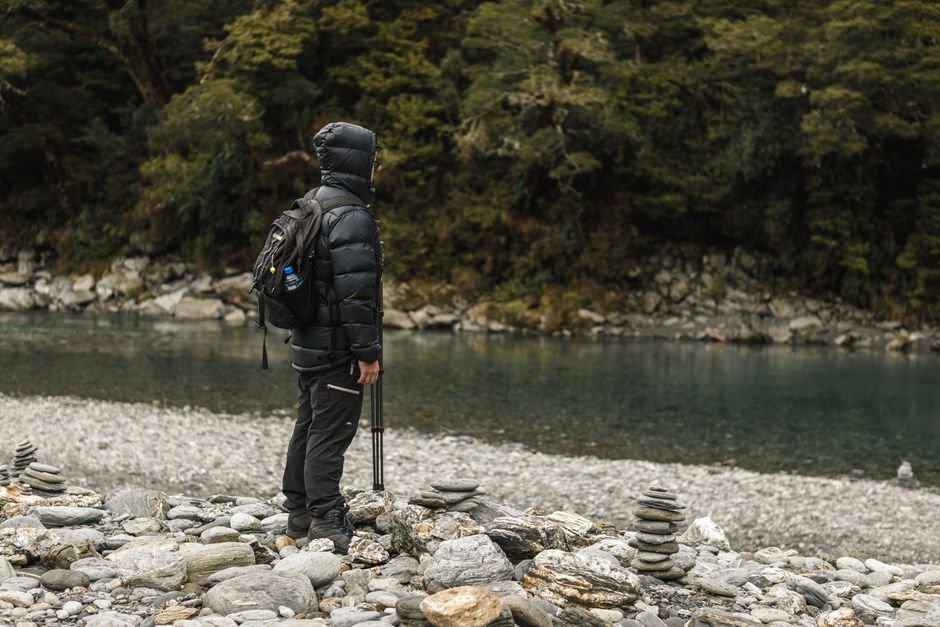
Tips for Choosing the Right Travel Jacket
When selecting a jacket for travel, consider the following factors:
1. Climate
Research the typical temperature, rainfall, and humidity at your destination.
2. Packing Space
If you are traveling with limited luggage, packability becomes very important.
3. Activity Level
High-activity trips may benefit from breathable synthetic insulation.
4. Budget
Down jackets can be expensive, while synthetic jackets offer good performance at lower prices.
5. Layering
A lighter jacket that works well with base layers and mid-layers can provide greater flexibility.
For a deeper look, see Ukhillwalking's guide.
Conclusion
Both down jackets and synthetic jackets are excellent choices for travel, but they excel in different conditions. Down jackets provide exceptional warmth, lightweight comfort, and compact packability, making them perfect for cold, dry destinations. Synthetic jackets, on the other hand, perform better in wet weather and require less maintenance, making them ideal for unpredictable climates and active travel.
Ultimately, the best travel jacket is the one that matches your destination, weather conditions, and personal travel style. By understanding the strengths and weaknesses of each option, travelers can make a smart choice and stay warm and comfortable wherever their journey takes them.