
Why does my camping stove keep going out? This issue often stems from low fuel levels, particularly if the canister is nearly empty or not correctly connected, leading to inconsistent gas flow. Understanding these causes and ensuring proper maintenance can help prevent interruptions during your outdoor cooking adventures.
Common culprits for a flickering flame include insufficient fuel supply and clogged burners. Let’s explore these issues more closely, along with additional factors that could cause your stove to fail.

Top Reasons Your Camping Stove Goes Out
The first aspect to investigate is the fuel supply. Surprisingly, around 30% of campers misjudge their fuel levels, thinking there’s enough gas when the canister is nearly empty. Always check your fuel canister before each trip to avoid running out midway through meal prep.
Another frequent issue is clogged burners. Residue and debris can build up in the burner jets, impeding fuel flow and causing an inconsistent flame. Regularly cleaning the burners after trips is crucial for ensuring smooth operation when you’re back outdoors.
How Wind Can Disrupt Cooking
Wind can pose a significant challenge while cooking outdoors, easily snuffing out your stove’s flame. Using a windscreen is an effective solution, as it acts as a barrier, helping to maintain a steady flame even in breezy conditions. Investing in a quality windscreen can make a noticeable difference, particularly in open areas.
Camping in windy locations without a windscreen could lead to constant flame extinguishing and prolonged cooking times, which disrupts your entire meal preparation. Being prepared with the right gear is essential for any camping trip.
Fuel Canister Compatibility and Pressure
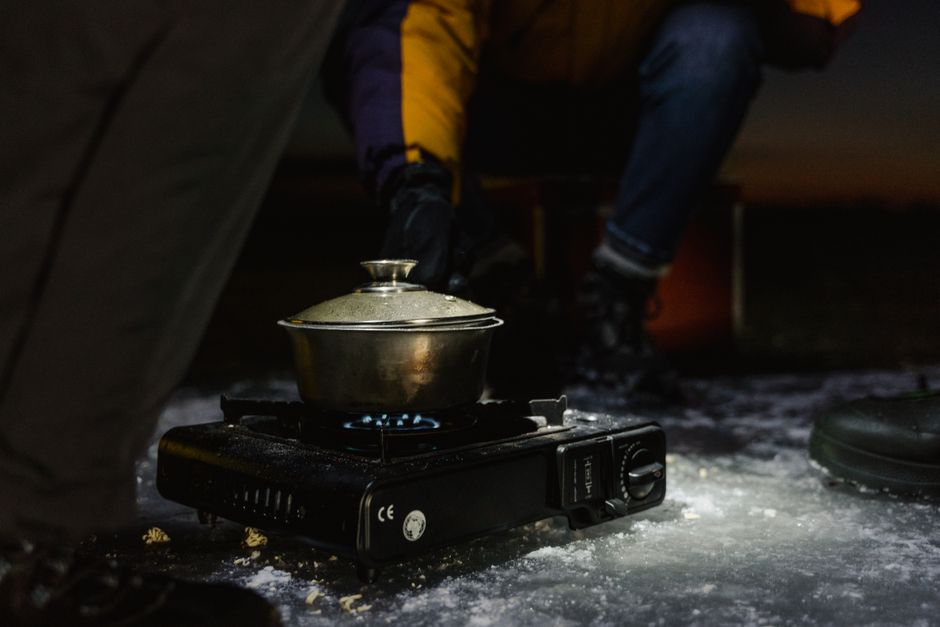
Fuel canister pressure plays a key role in your stove’s efficiency. Compatibility is crucial; not all canisters work with every stove model. Low pressure in the canister, especially in cold weather where pressure can drop by 30%, makes it difficult for fuel to ignite and remain lit.
Choosing the right fuel for your stove is vital. For colder excursions, storing fuel in an insulated bag can help maintain pressure levels, resulting in a more consistent flame during cooking.
Importance of Regular Maintenance
Regular maintenance is essential for the longevity of your camping stove. Clean burners and regularly inspect hoses for leaks; even a minor crack can lead to significant fuel loss. Conducting an inspection after each camping season ensures everything remains in working order.
Additionally, testing your stove at home before you head out can save time and stress. Check for consistent flame and easy ignition to ensure reliable performance in the field.
Expert Tips for Reliable Outdoor Cooking
To enhance your outdoor cooking experience, pack several essentials: extra fuel canisters and a compact cleaning kit. Items like pipe cleaners and brushes are effective for maintaining clean burners, preventing clogs.
Familiarizing yourself with your stove’s specifications allows you to anticipate its performance at different temperatures and altitudes. For example, cooking at high elevations means adjusting cooking times due to lower boiling points, an important factor to consider when planning meals.
Avoid These Common Mistakes
Common mistakes that contribute to camping stove failures often stem from overlooking fuel levels, which can lead to unexpected outages. Many campers assume sufficient fuel is packed without verification. Neglecting to maintain cleanliness or disregarding weather conditions can also lead to disappointing experiences.
Always use a windscreen and consider the campsite’s location, aiming for more wind-protected areas whenever possible to ensure a smoother cooking experience.
Your Camping Stove’s Success Depends on Preparation
Keeping your camping stove operational relies heavily on understanding and addressing its potential pitfalls. Checking fuel compatibility, maintaining cleanliness, and preparing for environmental factors can drastically improve your outdoor cooking experience.
If you’re tired of experiencing interruptions during cooking, take time to troubleshoot these common issues. By being proactive, you can enjoy your outdoor cooking adventures without unnecessary hassles.
Frequently Asked Questions
Why does my camping stove keep turning off?
Your camping stove may keep turning off due to issues with fuel supply, such as low pressure or an empty fuel tank. Additionally, blockages in the fuel line or burner can prevent consistent flow and keep the stove from staying lit.
How can I fix a camping stove that won't stay lit?
To fix a camping stove that won't stay lit, start by checking the fuel source to ensure it is full and connections are secure. Clean the burner and fuel lines to remove any obstructions, and make sure the stove is set up on a stable, level surface to prevent fuel uneven distribution.
What causes a camping stove flame to go out?
A camping stove flame can go out due to insufficient fuel supply, blockages in the burner, or improper airflow. Environmental factors, such as wind or rain, can also extinguish the flame if the stove is not adequately shielded.
Is wind affecting my camping stove performance?
Yes, wind can significantly affect a camping stove's performance by disrupting the flame and causing it to blow out. Using windshields or positioning the stove in a sheltered area can help maintain a steady flame in windy conditions.
Can low fuel cause my camping stove to go out?
Absolutely, low fuel can lead to an insufficient flow of gas, causing the flame to flicker or go out completely. Ensure that your fuel canister is adequately filled and check for any signs of leaks or blockages.