
To select a backpack for hiking, prioritize comfort, which is crucial for long treks; a well-fitted backpack should ideally weigh no more than 20% of your body weight to prevent discomfort. Look for a model that offers sufficient capacity and convenient access to essential gear, as neglecting these factors can lead to back pain or difficulty retrieving items when needed.
To avoid common pitfalls, you need to understand the key features of a great hiking backpack. This guide walks you through everything you need to consider for a successful selection.

Get the Right Fit and Size
A proper fit is the foundation of choosing a hiking backpack. The pack’s size should align with your torso length, not just your overall height, as a mismatch can lead to discomfort on the trail. For an accurate fit, try on packs loaded with weight, around 10% of your body weight or what you plan to carry during your hike.
This will allow you to assess how the weight distributes across your body.
Next, consider the pack’s capacity, typically measured in liters. For day hikes, a size between 30-50 liters generally works well, while multi-day excursions may require 50-70 liters. Selecting a pack with expandable capacity is wise, as it allows you to carry extra essentials without feeling restricted.
Assess Material Quality and Durability
The materials of a backpack are indicators of its durability. Popular options include nylon and polyester, with nylon being lighter and stronger, ideal for rugged terrains and variable weather conditions. While heavier materials can endure rough handling, they may also add unnecessary weight to your load.
Additionally, consider the fabric’s water-resistant properties. If hiking in wet conditions, opt for a backpack with waterproof coatings or a rain cover to protect your gear and extend the pack’s lifespan.
Focus on Weight Distribution and Comfort
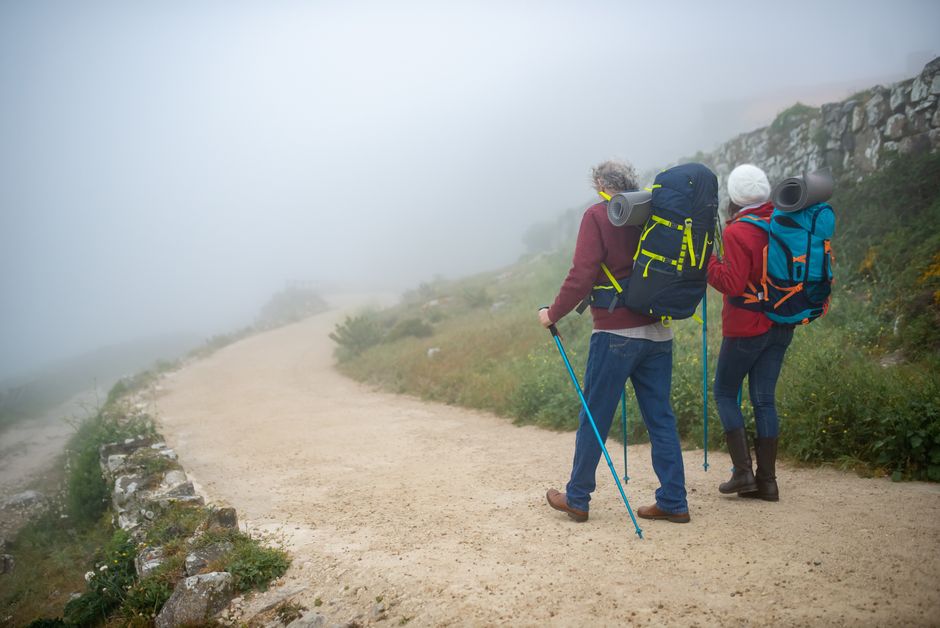
Effective weight distribution is crucial for comfort on long hikes. A well-designed backpack will evenly spread the load across your shoulders and hips to minimize back strain. Look for padded hip belts and adjustable shoulder straps, as these features help transfer weight to your hips, providing relief for your back.
Examine the pack’s frame as well. Internal frames offer support while remaining lightweight, while external frames are bulkier but often provide more capacity. Personal preference and the nature of your hiking will dictate your choice. Always test the pack with weight before purchasing to ensure it sits comfortably against your back.
Ensure Accessibility and Organization
Quick access to your essentials can streamline your hiking experience. Look for backpacks with side pockets, front access zippers, and hip belt compartments, these features allow easy hydration and snack breaks. Packs designed for hydration reservoirs also provide convenient access while on the move.
Organizational features should not be overlooked. Multiple compartments help keep larger items separate from smaller necessities, like a first aid kit or snacks, reducing the chaos of rummaging through your pack.
Test Before You Commit
While in-store testing is critical, it shouldn’t end there. Walk around with the backpack loaded to mimic what you’ll carry on hikes. Some retailers offer a trial policy that allows you to test the pack on a short hike, take advantage of this to ensure you’re making the right choice.
Gather Insights from Recommendations and Reviews
Leverage the experiences of fellow hikers and outdoor enthusiasts. Engaging with reputable outdoor websites and forums can yield valuable insights into pack performance and comfort. Look for reviews that reflect real-world use and durability over time, as they can help you identify brands with solid reputations.
Consider both positive and negative feedback to form a well-rounded view of potential backpacks. Recommendations often lead to great discoveries, particularly for models that accommodate gear like stoves or other camping necessities, such as in this comprehensive guide on 7 Camping Stoves for Backpackers.
The Verdict: Choose Comfort and Functionality Over Fashion
When selecting a hiking backpack, prioritize comfort and functionality above trendy designs. The best backpack is one that fits well and meets your unique needs. Essential features like weight distribution, durability, and accessibility will enhance your experience on the trail.
If you’re committed to hiking, investing more upfront in a quality pack will pay dividends in comfort and enjoyment. Choose wisely, and your back will express its gratitude on every adventure.
Our write-up on camping stove for hiking picks up where this leaves off.
There is more on best hiking elsewhere on the site.
Frequently Asked Questions
What size backpack do I need for a day hike?
For a day hike, a backpack size between 15 to 30 liters is typically sufficient. This size allows enough space for essentials such as water, snacks, a first-aid kit, and an extra layer of clothing.
How does backpack weight affect hiking?
Backpack weight significantly impacts your hiking experience, as carrying a heavier load can lead to fatigue and increased strain on your joints and muscles. It’s advisable to keep your pack as light as possible while ensuring you have all necessary gear for safety and comfort.
Why is backpack fit important for hiking?
A proper fit is crucial for comfort and stability while hiking; a well-fitting backpack ensures even weight distribution and reduces the risk of chafing or injury. It allows for better movement and balance, enhancing your overall hiking experience.
Can a hiking backpack be used for travel?
Yes, many hiking backpacks are versatile enough to be used for travel, especially those with a top-loading design and organizational compartments. Look for features like a laptop sleeve, external pockets, and the ability to secure the backpack, which make it more suitable for travel.
What materials are best for hiking backpacks?
The best materials for hiking backpacks include nylon or polyester with a ripstop weave for durability and water resistance. Additionally, look for backpacks with waterproof coatings or materials like Gore-Tex for enhanced weather protection.