
The best camping cooking techniques involve planning meals that require minimal ingredients and can be prepared in under 30 minutes, ensuring a smooth experience even in the great outdoors. Managing time and ingredient freshness is essential for family trips, so knowing how to effectively cook over a small campsite or open fire can transform mealtime into a delightful part of your adventure.
In this list, I’ll share my favorite camping cooking techniques that cater to families. Each method brings something unique to the table, making meal prep simple and tasty, ensuring you spend more time enjoying the outdoors and less time worrying about dinner.

1. Dutch Oven Cooking
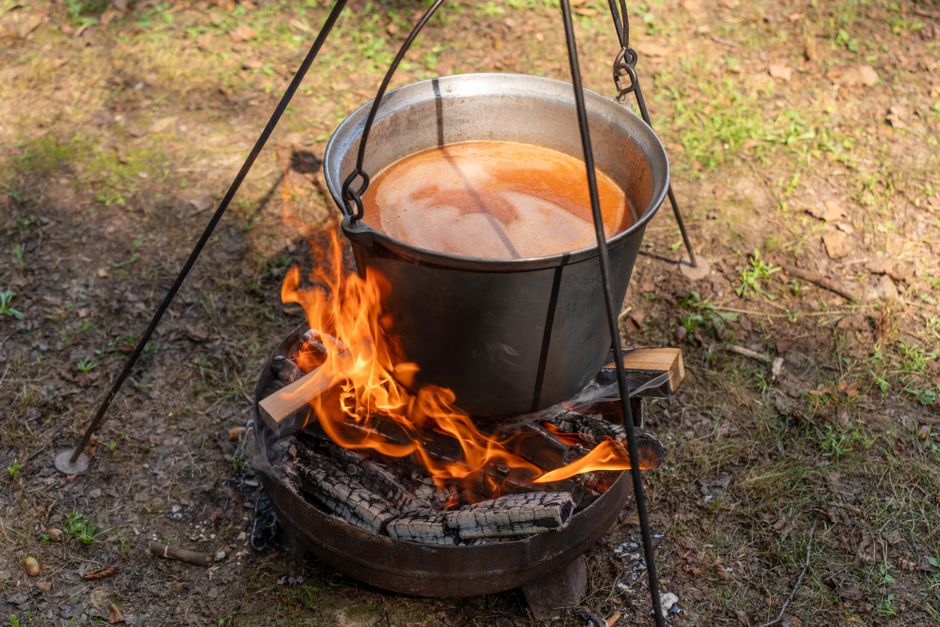
Using a Dutch oven over an open flame can produce some of the most flavorful dishes straight from your campfire. Meals like stews and casseroles simmer beautifully in this versatile pot, allowing flavors to meld and develop while you relax under the stars.
Time 60 minutes | Serves 6 | Difficulty Medium
Key ingredients: meat, potatoes, carrots, onion, seasoning, broth
Tip: Pre-cook your meat at home and vacuum seal it for easy packing and quicker cooking at the campsite.
2. Foil Packet Meals
Foil packets are a hassle-free way to cook meals with minimal cleanup. You can toss in your choice of protein, veggies, and seasonings, wrap them up tightly, and cook them over the fire or on a grilling grate.
Time 30 minutes | Serves 4 | Difficulty Easy
Key ingredients: shrimp or chicken, bell peppers, zucchini, olive oil, garlic, herbs
Tip: Prepare the packets at home using heavy-duty foil, so they’re ready to throw on the fire when you arrive.
3. Portable Stove Cooking
A portable stove can radically change your camping kitchen setup. It allows for precise heat control that you’d miss while cooking over an open flame, making it ideal for breakfast items like pancakes and eggs.
Time 20 minutes | Serves 4 | Difficulty Easy
Key ingredients: eggs, flour, baking powder, milk, syrup, butter
Tip: Invest in a two-burner model, which gives you flexibility to cook multiple items simultaneously.
4. One-Pot Pasta Dishes
One-pot pasta dishes are a game-changer when cooking in the wild. You combine all ingredients in a single pot, allowing the pasta to absorb flavors while cooking. It’s filling and satisfying for hungry campers.
Time 30 minutes | Serves 4 | Difficulty Easy
Key ingredients: pasta, canned tomatoes, garlic, spinach, olive oil, cheese
Tip: Use whole grain pasta for a healthier option that holds up well in the cooking process.
5. Campfire Skewers
Campfire skewer meals are fun and interactive, perfect for families. You can grill almost anything on a skewer, from veggies to meats, making for a customizable dining experience.
Time 30 minutes | Serves 4 | Difficulty Easy
Key ingredients: chicken or sausage, bell peppers, onion, cherry tomatoes, mushrooms, marinade
Tip: Use metal skewers to avoid burning your hands and for easier grilling.
6. Breakfast Burritos
Start the day off right with breakfast burritos. They’re easy to prepare with scrambled eggs, beans, avocado, and cheese all wrapped up in a tortilla. They’re convenient for feeding a crowd and travel well.
Time 25 minutes | Serves 4 | Difficulty Easy
Key ingredients: eggs, tortillas, black beans, cheese, avocado, salsa
Tip: Wrap them in foil and heat on a grate to make them crispy and warm up the fillings.
7. Grilled Vegetables with Quinoa
This dish is a healthy, protein-packed option that is both filling and nutritious. Charred vegetables paired with nutty quinoa create a satisfying, well-rounded meal that you can easily customize based on what you have available.
Time 40 minutes | Serves 4 | Difficulty Medium
Key ingredients: quinoa, zucchini, bell peppers, corn, olive oil, lemon juice
Tip: Pre-cook the quinoa and bring it in a container to save cooking time at the campsite.
How to Choose
Your choice of cooking technique will depend on how much time you have and the skill level you want to apply to your meals. If you’re short on time and experience, opt for simpler meals like foil packets or portable stove recipes. However, if you want to immerse yourself in the cooking process, Dutch oven meals can be incredibly rewarding.
Also, consider what ingredients you might already have stocked and tailor your meals accordingly. For instance, if you have lots of fresh veggies, grilled vegetable dishes or one-pot pasta are fantastic options to incorporate them.
Related reading: outdoor cooking.
See also our take on stove for car.
Frequently Asked Questions
What are the best camping cooking techniques?
Some of the best camping cooking techniques include one-pot meals, foil packet cooking, and using Dutch ovens. Grilling over an open fire and using portable stoves are also popular methods that enhance flavor and minimize cleanup.
How do you cook efficiently while camping?
To cook efficiently while camping, plan your meals in advance and prepare as much as possible at home, such as chopping vegetables or marinating proteins. Utilizing a camp stove or portable grill can help control cooking times and reduce the risk of burning food.
Can you cook with minimal equipment while camping?
Yes, you can cook with minimal equipment by using items like a campfire grate or a simple portable stove, along with a few essential utensils such as a pot, pan, and spatula. Foil packet meals are also a great option, as they require little more than aluminum foil and basic ingredients.
Why is fire safety important in campfire cooking?
Fire safety is crucial in campfire cooking to prevent wildfires and ensure the safety of campers. Always maintain a safe distance from flammable materials, keep a bucket of water or sand nearby for emergencies, and fully extinguish the fire after cooking to avoid accidental ignition.
What is the best method for campfire cooking?
The best method for campfire cooking often depends on the type of meal, but general favorite techniques include using a grill grate to cook meats and vegetables over direct flames, or utilizing cast iron cookware for even heat distribution. For simplicity, foil packet meals offer a no-mess solution that allows flavors to blend while cooking directly in the coals.