
Choosing the right food for backpacking can make or break your adventure, so it’s crucial to pack smart. On multi-day trips, I always aim for a delicate balance between nutrition, calorie count, and weight. Fortunately, you can achieve this without feeling overwhelmed or sacrificing flavor.
Through countless trips and a fair amount of trial and error, I’ve honed my food selection skills. Whether you’re hiking lightly or tackling a strenuous trail, understanding how to choose food for backpacking is essential. Let’s break down the key elements to consider as you plan your next backpacking meal strategy.
Estimating Caloric Needs for Hiking
Your caloric needs on the trail can skyrocket compared to your regular daily intake. On average, most people burn between 3,000 to 5,000 calories per day while backpacking, depending on their body size and the intensity of the hike. For instance, a 150-pound person might need around 4,000 calories on a challenging hike, whereas someone weighing 200 pounds could need upwards of 4,800 calories.
I suggest calculating your daily caloric needs using this rule of thumb: multiply your body weight by 15-20 calories per pound for hiking. This figure provides a baseline but consider adjusting it based on the specificity of your trip. Personal experience taught me to overestimate my needs a bit; running low on energy is never a fun experience.
Selecting Lightweight and Nutritious Foods
I often gravitate toward dehydrated meals; they pack light and offer decent nutrition. Freeze-dried options are convenient because they weigh about 75% less than their fresh counterparts. For example, a 1.5-ounce serving of freeze-dried scrambled eggs contains 13 grams of protein and around 180 calories, all while taking up minimal space in your pack.
For snacks, consider combining energy-dense options to keep things interesting. I love packing trail mixes with nuts, dried fruits, and maybe some chocolate for a quick pick-me-up. Aim for snacks around 100-250 calories per serving to maintain energy levels on more energetic days.
Meal Planning for Trips
Efficient meal planning can save a lot of hassle. I always create a detailed menu that includes a breakdown of breakfast, lunch, dinner, and snacks for each day of my trip. This helps me avoid overpacking or missing essential items. For a week-long camping trip, I generally stick to two main meals and one substantial snack daily.
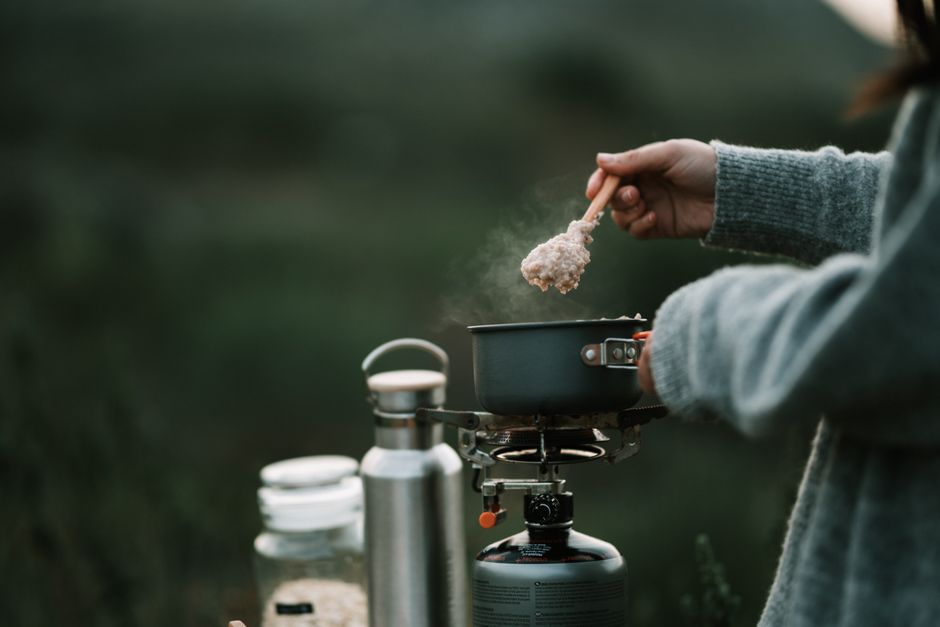
A sample meal plan might consist of oatmeal for breakfast, a hearty wrap for lunch, and a dehydrated entrée for dinner.
Another vital step is to pre-portion meals to avoid bringing excess food. Realistically assess what you can consume each day while ensuring you meet your caloric goals. An efficient packing strategy ensures every ounce counts, every packable item should serve a purpose.
Food Storage for Backpacking
Keep your food fresh without refrigeration by packing and storing it smartly. I recommend using resealable bags for hydration and moisture control; they weigh less than containers and collapse as you eat through your food. Invest in a reliable bear canister if you’ll be in bear country; it provides essential protection while also serving to keep your food secure from pests.
Consider vacuum-sealing your meals to extend their shelf life and minimize odors that might attract unwanted visitors. A vacuum sealer can help you pre-pack your meals efficiently, essentially customizing everything based on your caloric needs and preferences. However, I do avoid overly complex meals while hiking; simplicity is key on the trail.
Common Mistakes to Avoid
As a passionate outdoorswoman, I’ve seen many fellow hikers fall into pitfalls when selecting food for backpacking. One prevalent mistake is overpacking. This stems from wanting to cover all bases; however, the extra weight drains energy. Focus on quality over quantity; high-calorie, lightweight foods are always better than a plethora of lesser-quality options.
Another common oversight is failing to consider individual dietary restrictions. Always pack food that accommodates your needs, especially if you have allergies or intolerances. Opting for a variety of food options ensures that you’ll have enough to satisfy differing preferences and keeps morale high in the backcountry.
Choosing Your Favorite Brands and Products
Once you outline your meal plan, it’s time to get specific about brands and products. I’ve found that some brands excel at providing great taste and nutrition while keeping weight in check. For instance, brands like Mountain House offer a variety of flavorful, quick meals ideal for camping. Their offerings come in convenient pouches that only require hot water.
I also recommend checking out Backcountry for more options and outdoor-specific brands.
Ultimately, the best choice depends on personal taste, what works for you may not work for someone else. So, don’t shy away from experimenting with different items on short trips before committing to a longer journey.
The One Thing Worth Paying For
In my opinion, investing in good-quality dehydrated meals is essential for any serious backpacker. While they may seem pricier than basic groceries, their convenience, shelf stability, and lightweight profile justify the investment. It’s worth considering that you may pay $8-$12 for a meal, but the trade-off is saving pack weight and time once on the trail.
Convenience becomes invaluable when you’re tired after hiking all day.
Ultimately, make smart purchases. I always check the nutritional information to ensure I’m getting enough calories and protein, just because it’s lightweight doesn’t mean it can skimp on value.
Your Trail Food Checklist
Before you head out, consider this checklist of items to remember:
- High-calorie dehydrated meals
- Snacks (trail mix, energy bars, jerky)
- Hydration supplies (water treatment or filtration system)
- Resealable bags or vacuum-sealed meals
- Bear canister or storage alternatives
- Cooking gear (if necessary)
Preparation is half the battle. By taking the time to choose suitable foods and packing wisely, you’re setting yourself up for a successful and enjoyable backpacking adventure.
There is more on best camping elsewhere on the site.
See also our take on roll clothes for packing.
Frequently Asked Questions
What is the best food for backpacking trips?
The best food for backpacking trips includes lightweight, high-calorie options that provide good nutrition, such as dehydrated meals, energy bars, nuts, and dried fruits. These foods are easy to pack, require minimal preparation, and help maintain energy levels during the hike.
How do I pack food for a long hike?
To pack food for a long hike, use resealable plastic bags or lightweight containers to portion out meals and snacks. Organize foods by type and keep heavier items at the bottom of your pack to maintain balance, while also ensuring easy access to high-energy snacks.
What are lightweight meals for backpacking?
Lightweight meals for backpacking typically include freeze-dried or dehydrated options like pasta, rice dishes, or bean meals, which can be easily reconstituted with hot water. Instant oatmeal, couscous, and various pre-packaged camping meals are also good choices.
How can I keep food fresh while hiking?
To keep food fresh while hiking, use insulated containers for perishables and store them in a cool, shaded spot in your backpack. Additionally, incorporating vacuum-sealed or dehydrated foods can help preserve freshness without the need for refrigeration.
Is it necessary to carry cooking equipment?
Carrying cooking equipment is not strictly necessary, especially if you opt for no-cook meals like energy bars or trail mix. However, if you prefer hot meals or need to prepare dried foods, a lightweight stove and pot can enhance your cooking options and provide more meal variety.