
To keep pets safe while cooking outdoors, establish a minimum 10-foot boundary around your cooking area to prevent them from accessing hot surfaces and enticing food. This distance minimizes the risk of burns and the chance of them snatching food. Implementing these safety measures ensures a worry-free outdoor cooking experience while protecting your furry friends.
Pets often find themselves in dangerous situations, especially near sizzling barbecues or campfires. To reduce the risk of burns or other injuries, implementing some key strategies is vital to provide a safe environment for your furry friends.
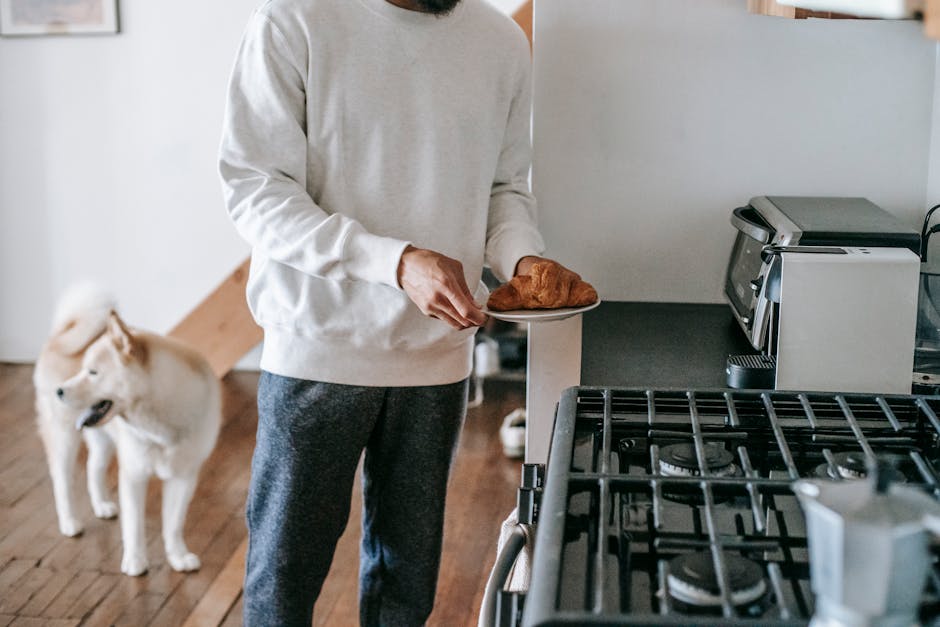
Establish Boundaries Around Cooking Areas
The first step in protecting your pets involves physically keeping them away from the cooking area. Using barriers, such as portable fences or baby gatescan effectively secure the area. Observing your pets’ reactions will help you see that they can learn these boundaries quickly, especially if they consistently encounter the same restrictions.
If your pets are persistent, consider leashing them or placing them in a separate area. This method reduces your distractions while cooking and keeps your pets out of harm’s way, as they quickly adapt to understanding their limits.
Secure Food From Prying Paws
Outdoor cooking can tempt even the most well-behaved pets to scavenge. To mitigate this risk, keep food and utensils out of reach and ensure all containers are securely closed. Dropping food items from your prep table can lead to incidents, so remain vigilant.
Additionally, having a designated area with safe treats for your pets can keep them entertained. This will not only help prevent theft of your meal but also redirect their attention with toys or chews for added distraction during cooking.
Manage Smoke Exposure
Grilling and campfires generate smoke that can irritate pets. If your dog or cat shows signs of anxiety, like excessive barking or hiding when you start cooking, it indicates a need for a calmer environment. Providing a safe, smoke-free zone for them is crucial.
Setting up a shaded area with their favorite blankets or toys can help alleviate stress. Even if they seem calm, monitor their proximity to smoke and noise, as pets can often feel overwhelmed without obvious signs.
Consider Weather Conditions
Weather can significantly impact your outdoor cooking experience and your pets’ safety. Ensure they have access to shade, especially on hot days, as heat exhaustion can lead to serious health risks. Hydration is critical for pets with thick fur, who are more susceptible to overheating.
In rain, provide a dry spot for your pets away from the cooking area. Using a portable pet tent can be an excellent way to protect them from adverse weather while keeping them comfortable.
Utilize Command Training for Safety
Training is essential for ensuring pets behave safely around cooking activities. Commands like “stay,” “leave it,” and “go to your spot” can help prevent accidents. Practice these commands in a calm environment before incorporating them into your outdoor cooking routine.
Consistent reinforcement through treats or praise will help your pets understand when to be cautious, greatly enhancing their response during meal prep.
Maintain Close Supervision
Vigilance is key. Pets may act unpredictably, especially around food, so monitor their behavior continuously. Stay aware of their movements, and if they approach danger or show stress, redirect their attention immediately with toys or by taking them for a walk.
Explore Pet-Friendly Cooking Options
To engage your pets safely while cooking, consider using portable electric grills or ovens that allow better heat control. While preparing your own meals, you can create pet-friendly treats, enriching their experience and keeping them included.
Plenty of recipes cater to pets’ dietary needs. This method not only bonds you with your pet but also ensures they stay occupied while you cook.
Your Adaptation Matters
Experience is the best teacher when ensuring pets remain safe while cooking outdoors. Every pet has unique habits and needs, so your understanding of those traits will significantly enhance your approach. Creating a reliable routine, such as consistent barriers or specific pet areas, will lead to safer outdoor cooking experiences.
Verdict: Enjoy Outdoor Cooking Safely with Your Pets
Outdoor cooking can be enjoyable and safe for both you and your pets. By implementing physical barriers, setting clear boundaries, and actively monitoring their behavior, you create a secure environment. Understanding your pets’ habits and needs will facilitate a balance between enjoying your culinary adventures and keeping your furry companions safe.
Our write-up on camping stove picks up where this leaves off.
Frequently Asked Questions
What are some signs my pet is stressed while I’m cooking outdoors?
Signs include pacing, hiding, excessive barking, or trying to escape the area. If you see these behaviors, help your pet find a quieter, safer spot away from the chaos.
How can I create a safe cooking area for my pets?
Using a portable fence, leashing them, or providing barriers can help. Also, establish a separate space for them with their toys and treats to keep them distracted.
Is it safe to have my pet near a campfire while I’m cooking?
No, it’s best to keep pets away from campfires. The heat and smoke can be dangerous, and pets can accidentally get burned or frightened by the noise.
How can I keep my pets occupied while I cook?
Offer them special treats or toys that keep their attention. You can prepare pet-friendly snacks to make them feel included while you cook!