
A cast iron skillet can last a lifetime and costs around $30 to $50, making it a smart investment for campers. Its ability to retain and evenly distribute heat allows for a variety of dishes that elevate basic campfire meals in flavor and quality.
Yet, using a cast iron skillet outdoors comes with its own set of challenges. I quickly learned that the right preparation and technique are critical for success. Whether you’re grilling breakfast over an open flame or sautéing vegetables, the principles of both seasoning your skillet and adapting your cooking methods to a campfire setting are essential. Let’s break it down into practical steps.
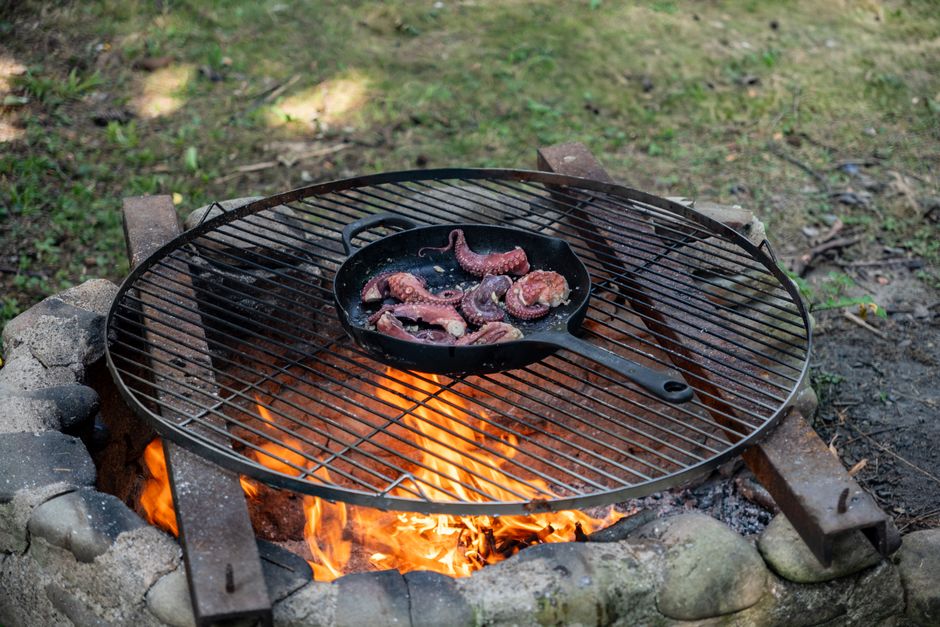
Why You Should Choose Cast Iron for Camping
First off, cast iron cookware is known for its incredible versatility. Unlike non-stick pans, cast iron can withstand the high heat of campfires and still deliver beautifully cooked food. One of the key advantages is that it can go from stovetop to campfire seamlessly. Whether you’re searing meats, frying eggs, or baking cornbread, this skillet does it all.
Additionally, cast iron is almost indestructible. I’ve seen people drop it, knock it around in a backpack, and it just keeps on going. This durability means you don’t have to worry about it breaking like other cookware might. Plus, over time, a well-seasoned skillet develops a natural non-stick surface that only improves with each use.
Preparing Your Cast Iron Skillet Before Camping
Before heading out, it’s crucial to properly season your cast iron skillet. Seasoning serves to create a natural non-stick surface while protecting the skillet from rust. Ideally, you want to do this in advance at home.
Clean the skillet, apply a thin layer of vegetable oil or shortening, and bake it upside down in the oven for about an hour at a high temperature (around 450°F or 232°C). Allow it to cool completely in the oven. This simple process can make a world of difference during your camping trip.
Remember to pack your cast iron skillet wisely. I always wrap it in a cloth or towel to prevent scratches and dings. Also, consider bringing along some oil or butter, which you’ll need for cooking and to re-season your skillet while out in the elements. Having this on hand can help maintain that non-stick finish you worked so hard to create.

Campfire Cooking Tips for Cast Iron Skillets
When you’re ready to cook, there are a few key tips I’d recommend to avoid common pitfalls. First, always preheat your skillet for several minutes before adding food. Place it directly over the coals and give it time to reach the desired temperature.
A good way to test if your skillet is hot enough is to sprinkle water on it, if it beads up and dances, it’s ready.
Another trick is to manage your heat source. Campfires tend to produce uneven heat. Keep the skillet at a slight distance from the flames to avoid burning your food. If you find that one side cooks faster than the other, simply rotate the skillet periodically. Cooking with cast iron is more about patience than heat; ensuring even cooking will make your meals better.
Delicious Outdoor Skillet Recipes
As for what to cook, the options are plentiful. First on my list would be a hearty breakfast scramble. Sauté some diced potatoes, onions, and bell peppers in the skillet, then add beaten eggs to create a filling meal that offers good energy for hiking. You can also incorporate cooked sausage or bacon for added flavor.
For lunch or dinner, an easy one-pan pasta dish is a winner. Start by sautéing garlic and onions, then toss in your choice of pasta, some broth, and veggies like spinach or cherry tomatoes. Simmer until the pasta absorbs the liquid and cooks through. It’s that simple and incredibly satisfying.
If you’re feeling adventurous, you can also bake a dessert in your skillet. A classic option is a cast iron peach cobbler. Layer canned peaches with a simple batter, cover it with foil, and place the skillet over the campfire for a sweet treat under the stars.
Cleaning and Maintaining Your Skillet After Camping
Once your cooking is complete, cleaning a cast iron skillet is crucial but surprisingly simple. Avoid using soap, as it can strip the seasoning. Instead, while the skillet is still warm, rinse it with hot water and use a scraper or cloth to eliminate stubborn bits of food. If needed, a sprinkle of coarse salt can act as an abrasive.
After cleaning, dry it immediately to prevent rust, and reapply a light coat of oil before storing it away.
It’s worth noting that neglecting to maintain your skillet can lead to a diminished cooking surface. Each time you cook, you’re building a layer that makes future meals even better. So, treat this piece of cookware with the care it deserves.
Who Should Use a Cast Iron Skillet While Camping?
If you’re someone who enjoys outdoor cooking and wants versatile, long-lasting cookware, a cast iron skillet is for you. Perfect for those who may be camping for a weekend or even a week, this skillet adapts to different meals and cooking methods.
However, if you’re primarily going for ultra-light packing or quick meals, you might want to skip the skillet and consider lighter portable cooking gear.
For anyone prepared to take the time and effort to use it properly, the benefits far outweigh the minimal extra weight. I often encourage friends who love cooking to invest in a good cast iron skillet. The taste, experience, and durability are invaluable assets for their outdoor adventures.
Final Verdict: Investing in a Camping Cast Iron Skillet
I strongly recommend bringing a cast iron skillet on your next camping trip if you prioritize flavor and cooking quality. For those looking for easy clean-up and lightweight options, non-stick or aluminum cookware might be a better fit.
Worth reading alongside this: eggs while camping.
There is more on cook pasta while camping elsewhere on the site.
Frequently Asked Questions
Can you use a cast iron skillet on open fire?
Yes, you can use a cast iron skillet on an open fire, making it ideal for camping. Just ensure you place it over the embers or coals for even heating.
What meals can you make with a cast iron skillet while camping?
You can prepare a variety of meals such as fried eggs, pancakes, stir-fries, and even one-pan dinners like chili or casseroles. The versatility of a cast iron skillet allows for both cooking and baking.
How do you season a cast iron skillet when outdoors?
To season a cast iron skillet outdoors, clean it with water and a brush, then dry it thoroughly over the fire. Apply a thin layer of cooking oil and place the skillet back over the fire to heat it, allowing the oil to bond to the surface.
Why is cast iron good for camping?
Cast iron is durable and retains heat well, making it perfect for cooking over campfires. Its ability to withstand high temperatures and even heat distribution makes it a reliable choice for outdoor cooking.
How to clean a cast iron skillet at a campsite?
To clean a cast iron skillet at a campsite, rinse it with water and scrub with a brush or coarse cloth to remove food residues. Avoid using soap; instead, dry it over the fire and apply a light coat of oil to keep it seasoned.