
Why does my backpacking tent leak? One common cause is inadequate seam sealing, which affects over 30% of tents on the market today. By understanding the factors contributing to tent leaks, you can enhance your camping experience and ensure a dry, comfortable night outdoors.
Encountering a wet sleeping bag or unexpected puddles inside your tent? You’re not alone. Many backpackers grapple with this dilemma, particularly when faced with inclement weather. This article will clarify why your tent might leak, highlight common pitfalls, and suggest solutions to keep you dry during your outdoor excursions.
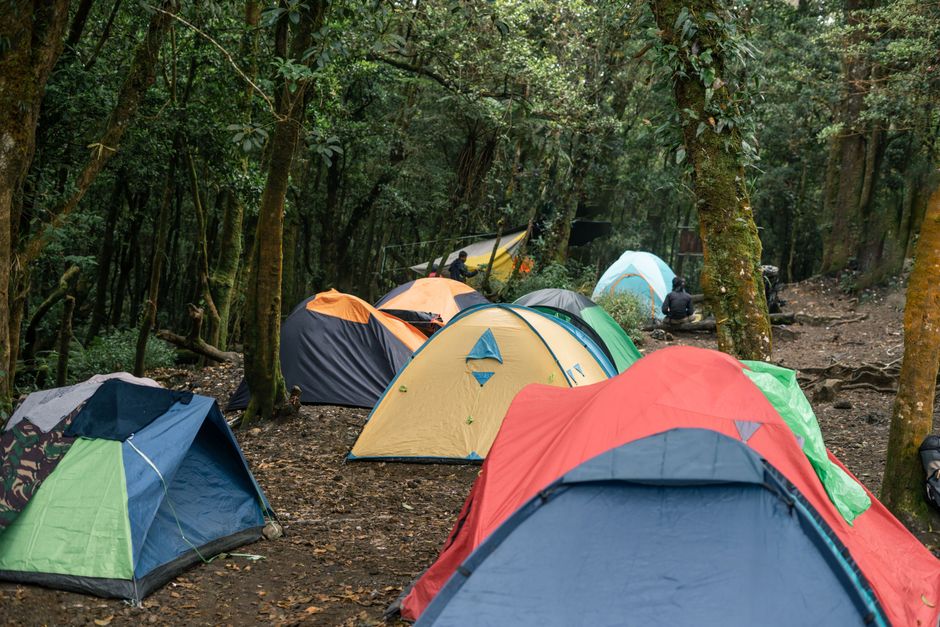
Common Causes of Tent Leaking
Several factors can lead to leaks in your backpacking tent. The main offenders include poorly sealed seams, worn fabric, and condensation. Each issue can result in unwelcome moisture inside your shelter.
Seams are particularly susceptible. Tents are typically stitched, creating tiny holes that can allow water ingress. If these seams are not adequately sealed with a seam sealant or have deteriorated over time, leaks are likely during heavy rainfall. Many manufacturers overlook seams in budget models, heightening the importance of applying seam sealant before trips.
Another common issue stems from the tent fabric itself. Tents are treated during manufacturing to repel water, but this waterproofing can degrade, especially with prolonged sun exposure or improper storage. A tent that hasn’t been correctly maintained may fail when you need it most, so routinely inspect your tent’s fabric and waterproofing before each outing.
Interior Condensation: A Hidden Suspect
While it’s tempting to blame your tent’s waterproofing or seams for leaks, condensation often contributes significantly. When you breathe inside your tent, moisture accumulates, and as temperatures drop, it can condense on the interior, mimicking leaks. This can lead to unnecessary worry on rainy nights.
Preventing condensation requires adequate ventilation. Use your tent’s vents, keep doors slightly open, or employ a footprint for additional airflow. Enhanced ventilation can keep gear dry, especially during damp mornings.
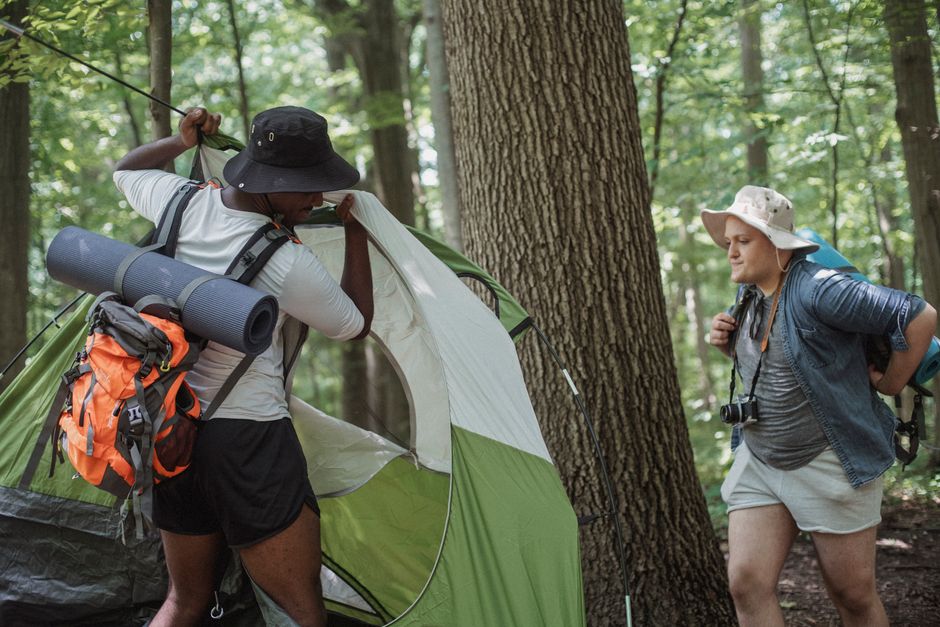
How to Identify Leaking Points in Your Tent
To locate potential leaks, perform a straightforward water test. Set up your tent in a suitable outdoor space and simulate rain using a garden hose. Gradually spray water on various sections, focusing on seams and corners, while someone inside watches for drips. This method effectively pinpoints unsealed seams or worn waterproof areas.
Also, inspect your tent for wear, such as damaged patches or significant UV degradation. If you find any damage, attending to it with a patch kit or seam sealant can be incredibly beneficial. Consistent care of your tent can prevent future leaks, making these checks crucial.
Effective Solutions to Prevent Tent Leaks
Preventing leaks revolves around proper preparation and maintenance. First, store your tent in a cool, dry location, away from direct sunlight. If wear is evident on the fabric, treat it with a waterproofing solution to restore its ability to repel water. These products often yield significant performance improvements.
Second, ensure comprehensive seam sealing before your trips. If it’s been a while since you last sealed your seams, consult the manufacturer’s recommendations for best practices and apply sealant accordingly. This simple step can protect you from potential downpours.
Regular Maintenance: An Ounce of Prevention
Investing time in maintenance can notably extend the life and functionality of your tent. Post-trip, clean your tent using mild soap and water, ensuring it’s dry before storage to prevent mold. Establishing a routine for tent inspections is invaluable for longevity.
Additionally, store your tent loosely in a large bag instead of tightly rolled. This practice helps maintain fabric integrity and reduces undue stress on the material. Commit to these maintenance steps to minimize unexpected leaks and enhance your camping experience.
Knowing When to Replace Your Tent
Even with diligent care, you may eventually notice persistent leaks indicating it’s time for a new tent. If leaks occur frequently despite repairs, consider investing in a tent with superior waterproof technology and high-quality materials. Tents with a hydrostatic head rating over 3,000mm are generally deemed reliably waterproof, making them a safer choice for serious backpackers.
Taking the plunge for a dependable backpacking tent pays off for outdoor enthusiasts. Spending a little more upfront can save you countless nights of discomfort. For insights into durable options, check out my guide on the MSR Hubba NX Tent.
Final Verdict: Stay Dry on Your Adventures
Leaks can plague your camping trips due to issues like compromised seams, degraded fabrics, or interior condensation. However, adhering to a solid maintenance routine and proactively addressing repairs can significantly enhance your tent’s performance. A well-sealed seam and proper ventilation are often the difference between a miserable night and a dry one.
When selecting a new tent, focus on quality materials and effective waterproofing technology to ensure your adventures remain enjoyable.
For more, read about recipes to try.
If that matters to you, our piece on meal planning matter goes further.
Frequently Asked Questions
Why does my tent leak during rain?
Your tent may leak during rain due to damaged seams, worn waterproof coatings, or poor tent design. Water can accumulate if the tent is pitched incorrectly or if there are gaps in the tent body or fly.
How can I fix a leaking tent?
To fix a leaking tent, start by finding and sealing any holes or damaged seams with seam sealer. You can also reapply a waterproof treatment to the tent fabric after cleaning it appropriately.
What causes backpacking tents to leak?
Backpacking tents can leak due to several factors, including wear and tear, inadequate design, or improper setup. Common issues include compromised waterproof coatings, faulty seams, or accumulated debris preventing proper water runoff.
Can tent waterproofing be restored?
Yes, tent waterproofing can often be restored by applying a durable water repellent (DWR) spray to the tent fabric. Make sure to clean the tent first and follow the manufacturer's instructions for reapplication.
Is it normal for tents to leak?
While it isn't typical for tents to leak under normal conditions, some degree of leakage can occur if the tent is older or improperly maintained. Regular inspections and maintenance can help minimize leaks.