
Nearly 70% of camping trips fail due to poor meal planning, leading to unappetizing meals and unhappy campers. Planning your meals ahead ensures you don't forget key ingredients and avoid the monotony of eating the same thing day after day. A little forethought can transform your outdoor cooking into an organized and enjoyable part of the experience.
When I first started camping, I often packed way too much food that either went to waste or ended up being random items that didn’t complement each other. After some frustrating instances of bland meals, I learned that a structured meal plan not only enhances my camping experience but also allows for creativity around the campfire. Trust me, it’s worth the effort.
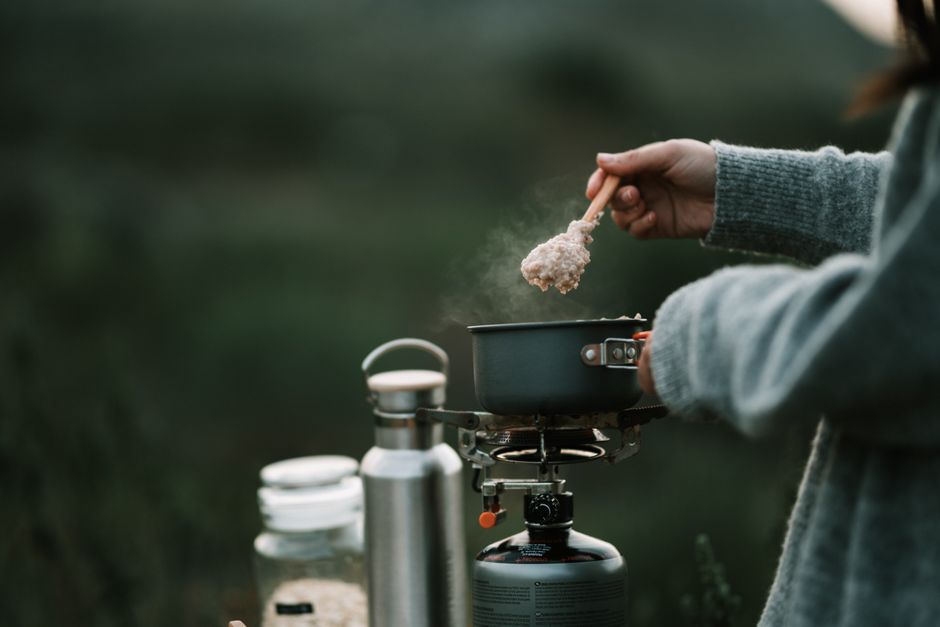
How Meal Planning Reduces Stress and Saves Money
Imagine this: you arrive at your campsite, tired but excited for your adventure, only to find out you forgot the main ingredient for your planned dinner. Frustration sets in, especially if you now have to make an expensive trip to a nearby store. Through meal planningyou can meticulously create a camping grocery list tailored to your meals, ensuring every ingredient is included.
This foresight helps you avoid the last-minute rush or impulse buys, which often leads to overspending.
One aspect many people overlook is the importance of preparing nutritious camping meals. Eating well nourishes your body, ensuring you have the energy to hike, swim, or explore. By planning meals that include lean proteins, whole grains, and plenty of fruits and vegetables, you’ll have the fuel you need for your adventures.
Meals like quinoa salad, grilled chicken wraps, or veggie stir fry provide energy without weighing you down.
The Benefits of Meal Planning for Camping
Not only does good meal planning reduce stress, but it also encourages collaboration if you’re camping with friends or family. Discussing meal preferences helps ensure everyone is satisfied with what’s for dinner, and maybe even breakfast and lunch too. Sharing the cooking responsibilities can turn meal prep into a fun group activity, where everyone can contribute their culinary skills over the campfire.
Additionally, meal planning helps with food storage solutions. Knowing what you need allows for more efficient packing and ensures perishables are stored properly. For instance, keeping meats and dairy in a cooler with ice can help maintain their freshness, while packing items like dried fruits, nuts, and energy bars doesn’t require refrigeration.
It’s about creating a harmonious balance among different types of food while considering their storage needs.
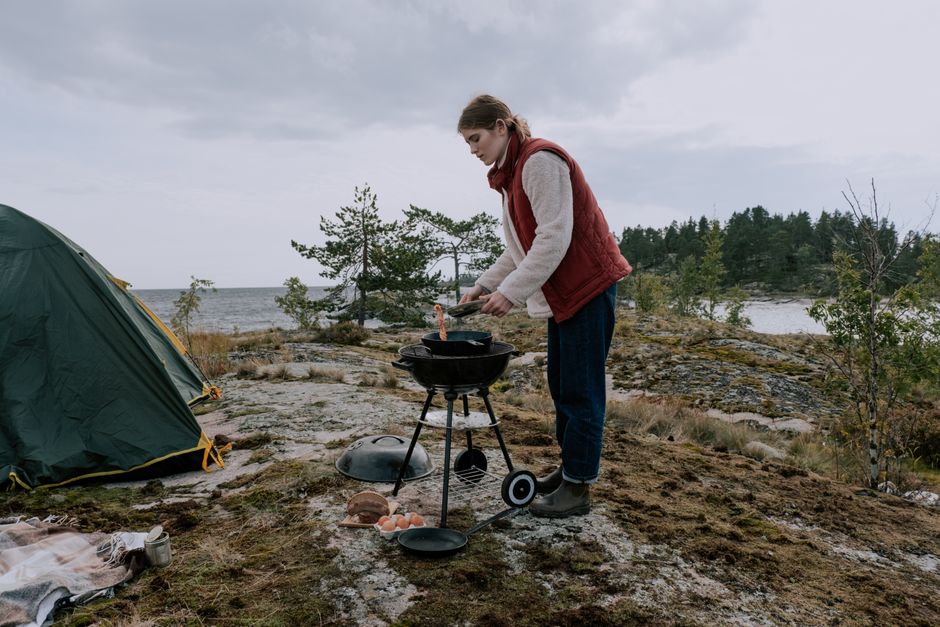
Essential Tips for Effective Camp Meal Prep
When developing your camping grocery list, prioritize ingredients that can be used in multiple meals. For example, spinach works well in salads, wraps, and omelets, while chicken can be used for grilling one night and in stir fry the next. This approach minimizes food waste and maximizes flavor.
Don’t forget to invest in versatile cooking tools. A single portable camp stove or a cast-iron skillet can transform how you cook out in nature. One such tool I never leave without is a sturdy cooler. It keeps food fresh and allows for a variety of meal options, enabling you to explore more creative campfire cooking.
Essential kitchen gadgets like spatulas, knives, and cutting boards should all be included in your planning.
Common Mistakes in Camp Meal Planning
One mistake I see frequently is underestimating the amount of food needed. Camping tends to stir up everyone’s appetite, especially after a day of hiking or swimming. A general guideline is to plan for at least 1.5 to 2 pounds of food per person per day. Planning meals with this in mind helps prevent anyone from feeling hungry and keeps the camp morale high.
Another common error is neglecting meal variety. You might think it’s easier to stick to a few staple items, but that can quickly lead to boredom. Rotating through different proteins and side options can enhance the camping experience. Incorporating themed nights, like taco night or barbecue night, can also keep the meals exciting.
The Bottom Line: Why You Should Always Plan
To make the most of your camping meals, invest time in a meal planning strategy that fits your group's preferences. For families, preparing simple, balanced meals works best, while experienced campers might prefer more adventurous recipes. Avoid last-minute scrambling and elevate your camping experience with well-planned, satisfying meals.
Frequently Asked Questions
Why is meal planning important for camping?
Meal planning is important for camping because it ensures that you have all the necessary ingredients for your meals, reducing the risk of forgetting essentials. It also helps in managing food safety, minimizing waste, and maximizing enjoyment during your trip.
How does meal planning save money on camping trips?
Meal planning saves money on camping trips by enabling you to create a shopping list based on specific meals, preventing impulse buys and food waste. By purchasing only what you need, you can avoid spending on extra snacks or meals that aren't part of your plan.
What are easy meals to plan for camping?
Easy meals to plan for camping include simple options like foil packet meals, sandwiches, pasta dishes, and one-pot recipes. Breakfast items like oatmeal or breakfast burritos, as well as snacks like trail mix and fruit, also work well.
Can meal prepping improve your camping experience?
Yes, meal prepping can improve your camping experience by saving you time and effort at the campsite, allowing you to focus more on relaxation and activities. Prepared meals can ease the hassle of cooking, ensuring that you have satisfying food ready to go when hunger strikes.
How do you pack food for a camping trip?
To pack food for a camping trip, store perishable items in a cooler with ice packs and seal non-perishable items in airtight containers. Organize your food into meals, and keep similar items together to streamline cooking and ensure easy access at the campsite.