
Around 30% of backpackers mistakenly believe that a single waterproof item can protect them from all the elements. The reality is that gear labeled 'waterproof' can vary significantly in quality and effectiveness, especially under heavy rain or prolonged exposure. Understanding these nuances is essential for an enjoyable outdoor experience.
You’ll want to understand how to assess waterproof features beyond just the label. Simply put, a savvy approach means knowing which factors matter most in ensuring your gear remains dry and functional, and that includes size, weight, durability, and proper maintenance.

Waterproof Ratings Matter, Here’s Why
When I first started backpacking, I was unsure of how much value to place on waterproof ratings. I learned that these ratings usually come from standardized tests, such as the IEC 60529 standard which measures waterproof capabilities in terms of waterproofness. Look for materials labeled with a Waterproof Rating (often given in millimeters). A higher number, such as 10,000mm, means greater resistance to water pressure.
However, don’t let that number alone dictate your choice, it’s more nuanced than that.
If you’re looking at typical waterproof materials, three key ones stand out: Gore-Tex, nylon, and PVC. Gore-Tex products give superior breathability along with waterproofing, making them appropriate for various terrains. Nylon is often lighter and suitable for less extreme conditions, while PVC tends to be more affordable but usually heavier and less breathable.
Each has its pros and cons, so consider the conditions you’ll mainly encounter.
Assess Your Needs Based on Activities
Your choice in waterproof gear should hinge upon what kind of backpacking you’re intending to do. If you’re planning an extended backwoods adventure, lightweight equipment should be a priority. A heavy-duty waterproof shell may seem like the right choice, but this can add unnecessary bulk to your pack. I’d recommend looking for gear that balances weight and waterproof capabilities effectively.
Conversely, if you plan to brave a variety of conditions, investing in gear with a reputation for durability will be worth it long term. Durable gear might come with a higher price tag, but they provide security against the elements that cheaper items won’t.
Often, I find that a waterproof gear investment pays for itself when I’m not replacing low-quality items after just a few trips.
Consider the Essential Waterproof Backpacking Items
There are several key items to consider for your waterproof lineup. Typically, this includes your tent, backpack, rain jacketand sleeping bag. Each piece plays a crucial role, and even one lackluster item can compromise your whole setup. I always emphasize investing in a high-quality waterproof tent. Look for materials listed with a minimum waterproof rating of 3,000mm.
This threshold generally keeps the water at bay during most rainy nights.
Your backpack also deserves careful consideration. Many backpacks use water-resistant materials with sealed seams, and that’s an excellent choice. However, I’m partial to waterproof packs with a roll-top closure, which provides extra coverage against downpours. Rain covers can be useful, but I wouldn’t solely rely on them as they tend to slip off in heavy rain.
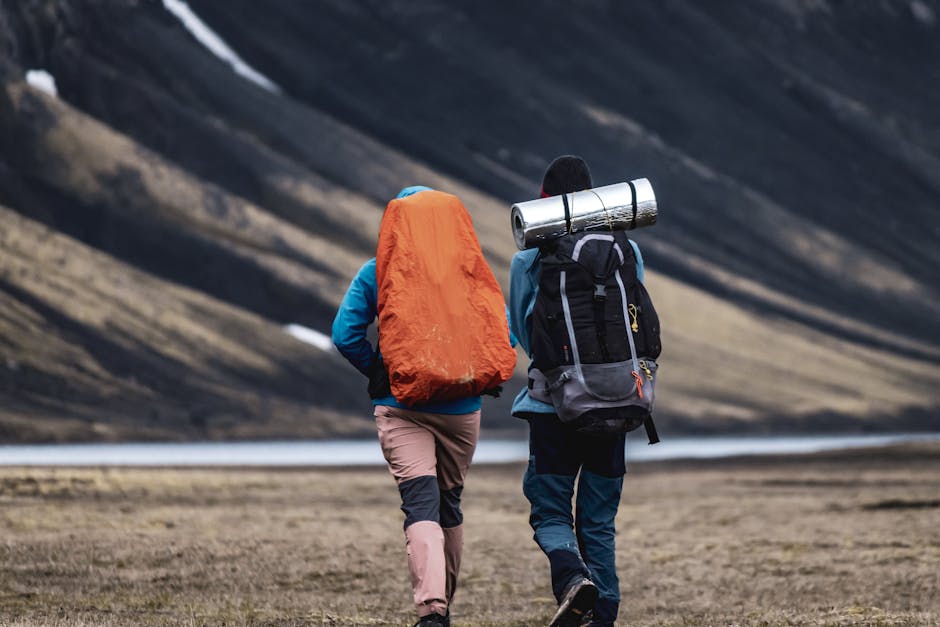
Water-Resistant vs. Waterproof: Know the Difference
The terms “water-resistant” and “waterproof” might sound interchangeable, but that couldn’t be further from the truth. Water-resistant means the gear can withstand light or incidental moisture, while waterproof gear can handle prolonged exposure to water. Be cautious about terminology in product descriptions.
I’ve seen many buyers opting for water-resistant gear, thinking it suffices for full-day hikes in rainy conditions, only to be disappointed later.
If you intend to encounter heavy rain or wet environments frequently, steer clear of water-resistant materials whenever possible. They might save you money, but in bad weather, they can leave you drenched and uncomfortable. Instead, I advocate for waterproof choices even if they weigh slightly more, your comfort and safety are non-negotiable.
Maintenance Is Key to Longevity
One of the often-overlooked aspects of waterproof gear is maintenance. Just like a car needs regular oil changes, your equipment needs care and upkeep to retain its waterproof qualities. Over time, water-repellent coatings can degrade. Periodically re-treat your gear with a durable water repellent (DWR) spray. Doing this can add a layer of protection without a significant cost.
Cleaning your waterproof gear is equally important. Dirt and grime can reduce the effectiveness of waterproof materials. Follow care instructions strictly. Most waterproof jackets and tents can be washed but should be air-dried. I’ve made the rookie mistake of tossing them into the dryer, only to find my items lost their protective qualities.
Price Considerations Are Real
Everyone loves a bargain, but the gear you choose is an investment in your comfort. Generally, higher-quality waterproof gear comes with a higher price tag. If you see a tent priced significantly below comparable models, dig deeper. Seriously consider the quality of materials and customer reviews. That lower price might translate to a tent that leaks after a few uses.
One aspect I always track is the cost-per-trip evaluation. If I expect to use a tent multiple times a year for several years, spending more upfront means lower overall costs. I’d rather pay a bit more and ensure I stay dry and content throughout my adventures than opt for cheap gear that crumbles under moisture.
Avoiding Common Mistakes in Gear Selection
Many enthusiasts make the mistake of not factoring in their unique climate when selecting waterproof gear. For example, people living in more intermittent rainy climates might lean toward a lighter waterproof shell, while more consistent rain might necessitate a heavier option. Assess your local weather conditions and realize that solid waterproof gear shouldn’t be an afterthought.
Another common mistake arises from undervaluing features like ventilation. Some waterproof jackets and tents fail to permit airflow, leading to clammy discomfort. When reviewing gear, prioritize features that promote breathability along with waterproof traits. Trust me; your back will thank you after a long trek.
Final Verdict: Invest Wisely for Reliable Protection
In the realm of waterproof backpacking gear, it pays to be discerning. Prioritize durability, weight, and maintenance as you choose your gear. Embrace waterproof materials with a solid reputation and always check the rating standards. Don’t skimp on the essentials, as your comfort in the wilderness hinges on the integrity of your gear.
Stick with high-quality items that stand the test of time, and you’ll thank yourself during those downpour moments. For those seeking eco-friendly solutions, I wrote about sustainable tents if that interests you, check it out here: 7 Best Eco-Friendly Tents for Camping. Remember, an educated decision in gear selection can enhance every adventure.
If that matters to you, our piece on recipes to try goes further.
There is more on choose eco elsewhere on the site.
Frequently Asked Questions
What makes backpacking gear waterproof?
Backpacking gear is typically made waterproof through the use of specialized materials such as Gore-Tex, nylon, or polyester, often treated with a durable water repellent (DWR) finish. Sealed seams and waterproof zippers also enhance a product's ability to keep water out.
How can I test my gear for waterproofing?
You can test your gear for waterproofing by subjecting it to a water spray or submerging it in a shallow pool of water for a brief period. Observe if any moisture penetrates the fabric or seams, indicating possible failure in the waterproofing.
Is a rain cover necessary for a backpack?
A rain cover is highly recommended for a backpack as it adds an extra layer of protection against heavy rain and keeps the contents dry. Even if the backpack is water-resistant, a rain cover can help prevent water from pooling and seeping through zippers or seams.
Can I make my backpack gear waterproof?
Yes, you can make your backpack gear waterproof by applying a DWR treatment specifically designed for fabrics. Regularly reapplying this treatment, especially after washing, helps maintain the gear's water-repellent properties.
Why does waterproof gear lose its effectiveness?
Waterproof gear can lose its effectiveness due to wear and tear, damage from abrasions, or breakdown of the DWR coating over time. Factors such as exposure to UV light, dirt, and detergents can also compromise the waterproofing, requiring regular maintenance and reapplication.