
What is the weight limit for backpacking? Ideally, your fully loaded backpack should weigh no more than 20-25% of your body weight; for example, a hiker weighing 160 pounds should aim for a pack weight of 32-40 pounds. Staying within this range enhances comfort and performance, while exceeding it can result in fatigue and increased risk of injury on your journey.
Knowing your weight limit is essential for a safer, more enjoyable journey on the trail.
Experts suggest that the fully loaded weight should ideally fall between 20-25% of your body weight. This guideline ensures you’re equipped without being overwhelmed. Once you start including hiking gear, food, and water, the weight can add up quickly, making it crucial to understand these limits to enhance your hiking experience.
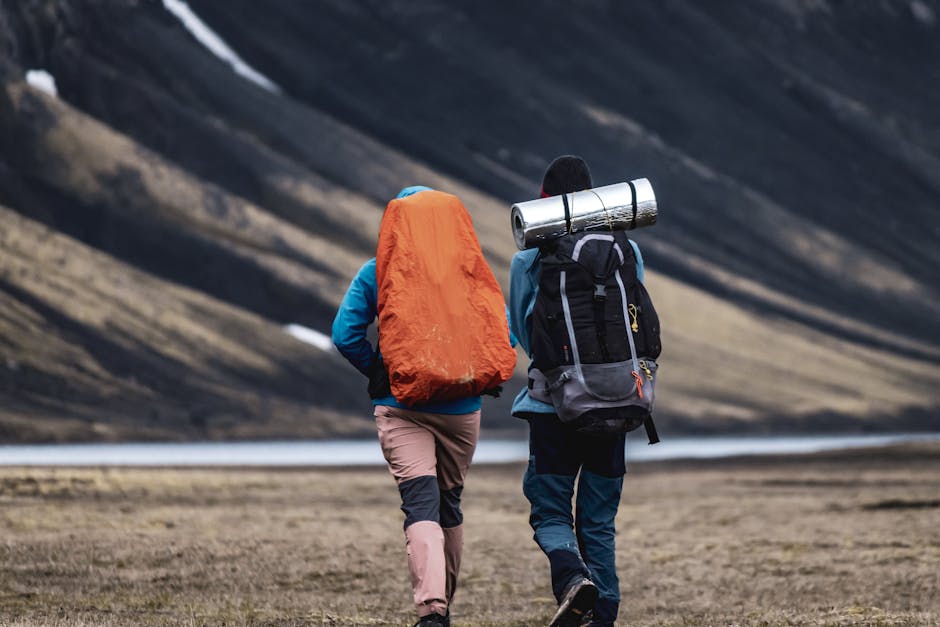
Prioritize Lightweight Gear
Choosing what to pack is just as important as knowing your weight limit. Opt for lightweight gear to significantly reduce your backpack’s weight. For example, a lightweight tent can cut several pounds compared to heavier models. This weight-saving principle applies to all your equipment: sleeping bagscookware, and clothing. Investing in high-quality, lightweight alternatives will pay off on the trail.
The weight of food and water also deserves consideration. Many underestimate how heavy water can be (over 8 pounds per gallon). To lighten your load, consider using a water filtration system to refill as needed. Additionally, packing dehydrated meals instead of heavier options can keep food weight manageable without sacrificing nutrition.
Optimize Weight Distribution
Weight distribution is as critical as the total weight of your pack. Improper distribution can cause back pain and affect your maneuverability. Heavier items should be placed close to your back and centered in the pack. This positioning helps maintain your center of gravity, facilitating better balance.
Adjusting the straps for a snug fit minimizes movement and prevents your gear from shifting as you walk. Avoid the common mistake of loading heavy items at the bottom; positioning them higher enhances stability and reduces stress on your lower back.
Avoid Common Overpacking Mistakes
Avoiding the mindset that you need to bring everything is key to packing efficiently. Compact and multifunctional gear can alleviate many packing dilemmas. For instance, look for pans that can double as cooking pots instead of bringing separate items. This approach contributes to comfort and safety while trekking.
Before each trip, assess your gear to ensure you’re not carrying unused items. Ask yourself, “Will I actually need this?” or “Did I use this on my last hike?” These questions can sharpen your focus on essentials, as every ounce counts against your overall weight limit.

Calculating Your Ideal Load
After evaluating your gear, determining your ideal load becomes simpler. As noted, keeping your total pack weight at or below 20-25% of your body weight is a reliable strategy. Adjust this based on the duration of your hike; for multi-day trips, aim to keep your pack weight below 35 pounds.
If you find yourself pushing towards the higher end of the recommended weight, critically analyze your food supply and extra clothing layers. For longer hikes, efficiently planning meals can prevent unnecessary extra snacks from adding weight without value. A digital luggage scale is a helpful tool for assessing your pack weight; if it exceeds your target, make necessary adjustments by eliminating non-essential items.
Final Verdict: Keep Your Pack Light
The weight limit for backpacking is pivotal for your hiking success. Adhere to the 20-25% rule relative to your body weight, prioritize lightweight gear, and ensure proper weight distribution to prevent fatigue and injury. By investing in quality alternatives and critically assessing your gear before every adventure, you can significantly improve your hiking experience.
Carrying fewer pounds translates to a more enjoyable journey on the trail.
There is more on nutritious recipes to try elsewhere on the site.
If that matters to you, our piece on stove without hassle goes further.
Frequently Asked Questions
What is the ideal backpack weight for hiking?
The ideal backpack weight for hiking typically ranges from 20% to 25% of your body weight. For many hikers, this translates to about 30 to 40 pounds for a multi-day trip, keeping the pack manageable and enhancing comfort.
Why does backpack weight matter?
Backpack weight matters because it directly impacts your energy levels, endurance, and overall hiking experience. A lighter pack allows for easier mobility, reduces fatigue, and minimizes the risk of strain or injury on the trail.
How to reduce backpack weight effectively?
To reduce backpack weight effectively, start by evaluating your gear and eliminating non-essential items. Opt for lightweight alternatives for items like tents, sleeping bags, and cooking gearand prioritize multifunctional tools that can serve multiple purposes.
Can a heavy backpack cause back pain?
Yes, a heavy backpack can cause back pain by placing excessive strain on your muscles and spine, leading to discomfort and potential injury. Proper packing techniques and using supportive gear like padded straps and belts can help alleviate some of this strain.
Is there an average backpack weight limit?
The average backpack weight limit varies based on individual fitness levels and hiking duration but is generally advised to be around 30 to 50 pounds for long-distance hikers. Staying within this range helps prevent fatigue and enhances overall hiking safety.