
Backpacks have become an essential part of modern life, serving students, professionals, digital nomads, and travelers alike. Among the most popular options are laptop backpacks and travel backpacks. While they may look similar at first glance, they are designed for very different purposes. Choosing the wrong one can lead to discomfort, poor organization, or even damage to your belongings.
This article explores the key differences between laptop backpacks and travel backpacks, their advantages and disadvantages, and how to choose the right one based on your needs.
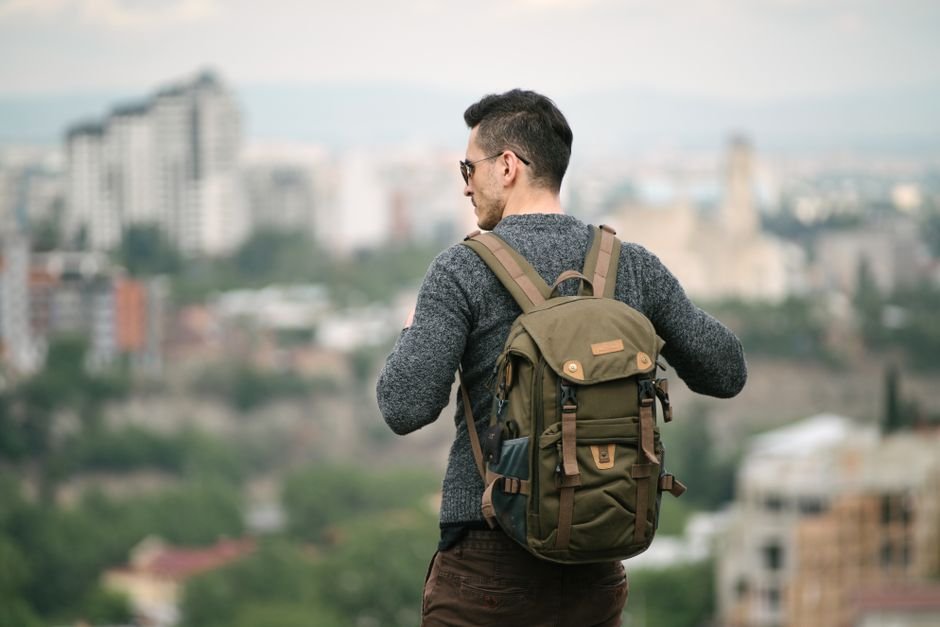
What Is a Laptop Backpack?
A laptop backpack is specifically designed to carry and protect electronic devices, particularly laptops and tablets. These backpacks prioritize organization, security, and daily convenience.
Key Features of Laptop Backpacks
- Padded laptop compartment to protect devices from shocks
- Slim and structured design for professional or academic use
- Multiple small pockets for chargers, mouse, documents, and accessories
- Lightweight construction for daily commuting
- Often includes anti-theft features such as hidden zippers or RFID pockets
Best Uses
- Office work and business travel
- College and school use
- Daily commuting
- Carrying electronics safely
Pros
- Excellent laptop protection
- Professional appearance
- Easy organization for tech gear
- Comfortable for short trips and daily use
Cons
- Limited storage space
- Not ideal for clothing or bulky items
- Less suitable for long trips
What Is a Travel Backpack?
A travel backpack is designed for longer journeys and heavier loads. It focuses on capacity, comfort, and versatility rather than electronics alone.
Key Features of Travel Backpacks
- Large main compartment for clothes and travel essentials
- Often opens like a suitcase (clamshell design)
- Compression straps to manage large loads
- Ergonomic support, including padded shoulder straps and hip belts
- Durable materials built for rough handling
- Some models include a basic laptop sleeve, but it’s not the main focus
Best Uses
- Vacation and international travel
- Backpacking and road trips
- Carry-on luggage replacement
- Long-term travel
Pros
- High storage capacity
- Comfortable for long periods of carrying
- Versatile for different travel styles
- Can replace traditional luggage
Cons
- Bulkier and heavier
- Less organized for electronics
- May look too casual for professional settings
Laptop Backpack vs Travel Backpack: Key Differences
| Feature | Laptop Backpack | Travel Backpack |
|---|---|---|
| Primary Purpose | Protect electronics | Carry travel essentials |
| Storage Capacity | Small to medium | Medium to large |
| Laptop Protection | High | Moderate |
| Comfort for Long Wear | Moderate | High |
| Organization Style | Many small compartments | Large open sections |
| Appearance | Professional and sleek | Casual and rugged |
| Ideal Trip Length | Daily use or short trips | Multi-day or long trips |
Which One Should You Choose?
Choose a Laptop Backpack If:
- You carry a laptop daily
- You commute to work or school
- You want a professional-looking bag
- Your trips are short and tech-focused
Choose a Travel Backpack If:
- You travel frequently or for long durations
- You need to pack clothes and essentials
- Comfort over long distances is important
- You want an alternative to rolling luggage
Hybrid Option: Laptop Travel Backpack
For those who need the best of both worlds, hybrid backpacks are available. These combine a padded laptop compartment with a larger travel-friendly layout. They are ideal for:
- Digital nomads
- Business travelers
- Weekend trips with tech gear
However, hybrids may compromise slightly on both specialization and comfort, so they work best for moderate travel needs.
Cost Comparisons
The price of laptop and travel backpacks varies significantly. Laptop backpacks often range from $30 to $150, depending on features and brand. On the other hand, travel backpacks can cost anywhere from $50 to over $300, especially if they offer extensive storage and advanced materials.
High-end options often include additional costs, like warranty services. Generally, you can find basic models that suit your needs without breaking the bank. However, investing slightly more might yield better quality and durability.
Evaluate what you’re willing to spend. Consider what features are crucial for you and how often you plan to use the backpack. For a detailed look at some excellent options, check out our favorite laptop backpacks vs travel backpacks from The New York Times.

Who Each Option Suits
Laptop backpacks are ideal for students or professionals who need daily access to their devices. If you attend classes or work remotely, this style serves practical needs without sacrificing portability.
Travel backpacks, however, are perfect for adventurers or frequent travelers. They offer versatility, accommodating gear for a weekend trip or a longer journey. If you thrive on exploration and need more room, this might be the right choice.
Your lifestyle largely influences the choice. Take stock of how you plan to use your backpack and select accordingly. Choosing the right one can enhance your everyday experience.
Common Mistakes to Avoid
One common mistake is choosing a backpack without considering your specific needs. Ensure your laptop backpack offers adequate protection for your device. If you travel often, don’t skimp on a durable travel backpack that can withstand rough handling.
Another mistake is filling your bag beyond capacity. Overpacking can strain zippers and create discomfort while carrying. Stick to essential items instead of overloading your pack with non-essentials.
- Don’t overlook comfort features like padded straps and back support.
- Don’t ignore organization; choose a bag with compartments tailored to your needs.
- Avoid waiting too long to replace an old backpack; signs of wear can indicate it’s time for a new one.
Conclusion
Both laptop backpacks and travel backpacks serve important but distinct roles. A laptop backpack excels in protecting electronics and organizing daily essentials, while a travel backpack shines in capacity and comfort for extended journeys. The right choice depends on how you travel, what you carry, and how long you’re on the move.
Before purchasing, consider your primary use case rather than appearance alone. A well-chosen backpack can significantly improve comfort, organization, and peace of mind whether you’re heading to the office or exploring a new country.