
How to camp sustainably on a budget means aiming to spend no more than $50 for a weekend while minimizing environmental impact through mindful gear selection and meal planning. By making thoughtful choices, you can enjoy nature without overspending or harming the planet.
Many people believe that sustainable camping means investing in expensive gear, but this is a misconception. Budget-friendly camping revolves around resourcefulness, prioritizing versatility, and utilizing available resources effectively.
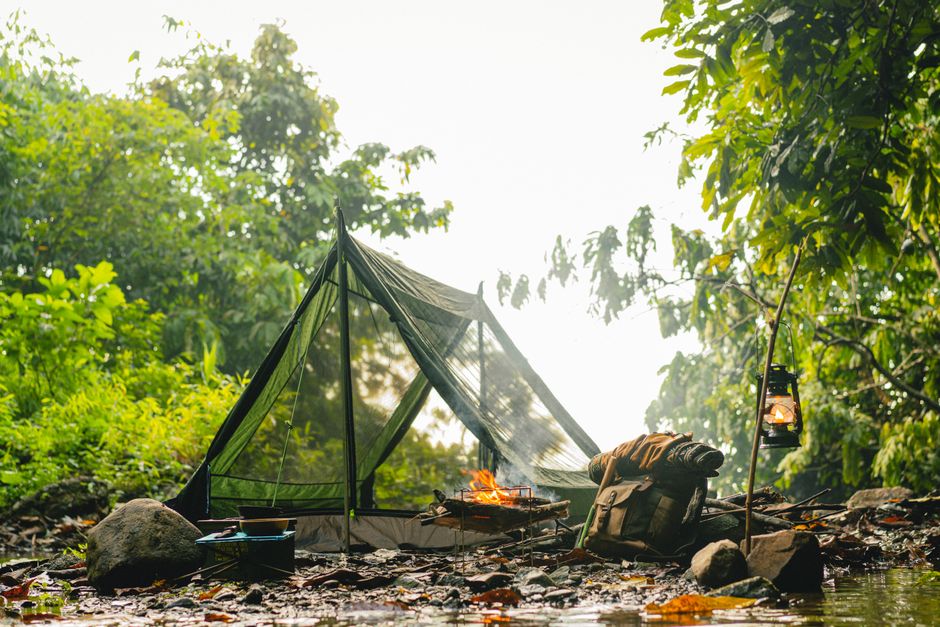
How to Choose Budget-Friendly Camping Gear
High-quality camping gear doesn’t have to come with a high price tag. Explore local thrift stores, online marketplaces, and outdoor gear swap events for used equipment. Tents and sleeping bags often sell for a fraction of retail prices, sleeping bags that retail at over $100 can sometimes be found for as low as $20. Assess your needs and seek out what is available used.
Minimalism is another way to save. Instead of packing every potential item, focus on versatile, multi-purpose tools. For instance, a lightweight backpacking stove can serve dual purposes as both a cooking utensil and a container. Look for items that fulfill multiple roles, as this flexibility embodies eco-friendly camping.
Cost-Effective Transportation Options
Transportation can be a hefty part of camping expenses, impacting both your wallet and the environment. Carpooling with friends can significantly cut gas expenses, and choosing campsites closer to home reduces fuel consumption. Public transportation is another viable option; many parks are accessible by train or bus.
Before buying new gear, consider renting or borrowing. Outdoor shops frequently offer affordable gear rental services that lower costs while promoting sustainability by limiting excess manufacturing.
Tips for Low-Cost, Low-Waste Meals
Food can often be a hidden expense during camping trips. To manage costs and waste, plan meals in advance. Bulk purchasing grains, nuts, and dried fruits not only cuts expenses but also minimizes waste, as these items require little preparation and have a long shelf life. Adhere to the “leave no trace” principle by opting for reusable containers and utensils to eliminate single-use plastics.
Cooking over a campfire allows for budget-friendly meals tailored from minimal fresh ingredients, such as vegetables and a protein source, negating the need for costly pre-packaged options. A lightweight grill grate can enhance your campfire meals without requiring additional gear.

Adopting Leave No Trace Principles
Incorporating Leave No Trace principles is both environmentally friendly and financially savvy. Remember to:
- Plan ahead and prepare to avoid wasted resources.
- Camp on durable surfaces to minimize soil and vegetation damage.
- Dispose of waste properly to lessen environmental impacts.
- Be considerate of wildlife and fellow campers.
Being well-prepared helps prevent unexpected expenses, such as emergency supplies or last-minute grocery trips. Craft a detailed packing list before you go to maintain your budget.
Eco-Friendly Gear Worth the Investment
While saving money is important, some gear warrants a thoughtful investment for long-term benefits. Affordable sustainable options are available, such as:
– **Biodegradable soaps** for cleaning dishes and personal hygiene
– **Solar-powered lights** to replace disposable batteries
– **Recycled aluminum cookware** that is light and durable
These items may have a higher initial cost but ultimately save you money by reducing waste and outperforming cheaper alternatives over time.
Creative and Affordable Sleeping Arrangements
Options for overnight accommodations can be budget-conscious. If a tent isn’t available, a hammock serves as a low-cost, lightweight alternative. Seek durable fabric options that withstand wear.
Innovate with your sleeping arrangements by using a sleeping pad for comfort and insulation, which can double as seating during the day. A simple bedroll filled with warm clothes inside a sturdy sack also conserves space and keeps you warm at night.
Learning Sustainable Skills for Free
Knowledge enhances your camping experience and saves you money. Many parks offer complimentary workshops on skills such as foraging and building sustainable fire pits. Utilize these resources to develop skills that make your trips more enjoyable.
Local libraries also feature extensive collections of outdoor guides and maps, allowing you to learn valuable camping practices at no charge.
Engaging with Community and Local Events
Connecting with local outdoor communities can provide access to shared resources, skills, and experiences. Active outdoor groups are often willing to share gear and knowledge, significantly reducing individual costs.
Volunteering for cleanup events while camping helps protect the environment and sometimes provides food or supplies in return, reinforcing environmentally friendly practices.
Embracing a Minimalist Camping Mindset
Adopting a minimalist approach can enhance your sustainability efforts without overspending. This perspective encourages an appreciation for nature and the essentials of camping over excessive equipment.
Consider what you genuinely need for an enriching camping experience. Reducing unnecessary items simplifies your trip and promotes mindfulness, freeing up finances for essential purchases that enhance your adventures.
Your Path to Sustainable Camping on a Budget
Camping sustainably on a budget goes beyond saving money; it’s about aligning your choices with your values. By focusing on essentials, innovative gear solutions, and thoughtful meal planning, you can enjoy the outdoors responsibly.
Prioritize planning and education to unlock cost-saving opportunities and connect with your outdoor community. Every camping trip you embark on should aim for a lighter environmental footprint while still enjoying the best of nature.
Frequently Asked Questions
What are sustainable camping tips?
Sustainable camping tips include minimizing waste by using reusable items, packing out all trash, and choosing biodegradable products. Additionally, sticking to designated trails and camping areas reduces the impact on natural habitats.
How can I camp with minimal impact?
To camp with minimal impact, practice Leave No Trace principles by cleaning up after yourself and avoiding campfires unless necessary. Set up your camp at least 200 feet away from lakes and streams to protect water sources.
What is the best budget camping gear?
The best budget camping gear typically includes a durable tent, sleeping bag suitable for the season, and a portable stove for cooking. Look for second-hand gear or rent equipment to save money while maintaining quality.
Can you camp eco-friendly for less?
Yes, you can camp eco-friendly for less by using biodegradable items, cooking with a camp stove instead of a fire, and utilizing solar-powered gadgets. Planning meals ahead of time can also reduce waste and save costs.
How do you camp sustainably with kids?
To camp sustainably with kids, involve them in activities like collecting firewood or setting up the tent to teach them about nature. Teach them the importance of leaving no trace and sharing fun, sustainable practices like stargazing without bright lights.