
Choosing the right backpack is essential, especially if you travel, hike, commute, or carry electronics. One of the most common points of confusion is the difference between waterproof and water-resistant backpacks. Although the terms sound similar, they are not the same, and choosing the wrong one can lead to damaged gear and frustration.
This in-depth article explains the differences, advantages, disadvantages, use cases, and how to decide which type of backpack is best for you.
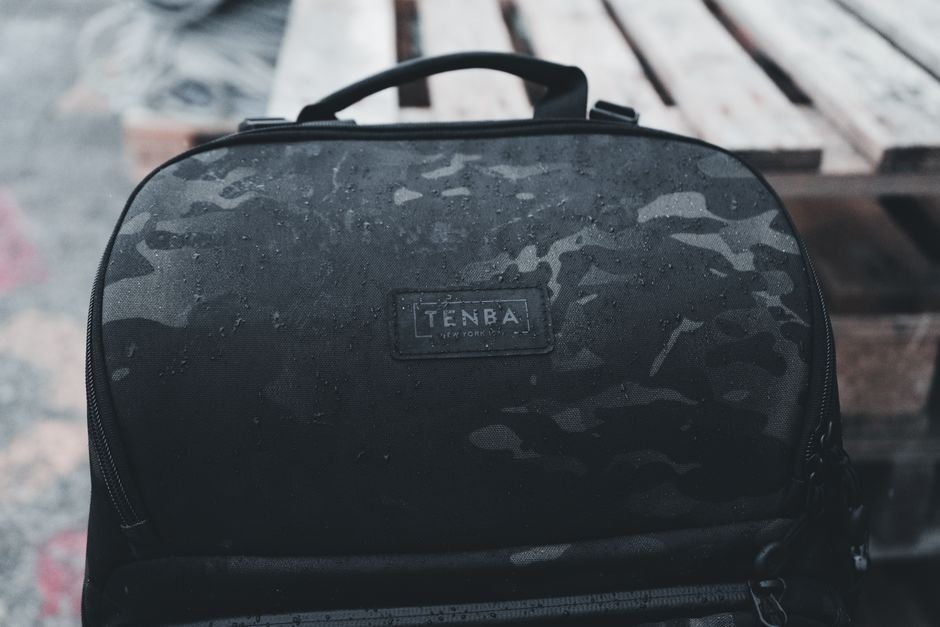
Understanding the Basics
Before comparing the two, it’s important to understand what each term actually means.
What Is a Waterproof Backpack?
A waterproof backpack is designed to completely block water from entering, even when exposed to heavy rain, splashes, or temporary submersion.
Key characteristics:
- Made from waterproof materials such as PVC, TPU, or coated nylon
- Sealed or welded seams (not stitched)
- Roll-top or airtight zipper closures
- Often rated with an IP (Ingress Protection) level
Waterproof backpacks are commonly used for kayaking, boating, camping, hiking in storms, and extreme weather conditions.
What Is a Water-Resistant Backpack?
A water-resistant backpack can repel water to a certain degree, but it is not fully waterproof. It can handle light rain or splashes but will eventually allow water in if exposed for too long.
Key characteristics:
- Treated with a Durable Water Repellent (DWR) coating
- Standard stitched seams
- Regular zippers (sometimes with water-resistant covers)
- Often made from polyester or nylon
Water-resistant backpacks are popular for daily commuting, school, travel, and office use.
Key Differences Between Waterproof and Water-Resistant Backpacks
| Feature | Waterproof Backpack | Water-Resistant Backpack |
|---|---|---|
| Water Protection | Fully blocks water | Repels light moisture |
| Rain Exposure | Heavy rain & submersion | Light rain only |
| Seams | Welded or sealed | Stitched |
| Zippers | Airtight or roll-top | Standard or coated |
| Weight | Heavier | Lighter |
| Breathability | Low | Higher |
| Price | Usually more expensive | More affordable |
Advantages of Waterproof Backpacks
1. Maximum Protection
Waterproof backpacks keep your belongings completely dry, even in extreme conditions.
2. Ideal for Outdoor Adventures
Perfect for activities like:
- Kayaking and rafting
- Camping and hiking
- Fishing and boating
- Snow sports
3. Electronics Safety
Great for carrying laptops, cameras, and power banks without worrying about water damage.
4. Long-Term Durability
Waterproof materials resist mold, moisture damage, and wear from wet environments.
Disadvantages of Waterproof Backpacks
1. Less Breathable
Because they are sealed, waterproof backpacks can trap heat and moisture inside.
2. Heavier and Bulkier
Waterproof materials and construction make these backpacks heavier.
3. Limited Organization
Many waterproof backpacks have fewer pockets to maintain a tight seal.
4. Higher Cost
They are usually more expensive than water-resistant options.
Advantages of Water-Resistant Backpacks
1. Lightweight and Comfortable
Ideal for everyday use without added bulk.
2. Stylish and Versatile
Available in many designs suitable for school, work, and travel.
3. Affordable
Generally cheaper than fully waterproof backpacks.
4. Adequate for Daily Conditions
Handles light rain, splashes, and short exposure to moisture.
Disadvantages of Water-Resistant Backpacks
1. Limited Protection
Not suitable for heavy rain or long exposure to water.
2. Moisture Can Leak Through Seams
Stitched seams are weak points where water can enter.
3. Coating Wears Off Over Time
The water-repellent treatment can fade with use and washing.
Which Backpack Should You Choose?
Choose a Waterproof Backpack If:
- You spend a lot of time outdoors
- You travel in unpredictable or extreme weather
- You participate in water-based activities
- You carry valuable electronics
- You need guaranteed water protection
Choose a Water-Resistant Backpack If:
- You need a backpack for daily commuting
- You live in an area with occasional rain
- You want something lightweight and stylish
- You mostly stay indoors or in urban environments
Real-Life Use Case Examples
For Students
A water-resistant backpack is usually enough for books, notebooks, and a laptop during light rain.
For Office Workers
Water-resistant backpacks work well for short commutes and professional settings.
For Travelers
If you’re backpacking across regions with uncertain weather, a waterproof backpack offers peace of mind.
For Outdoor Enthusiasts
Hikers, campers, and adventurers should invest in a waterproof backpack.

How to Improve Water Protection
If you already own a water-resistant backpack, you can:
- Use a rain cover
- Apply a waterproof spray
- Store electronics in dry bags inside the backpack
These steps help but do not turn it into a fully waterproof backpack.
For a deeper look, see Packhacker's guide.
Maintenance Tips
Proper care extends the lifespan of both backpack types. For waterproof backpacks, clean the exterior with a damp cloth after use and check the seams for wear. To maintain the waterproof barrier, reapply a waterproofing treatment every few months, depending on use.
With water-resistant backpacks, inspect zippers and seams regularly for fraying. Gentle hand washing and air drying help preserve the coating. Avoid harsh detergents as they can strip away the protective layer. These simple maintenance steps can prolong the life and effectiveness of your backpack.
Conclusion
The choice between a waterproof backpack and a water-resistant backpack ultimately depends on your lifestyle and how much exposure to water you expect. A waterproof backpack offers complete protection against heavy rain, splashes, and even brief submersion, making it the best option for outdoor adventures, travel in extreme weather, and carrying valuable electronics.
On the other hand, a water-resistant backpack provides sufficient protection for light rain and everyday use, while remaining lighter, more comfortable, and more affordable.
If your activities involve frequent or unpredictable contact with water, investing in a waterproof backpack is a smart and reliable decision. However, for daily commuting, school, or office use where water exposure is minimal, a water-resistant backpack is usually more practical. Understanding the difference ensures you choose a backpack that protects your belongings while matching your needs and budget.