
Travel Adapter vs Power Bank: Which Essential Should you choose for your trip? For most travelers, a power bank is generally more crucial, as it can provide multiple charges for devices like smartphones and tablets without needing a wall outlet, ensuring you stay connected and powered up while on the go.
Two commonly used travel accessories are travel adapters and power banks. Although both relate to charging devices, they serve completely different purposes. Many travelers confuse the two or assume one can replace the other. In reality, each product solves a different problem, and understanding their functions can help you travel more efficiently and avoid unnecessary inconvenience.
This article explains the difference between travel adapters and power banks, their advantages and disadvantages, when to use each one, and how to choose the best option for your travel needs.
What Is a Travel Adapter?
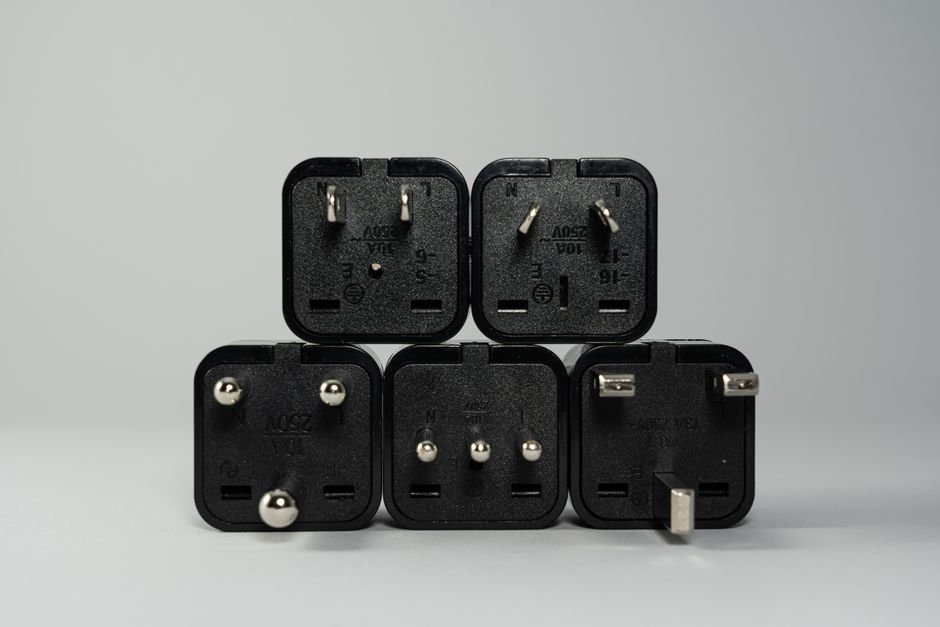
A travel adapter is a device that allows you to plug your electronic charger into foreign electrical outlets. Different countries use different plug shapes and socket designs, which means your regular charger may not fit into wall outlets abroad.
A travel adapter acts as a connector between your device charger and the foreign socket.
For example:
- A traveler from Pakistan visiting the United Kingdom will need a Type G adapter.
- A traveler from Europe visiting the United States may need a Type A or Type B adapter.
Travel adapters do not store electricity. They simply make physical connections possible between plugs and sockets.
Main Purpose of a Travel Adapter
The primary purpose of a travel adapter is compatibility with international power outlets.
Without the correct adapter, you may not be able to charge your devices at all.
Types of Travel Adapters
1. Universal Travel Adapter
A universal adapter supports multiple plug types and works in many countries. These are popular among frequent travelers because they eliminate the need to carry several separate adapters.
Advantages
- Works in multiple countries
- Compact and convenient
- Often includes USB charging ports
Disadvantages
- Slightly more expensive
- Some low-quality models may not support high-power appliances
2. Country-Specific Adapter
These adapters are designed for a single country or region.
Advantages
- Usually cheaper
- Simple and lightweight
Disadvantages
- Limited to one plug type
- Not ideal for multi-country trips
What Is a Power Bank?
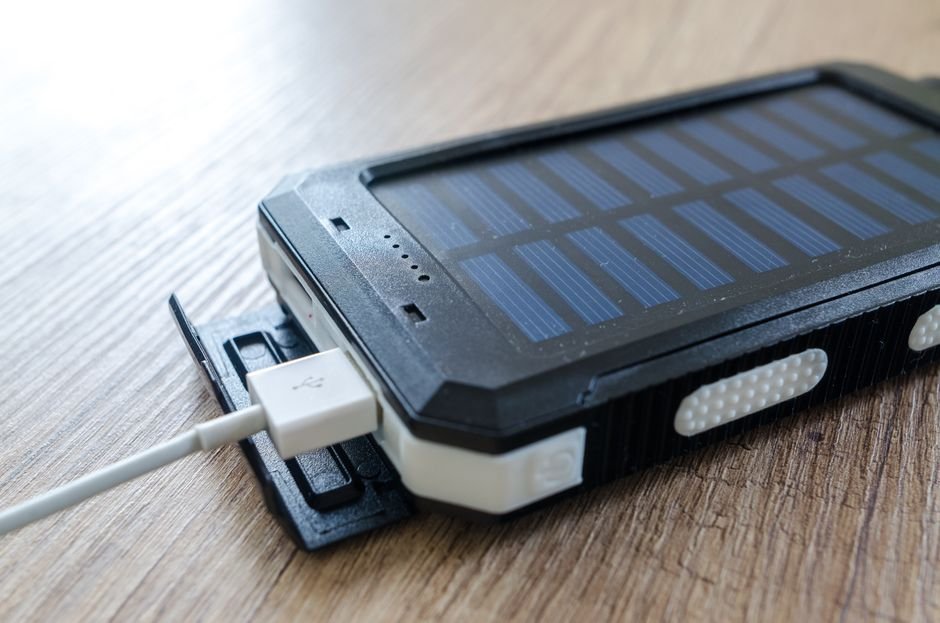
A power bank is a portable battery that stores electrical energy and can charge devices without needing a wall outlet.
It is essentially a backup battery for your electronic devices.
Power banks are especially useful during:
- Long flights
- Road trips
- Outdoor adventures
- Power outages
- Situations where wall sockets are unavailable
Unlike travel adapters, power banks supply actual electrical power.
How Power Banks Work
A power bank stores electricity inside rechargeable lithium-ion or lithium-polymer batteries. You charge the power bank beforehand, and later use it to recharge your devices through USB cables.
Modern power banks can charge:
- Smartphones
- Tablets
- Wireless earbuds
- Cameras
- Smartwatches
- Some laptops
Types of Power Banks
1. Standard Power Banks
These are basic portable chargers designed mainly for smartphones and small electronics.
Features
- USB output ports
- Lightweight design
- Affordable pricing
2. Fast-Charging Power Banks
These support technologies like:
- Quick Charge
- Power Delivery (PD)
They can charge compatible devices much faster than standard models.
3. Laptop Power Banks
These high-capacity models can charge laptops and larger devices.
Features
- USB-C PD support
- Higher wattage output
- Larger battery capacity
4. Solar Power Banks
These include solar panels for emergency charging using sunlight.
Best For
- Camping
- Hiking
- Emergency preparedness
Key Differences Between Travel Adapters and Power Banks
| Feature | Travel Adapter | Power Bank |
|---|---|---|
| Main Function | Connects plugs to foreign sockets | Stores and supplies battery power |
| Requires Wall Outlet | Yes | No |
| Stores Electricity | No | Yes |
| Portable Charging | No | Yes |
| Used Internationally | Yes | Anywhere |
| Charges Devices Without Electricity | No | Yes |
| Best For | International socket compatibility | Backup charging on the move |
Do You Need Both?
In many situations, yes.
A travel adapter and a power bank complement each other rather than replace one another.
Example Scenario
Imagine you are traveling internationally:
- Your travel adapter allows you to charge devices in hotel rooms and airports.
- Your power bank keeps devices running during flights, tours, and outdoor activities.
Using both together provides maximum convenience and flexibility.
Advantages of a Travel Adapter
1. Essential for International Travel
Different countries use different electrical outlet standards. A travel adapter ensures your charger fits correctly.
2. Compact and Lightweight
Most travel adapters are small and easy to pack.
3. Multiple Device Charging
Many modern universal adapters include:
- USB-A ports
- USB-C ports
- Fast charging support
This allows multiple devices to charge simultaneously.
Disadvantages of a Travel Adapter
1. Does Not Provide Backup Power
A travel adapter cannot charge devices unless connected to electricity.
2. May Not Convert Voltage
Many travelers confuse adapters with voltage converters.
A standard adapter does not change voltage. If your appliance does not support the local voltage, you may need a converter as well.
3. Quality Concerns
Cheap adapters may:
- Overheat
- Charge slowly
- Damage devices
Choosing a reliable brand is important.
Advantages of a Power Bank
1. Portable Charging Anywhere
You can charge devices:
- During flights
- On buses or trains
- While hiking
- During emergencies
2. Extremely Convenient
Power banks eliminate the stress of finding electrical outlets.
3. Useful During Power Outages
In regions with unstable electricity, power banks can be very valuable.
4. Supports Multiple Charges
High-capacity power banks can recharge a smartphone several times before needing recharge themselves.
Disadvantages of a Power Bank
1. Limited Battery Capacity
Eventually, the power bank itself must be recharged.
2. Airline Restrictions
Airlines often limit battery capacity for carry-on luggage.
Most airlines allow power banks under 100Wh, but regulations vary.
3. Heavier Models Can Be Bulky
High-capacity power banks may add noticeable weight to your luggage.
Which One Should You Buy?
The answer depends on your travel style and needs.
Choose a Travel Adapter If:
- You travel internationally
- You need compatibility with foreign outlets
- You stay mostly in hotels with available electricity
- You use multiple chargers
Choose a Power Bank If:
- You spend long hours away from outlets
- You travel frequently by road or air
- You rely heavily on smartphones
- You attend outdoor activities or events
Choose Both If:
- You travel internationally often
- You use several electronic devices
- You want uninterrupted charging access
- You value convenience and preparedness
For most modern travelers, carrying both is the ideal solution.
Important Features to Look For
Features to Consider in a Travel Adapter
1. Universal Compatibility
Look for support for major plug types used worldwide.
2. USB-C Support
Modern devices increasingly rely on USB-C charging.
3. Surge Protection
Helps protect devices from power fluctuations.
4. Compact Design
Smaller adapters are easier to carry.
Features to Consider in a Power Bank
1. Battery Capacity
Measured in mAh.
Typical recommendations:
- 5,000mAh: Light use
- 10,000mAh: Everyday travel
- 20,000mAh or more: Heavy users and long trips
2. Fast Charging
Look for:
- Power Delivery (PD)
- Quick Charge support
3. Number of Ports
Useful for charging multiple devices simultaneously.
4. Weight and Size
Balance portability with battery capacity.
Safety Tips
For Travel Adapters
- Avoid overloaded sockets
- Buy certified products
- Check voltage compatibility before plugging in devices
For Power Banks
- Avoid exposing to extreme heat
- Use approved charging cables
- Do not carry damaged batteries
- Follow airline regulations
Common Misconceptions
“A Travel Adapter Charges My Phone”
Not exactly. The adapter only connects your charger to the socket. The actual charging is done by your charger and electricity supply.
“A Power Bank Replaces a Travel Adapter”
Only partially. A power bank helps temporarily, but eventually it also needs recharging from a wall outlet.
“All Adapters Convert Voltage”
False. Most adapters only change plug shape, not electrical voltage.
For a deeper look, see Wirecutter's guide.
We cover 10 essential types of jackets in more depth separately.
Worth reading alongside this: essential items you should bring.
Conclusion
Travel adapters and power banks are both valuable travel accessories, but they serve very different purposes.
A travel adapter ensures your devices can connect to foreign electrical outlets, while a power bank provides portable backup energy wherever you go.
For international travelers, business professionals, students, digital nomads, and adventure enthusiasts, having both devices offers the best travel experience. Together, they provide convenience, flexibility, and peace of mind.