
Two of the most popular wearable categories are travel smartwatches and fitness trackers. Technology has changed the way people travel, exercise, and stay connected. Wearable devices have become an essential part of daily life, especially for travelers who want convenience, navigation, health monitoring, and communication on the go. Although they may look similar at first glance, they serve different purposes and offer unique advantages.
Choosing between a smartwatch and a fitness tracker can be difficult because both devices include health features, activity tracking, and mobile connectivity. However, travelers have different needs depending on their lifestyle, budget, travel frequency, and fitness goals.
This article explains the differences between travel smartwatches and fitness trackers, their features, advantages, disadvantages, and which option is best for different types of travelers.
What Is a Travel Smartwatch?
A travel smartwatch is a multifunctional wearable device designed to work like a mini smartphone on your wrist. It provides communication tools, travel assistance, navigation, entertainment, and health tracking features.
Modern smartwatches can:
- Display notifications
- Make calls
- Send messages
- Use GPS navigation
- Track workouts
- Monitor heart rate
- Support contactless payments
- Store travel apps
- Control music
- Provide weather updates
Travel smartwatches are especially useful for people who travel frequently for business, adventure, or leisure.
Popular smartwatch brands include:
- Apple
- Samsung
- Garmin
- Huawei
What Is a Fitness Tracker?
A fitness tracker is a wearable device focused mainly on health and activity monitoring. It tracks physical activities such as walking, running, cycling, sleep, calories burned, and heart rate.
Fitness trackers are generally lighter, smaller, and more affordable than smartwatches. Their primary goal is to encourage healthy habits and provide fitness-related data.
Most fitness trackers include:
- Step counting
- Sleep tracking
- Heart rate monitoring
- Workout tracking
- Calorie estimation
- Water resistance
- Long battery life
Popular fitness tracker brands include:
- Fitbit
- Xiaomi
- Garmin
- Amazfit
Key Differences Between Smartwatches and Fitness Trackers
1. Purpose
Smartwatch
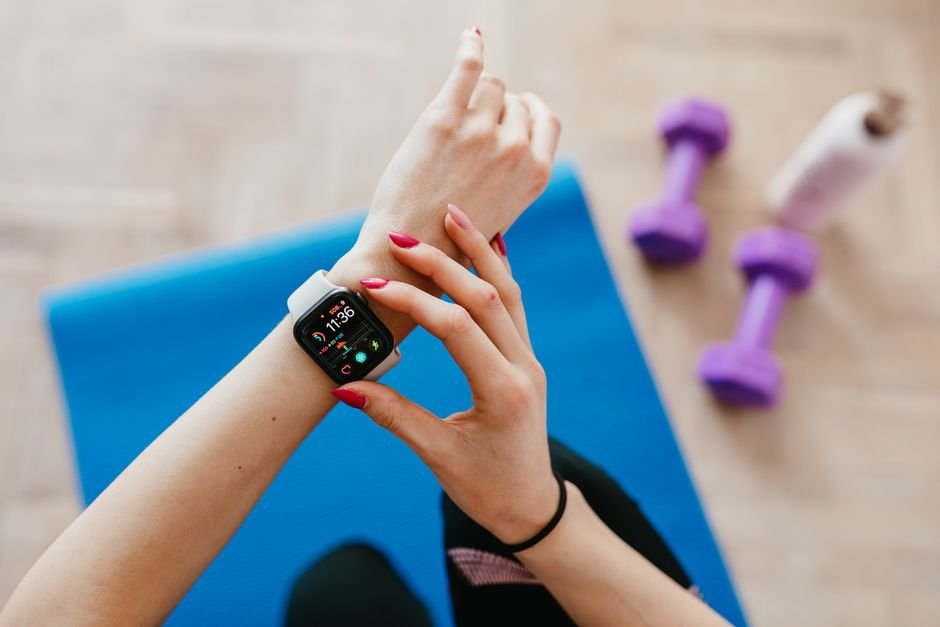
A smartwatch is designed for productivity, communication, travel convenience, and lifestyle management.
Fitness Tracker
A fitness tracker mainly focuses on health monitoring and physical activity tracking.
2. Design and Display
Smartwatch
- Larger display
- Premium appearance
- Touchscreen interface
- Customizable watch faces
- Better readability for maps and notifications
Fitness Tracker
- Slim and lightweight
- Minimalist design
- Smaller screen
- Simple interface
Travelers who prefer stylish accessories often choose smartwatches, while athletes and minimalists may prefer fitness trackers.
3. Battery Life
Battery performance is one of the biggest differences.
Smartwatch Battery
Most smartwatches last:
- 1 to 3 days
Heavy GPS and app use can drain the battery faster.
Fitness Tracker Battery
Fitness trackers often last:
- 5 to 14 days
- Some models last several weeks
For long backpacking trips or remote travel, fitness trackers usually provide better battery efficiency.
4. GPS and Navigation
Smartwatch
Travel smartwatches often include:
- Built-in GPS
- Offline maps
- Route guidance
- Compass
- Travel apps
These features help travelers navigate unfamiliar cities and hiking trails.
Fitness Tracker
Basic fitness trackers may include:
- Connected GPS through smartphone
- Simple route tracking
Advanced fitness trackers may include standalone GPS, but navigation features are usually limited.
5. Health and Fitness Features
Both devices track health, but fitness trackers focus more deeply on wellness metrics.
Common Features
- Heart rate monitoring
- Step counting
- Sleep analysis
- Calories burned
Advanced Smartwatch Features
- ECG monitoring
- Stress tracking
- Blood oxygen monitoring
- Voice coaching
- Third-party fitness apps
Advanced Fitness Tracker Features
- Recovery tracking
- Detailed sleep scoring
- Workout intensity analysis
- Continuous health monitoring
Fitness enthusiasts may prefer dedicated fitness trackers because of their specialized health insights.
6. Connectivity and Communication
Smartwatch Advantages
Smartwatches offer:
- Phone calls
- Text messaging
- Voice assistants
- App integration
- Mobile payments
- Email notifications
This is highly useful while traveling through airports, hotels, and public transportation systems.
Fitness Tracker Limitations
Fitness trackers usually provide:
- Basic notifications
- Limited app support
They are less effective for communication tasks.
7. Price Comparison
Smartwatch Prices
Smartwatches are generally more expensive due to advanced technology and larger displays.
Premium models can cost hundreds of dollars.
Fitness Tracker Prices
Fitness trackers are usually budget-friendly and ideal for travelers seeking simple health tracking without extra features.
Advantages of Travel Smartwatches
1. Excellent Travel Companion
Smartwatches can replace several travel tools:
- Navigation device
- Boarding pass holder
- Payment card
- Music player
- Notification center
2. Smart Features
Travelers can:
- Check flight updates
- Receive hotel notifications
- Translate languages
- Use digital wallets
3. Better Navigation
Built-in GPS and maps are ideal for:
- International travel
- Road trips
- Hiking
- Urban exploration
4. Emergency Assistance
Some smartwatches offer:
- Fall detection
- Emergency SOS
- Location sharing
These features can improve safety during solo travel.
Disadvantages of Travel Smartwatches
1. Short Battery Life
Frequent charging can become inconvenient during travel.
2. Higher Cost
Premium travel smartwatches can be expensive.
3. Heavier Design
Large smartwatches may feel bulky during workouts or long journeys.
Advantages of Fitness Trackers
1. Long Battery Life
Ideal for:
- Camping
- Backpacking
- Outdoor adventures
2. Lightweight Comfort
Fitness trackers are comfortable for:
- Sleeping
- Running
- Daily wear
3. Affordable
Great for budget travelers and beginners.
4. Strong Health Focus
Excellent for users who prioritize:
- Exercise
- Sleep tracking
- Wellness monitoring
Disadvantages of Fitness Trackers
1. Limited Smart Features
Most fitness trackers cannot:
- Make calls
- Run advanced apps
- Display detailed maps
2. Smaller Screens
Reading messages and navigation can be difficult.
3. Fewer Travel Tools
Travel-specific functions are often minimal.
Which Device Is Better for Different Travelers?
Best for Business Travelers: Smartwatch
Business travelers benefit from:
- Email notifications
- Calendar alerts
- Calls and messaging
- Mobile payments
A smartwatch improves productivity while traveling.
Best for Adventure Travelers: Fitness Tracker
Adventure travelers often prioritize:
- Long battery life
- Durability
- Lightweight comfort
Fitness trackers are more practical for outdoor environments.
Best for Fitness Travelers: Fitness Tracker
People focused on:
- Running
- Hiking
- Cycling
- Gym workouts
may prefer the detailed health metrics of a fitness tracker.
Best for Luxury and Convenience: Smartwatch
Travelers who want:
- Premium style
- Smart apps
- Digital convenience
- Entertainment
usually prefer smartwatches.
Important Factors to Consider Before Buying
1. Battery Needs
If you travel long distances without reliable charging access, battery life should be your top priority.
2. Budget
Fitness trackers are better for limited budgets, while smartwatches provide premium experiences at higher prices.
3. Smartphone Compatibility
Some devices work better with specific phones.
For example:
- Apple Watch works best with Apple devices.
- Many Samsung watches integrate smoothly with Android phones.
4. Travel Style
Consider whether your trips involve:
- Business meetings
- Outdoor adventures
- Fitness activities
- Urban tourism
Your lifestyle should determine your choice.
Future Trends in Wearable Travel Technology
Wearable technology continues to evolve rapidly. Future smartwatches and fitness trackers may include:
- AI-powered health monitoring
- Satellite connectivity
- Advanced travel translation
- Improved battery technology
- Enhanced biometric security
As technology improves, the gap between smartwatches and fitness trackers may become smaller.
For a deeper look, see Canyon Eu's guide.
There is more on travel bluetooth tracker vs gps elsewhere on the site.
Conclusion
Both travel smartwatches and fitness trackers offer valuable features for modern travelers, but the right choice depends on individual needs and lifestyle preferences. Travel smartwatches are ideal for people who want advanced connectivity, navigation, communication tools, and smart travel features all in one device. They provide convenience and productivity, making them perfect for business travelers and tech enthusiasts.
On the other hand, fitness trackers are better suited for users who prioritize health monitoring, long battery life, comfort, and affordability. They are lightweight, practical, and highly effective for tracking physical activity and wellness during travel and everyday life.
Before making a decision, travelers should consider factors such as budget, battery life, travel habits, fitness goals, and desired smart features. A smartwatch offers a more complete digital experience, while a fitness tracker focuses on simplicity and efficient health tracking.
Ultimately, both devices can improve travel experiences by helping users stay connected, organized, and health-conscious wherever they go.