
That is why travel trackers have become essential tools for modern travelers. Losing luggage, backpacks, passports, or valuable gadgets while traveling can quickly turn a dream trip into a stressful experience. Two of the most popular options are Bluetooth trackers and GPS trackers. While both help locate lost items, they work in very different ways and serve different purposes.
Understanding the differences between Bluetooth and GPS trackers can help travelers choose the right solution based on budget, travel style, and security needs. This article explores how each tracker works, their advantages and disadvantages, and which option is best for different travel situations.
What Is a Bluetooth Tracker?
A Bluetooth tracker is a small wireless device that connects to a smartphone using Bluetooth technology. These trackers are commonly attached to luggage, keys, wallets, backpacks, or even pets.
Popular examples include:
- Apple AirTag
- Tile Pro
- Samsung Galaxy SmartTag2
Bluetooth trackers rely on nearby smartphones or devices within a connected network to help locate lost items. They typically work within a limited range, usually between 30 and 400 feet depending on the environment and model.
How Bluetooth Trackers Work
Bluetooth trackers communicate directly with your smartphone through Bluetooth signals. If your item is nearby, you can use an app to make the tracker ring or display its location.
Modern Bluetooth trackers also use crowd-sourced tracking networks. For example:
- Apple AirTags use the Find My network
- Samsung SmartTags use the Galaxy Find Network
- Tile uses its own user community network
If your lost item is outside Bluetooth range, nearby devices within the network can anonymously detect the tracker and update its location.
Advantages of Bluetooth Trackers for Travel
1. Compact and Lightweight
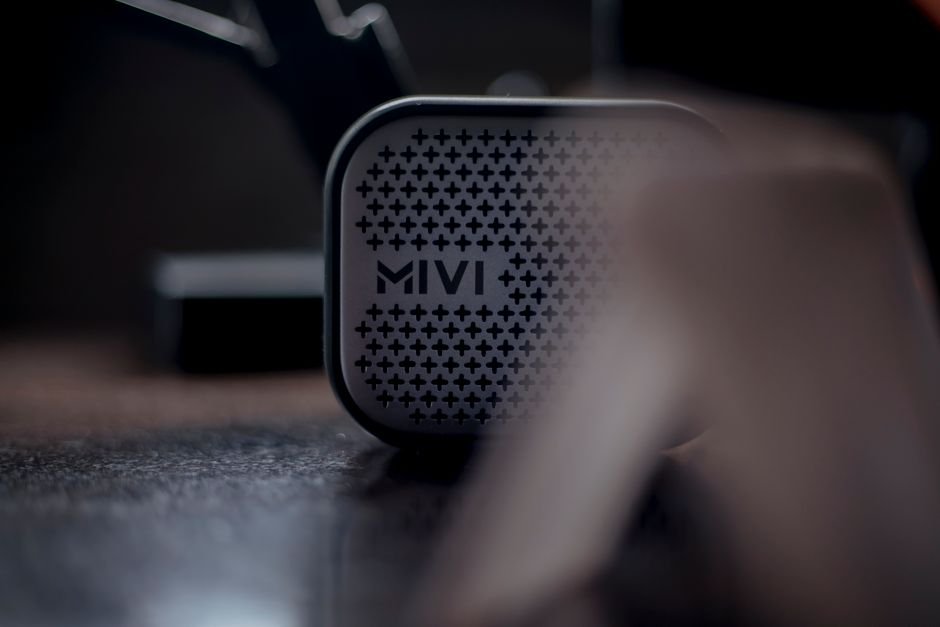
Bluetooth trackers are extremely small and easy to carry. They fit inside luggage, wallets, passport holders, and camera bags without adding weight.
2. Affordable
Most Bluetooth trackers are budget-friendly compared to GPS trackers. Travelers can protect multiple items without spending too much.
3. Long Battery Life
Many Bluetooth trackers offer excellent battery life:
- AirTags can last about one year
- Some Tile devices last several months
- Certain models include replaceable batteries
This makes them ideal for long vacations or frequent travelers.
4. Easy Setup
Bluetooth trackers are designed for convenience. Most connect to smartphones within minutes through dedicated apps.
5. Useful for Everyday Travel Items
Bluetooth trackers are perfect for:
- Luggage
- Keys
- Wallets
- Backpacks
- Camera bags
- Passport pouches
Disadvantages of Bluetooth Trackers
1. Limited Range
Bluetooth technology has a relatively short range. Once an item moves far away, direct tracking becomes impossible unless another device in the network detects it.
2. Dependence on Nearby Devices
Crowd-sourced tracking only works well in populated areas where many users have compatible devices.
In remote areas, mountains, deserts, or rural destinations, Bluetooth tracking may become unreliable.
3. No Real-Time Tracking
Bluetooth trackers generally do not provide continuous live tracking like GPS devices.
What Is a GPS Tracker?
A GPS tracker uses satellite signals to determine an item’s exact location anywhere in the world. Unlike Bluetooth trackers, GPS devices work independently and do not rely on nearby smartphones.
Popular GPS travel trackers include:
- Tracki GPS Tracker
- LandAirSea 54 GPS Tracker
- Jiobit Smart Tag
GPS trackers are commonly used for:
- Vehicles
- Expensive luggage
- Outdoor adventures
- Business travel
- Child and pet tracking
How GPS Trackers Work
GPS trackers communicate with satellites to determine precise coordinates. Most models then send location data through:
- Cellular networks
- Wi-Fi
- Satellite communication systems
Travelers can monitor the device in real time through mobile apps or online dashboards.
Advantages of GPS Trackers for Travel
1. Real-Time Global Tracking
GPS trackers can provide live location updates almost anywhere in the world. This makes them extremely useful for international travel.
2. Unlimited Range
Unlike Bluetooth trackers, GPS devices are not restricted by short-range wireless signals.
3. Better Security for Valuable Items
GPS trackers are ideal for protecting:
- Expensive luggage
- Professional camera equipment
- Rental cars
- Adventure gear
4. Geofencing Features
Many GPS trackers allow users to create virtual boundaries. If an item leaves a specific area, the user receives an instant alert.
5. Emergency Tracking
Some advanced GPS trackers include SOS buttons and emergency alerts, which can be useful for solo travelers and hikers.
Disadvantages of GPS Trackers
1. Higher Cost
GPS trackers are usually more expensive than Bluetooth trackers. Many also require monthly subscription fees for cellular connectivity.
2. Shorter Battery Life
Continuous GPS tracking consumes more power. Depending on usage, batteries may last from a few days to a few weeks.
3. Larger Size
GPS devices are generally bulkier than Bluetooth trackers because they contain more hardware.
4. Dependence on Cellular Coverage
Some GPS trackers require mobile network coverage to send location updates. In remote regions, performance may be limited.
Bluetooth Tracker vs GPS Tracker: Key Differences
| Feature | Bluetooth Tracker | GPS Tracker |
|---|---|---|
| Range | Short-range | Worldwide |
| Real-Time Tracking | Limited | Yes |
| Battery Life | Long | Moderate to short |
| Price | Affordable | Expensive |
| Subscription Fees | Usually none | Often required |
| Size | Small and lightweight | Larger |
| Best For | Everyday items | Valuable assets |
| Offline Functionality | Limited | Better coverage |
| Accuracy | Moderate | High |
Which Tracker Is Better for Travel?
The answer depends on your travel needs.
Choose a Bluetooth Tracker If:
You:
- Want an affordable option
- Frequently lose small personal items
- Travel mainly in cities or airports
- Need lightweight tracking devices
- Prefer long battery life
Bluetooth trackers are excellent for casual travelers and everyday use.
Choose a GPS Tracker If:
You:
- Carry expensive equipment
- Need real-time tracking
- Travel internationally often
- Go on outdoor adventures
- Want stronger security protection
GPS trackers are ideal for professional travelers, digital nomads, photographers, and adventure enthusiasts.
Best Use Cases for Travelers
Bluetooth Tracker Travel Scenarios
Bluetooth trackers work well for:
- Finding luggage at airports
- Locating misplaced hotel room keys
- Tracking backpacks in crowded places
- Monitoring carry-on bags
They are especially useful in airports and urban destinations where many devices help strengthen tracking networks.
GPS Tracker Travel Scenarios
GPS trackers are better for:
- Tracking checked baggage across countries
- Monitoring vehicles during road trips
- Hiking and wilderness travel
- Protecting expensive camera gear
- Child safety during travel
Privacy and Security Considerations
Both Bluetooth and GPS trackers raise privacy concerns. Manufacturers have added anti-stalking protections to reduce misuse.
For example:
- AirTags notify nearby iPhone users if an unknown tracker is moving with them
- Many apps include unwanted tracking alerts
- GPS devices often require account authentication and encryption
Travelers should always use tracking devices responsibly and legally.
Cost Comparison
Bluetooth Tracker Costs
Typical prices range from $20 to $40 per tracker with no subscription fees.
GPS Tracker Costs
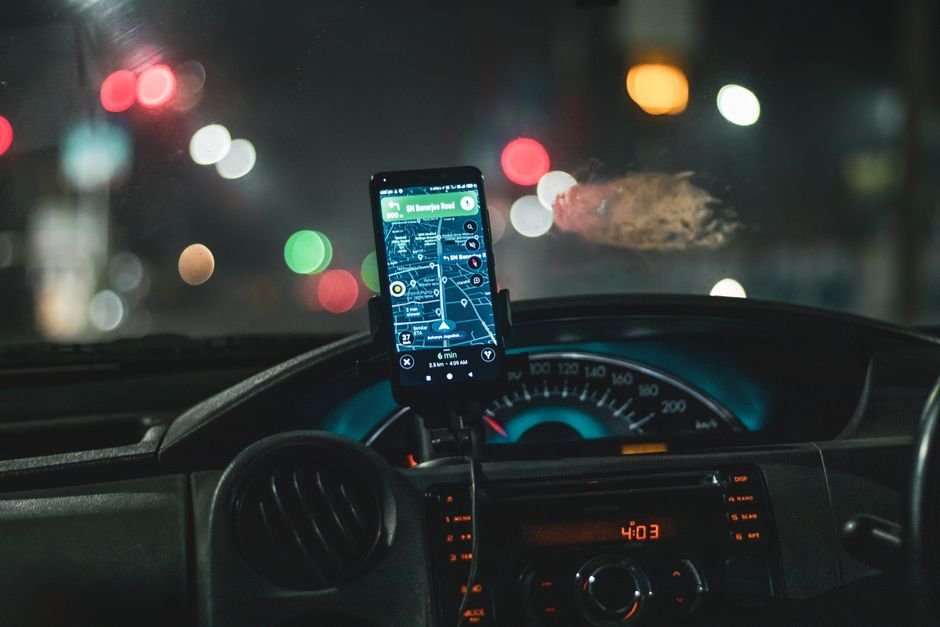
GPS devices may cost between $50 and $200, plus monthly service plans ranging from $5 to $30.
Over time, GPS tracking becomes significantly more expensive.
Battery Life Comparison
Bluetooth trackers usually outperform GPS devices in battery efficiency.
- Bluetooth trackers: several months to one year
- GPS trackers: several days to weeks
Frequent travelers may need portable chargers for GPS devices.
For a deeper look, see Chipolo's guide.
If that matters to you, our piece on travel portable charger vs charging goes further.
If that matters to you, our piece on travel portable charger vs charging goes further.
Conclusion
Both Bluetooth trackers and GPS trackers offer valuable protection for travelers, but they serve different purposes.
Bluetooth trackers are affordable, lightweight, and perfect for everyday travel items like luggage, wallets, and backpacks. They are best suited for travelers who want simple item recovery tools without paying monthly fees.
GPS trackers provide powerful real-time tracking, global coverage, and advanced security features. They are ideal for expensive belongings, international travel, outdoor adventures, and situations where constant monitoring matters.
For many travelers, the ideal setup may actually involve using both technologies together a Bluetooth tracker for everyday convenience and a GPS tracker for high-value items or critical travel situations.
Choosing the right tracker ultimately depends on your travel habits, budget, and level of security you need while exploring the world.