
Two of the most popular options are travel portable chargers and charging stations. In today’s connected world, keeping devices powered is no longer optional. Whether you are traveling for business, working remotely, studying, or simply enjoying a vacation, your smartphone, laptop, smartwatch, earbuds, and other electronics all need reliable charging solutions.
Although they may seem similar at first glance, they serve different purposes and are designed for different situations. Understanding the differences between these devices can help you make the right choice based on your lifestyle, travel habits, and charging needs.
This article explores travel portable chargers and charging stations in detail, including their features, benefits, drawbacks, ideal use cases, and key differences.
What Is a Travel Portable Charger?
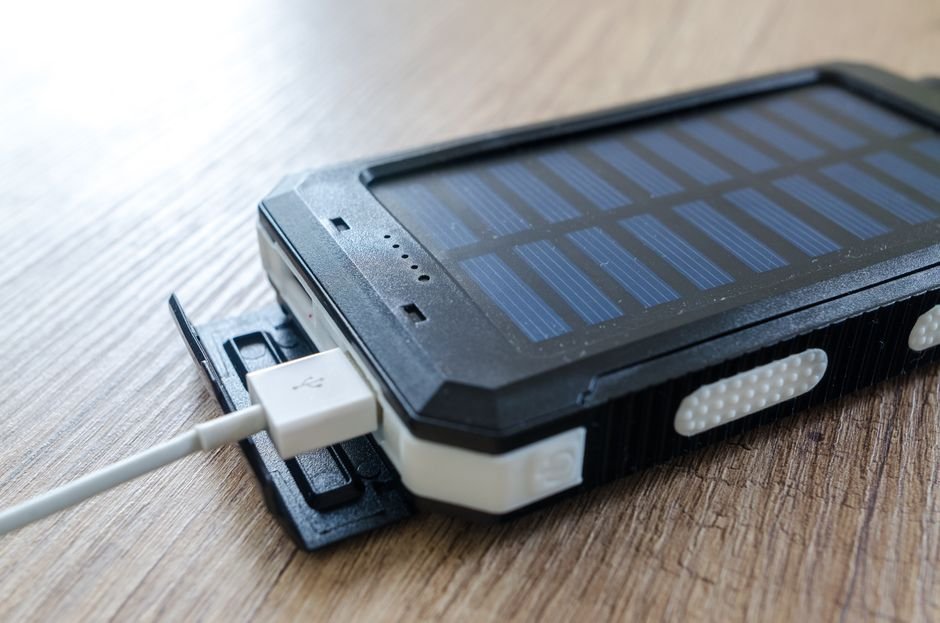
A travel portable charger, often called a power bank, is a compact battery-powered device that stores electrical energy and allows you to charge electronics while on the move. Portable chargers are especially useful when you do not have access to a wall outlet.
These chargers come in different sizes, capacities, and charging speeds. Most are designed to charge smartphones, tablets, wireless earbuds, cameras, and sometimes laptops.
Key Features of Travel Portable Chargers
Battery Storage
Portable chargers contain built-in rechargeable batteries that store power for later use.
Compact Design
Most models are lightweight and easy to carry in a backpack, purse, or pocket.
Multiple Charging Ports
Many portable chargers offer USB-A, USB-C, or wireless charging options for charging several devices simultaneously.
Fast Charging Support
Advanced power banks support technologies such as Power Delivery (PD) and Quick Charge for faster charging speeds.
Airline-Friendly Options
Travel-focused models comply with airline battery regulations, making them safe for air travel.
Advantages of Travel Portable Chargers
1. Portability
The biggest advantage is mobility. You can charge devices anywhere without needing access to electricity.
2. Emergency Backup Power
Portable chargers are excellent during emergencies, long flights, road trips, camping, or power outages.
3. Convenience for Travelers
Frequent travelers rely on power banks to keep phones and navigation devices operational during transit.
4. Compact and Lightweight
Modern portable chargers are designed for convenience and can fit easily into carry-on luggage.
5. Versatile Charging
Many portable chargers support a wide range of devices including phones, tablets, smartwatches, and laptops.
Disadvantages of Travel Portable Chargers
1. Limited Battery Capacity
Once depleted, the charger itself must be recharged before reuse.
2. Slower Charging Compared to Wall Power
Some power banks may charge devices more slowly than direct wall outlets.
3. Additional Weight
High-capacity chargers can become bulky and heavy.
4. Battery Degradation
Over time, rechargeable batteries lose efficiency and hold less charge.
What Is a Charging Station?
A charging station is a centralized charging hub designed to power multiple devices simultaneously through a single wall outlet. Unlike portable chargers, charging stations usually require direct electrical power and are intended for stationary use.
Charging stations are commonly used at home, offices, hotels, airports, and shared workspaces.
Key Features of Charging Stations
Multiple Device Charging
Most charging stations support charging several devices at once.
Organized Cable Management
Charging stations often include cable organizers or dedicated slots for devices.
Fast Power Delivery
Many stations provide high-wattage output for rapid charging.
Device Compatibility
They support smartphones, tablets, laptops, smartwatches, gaming accessories, and more.
Desktop or Bedside Design
Charging stations are built for fixed locations rather than mobility.
Advantages of Charging Stations
1. Charge Multiple Devices Simultaneously
Charging stations are ideal for households or professionals with many devices.
2. Faster Charging Speeds
Because they draw power directly from wall outlets, charging stations usually provide faster charging than portable power banks.
3. Reduced Cable Clutter
Many charging stations help organize cords and reduce workspace mess.
4. Ideal for Families and Offices
One charging station can serve multiple users at once.
5. High Power Output
Some charging stations can charge laptops, tablets, and smartphones together efficiently.
Disadvantages of Charging Stations
1. Lack of Portability
Most charging stations are not designed for use while traveling outdoors or during transit.
2. Dependence on Power Outlets
Without electricity, charging stations cannot function.
3. Larger Size
Charging stations are generally bulkier than portable chargers.
4. Less Useful During Emergencies
In power outages or remote areas, charging stations become ineffective unless connected to backup electricity.
Major Differences Between Travel Portable Chargers and Charging Stations
| Feature | Travel Portable Charger | Charging Station |
|---|---|---|
| Power Source | Internal battery | Wall outlet |
| Portability | Highly portable | Mostly stationary |
| Best For | Travel and emergencies | Homes and offices |
| Charging Capacity | Limited by battery size | Continuous power supply |
| Number of Devices | Usually 1–4 | Often 4–10+ |
| Charging Speed | Moderate to fast | Usually faster |
| Cable Management | Minimal | Often organized |
| Weight | Lightweight to moderate | Usually heavier |
| Use Without Electricity | Yes | No |
Which One Is Better for Travel?
If your primary goal is charging devices during flights, road trips, outdoor activities, or commuting, a travel portable charger is the better choice.
Portable chargers provide freedom and flexibility when electrical outlets are unavailable. They are especially valuable for:
- Frequent flyers
- Backpackers
- Business travelers
- Campers
- Digital nomads
- Students
For travel, look for features such as:
- Lightweight construction
- Fast charging support
- USB-C compatibility
- Airline-approved battery size
- Durable design
Which One Is Better for Home or Office Use?
A charging station is generally the better option for homes, offices, or shared spaces where multiple devices need regular charging.
Charging stations are ideal for:
- Families
- Remote workers
- Office desks
- Gaming setups
- Tech enthusiasts
- Shared workspaces
A good charging station offers:
- Multiple ports
- Smart power distribution
- Surge protection
- Fast charging technology
- Cable organization
Can You Use Both Together?
Yes. In fact, many people benefit from owning both devices.
A common setup includes:
- A charging station at home or work for daily charging
- A portable charger for travel and emergencies
This combination ensures your devices remain powered regardless of location.
Important Factors to Consider Before Buying
1. Battery Capacity
Portable chargers are measured in milliamp-hours (mAh). Higher capacity means more charging power but also more weight.
Common capacities include:
- 5,000mAh – Light everyday use
- 10,000mAh – Standard travel use
- 20,000mAh+ – Heavy travel or laptop charging
2. Number of Ports
Consider how many devices you need to charge simultaneously.
3. Charging Speed
Look for technologies like:
- USB Power Delivery (PD)
- Quick Charge (QC)
- GaN fast charging
4. Compatibility
Ensure the charger supports your smartphone, tablet, laptop, or wearable devices.
5. Size and Weight
Travelers may prefer compact models, while home users can prioritize power and features.
6. Safety Features
Choose products with:
- Overcharge protection
- Temperature control
- Short-circuit prevention
- Surge protection
Best Use Cases
When to Choose a Travel Portable Charger
Choose a portable charger if you:
- Travel frequently
- Spend time outdoors
- Need emergency backup power
- Commute long distances
- Work remotely on the go
When to Choose a Charging Station
Choose a charging station if you:
- Own multiple devices
- Need organized charging at home
- Share charging space with family or coworkers
- Want faster simultaneous charging
- Need desktop cable management
Future Trends in Charging Technology
Charging technology continues to evolve rapidly. Some emerging trends include:
Wireless Charging Expansion
More charging stations and portable chargers now support wireless charging standards.
GaN Technology
Gallium Nitride (GaN) chargers provide higher efficiency and smaller designs.
Solar Portable Chargers
Eco-friendly solar charging options are becoming more popular among outdoor travelers.

Smart Charging Systems
AI-powered charging systems optimize energy distribution and battery health.
For a deeper look, see Zagg's guide.
We cover travel neck fan vs portable in more depth separately.
We cover travel neck fan vs portable in more depth separately.
Conclusion
Both travel portable chargers and charging stations are valuable tools for modern device users, but they serve different purposes.
A travel portable charger is the best option for mobility, emergency backup, and charging on the go. It gives users independence from wall outlets and is essential for travelers and outdoor enthusiasts.
A charging station, on the other hand, excels in environments where multiple devices need fast, organized, and continuous charging. It is perfect for homes, offices, and shared spaces.
Ultimately, the right choice depends on your daily routine, number of devices, and charging habits. Many users find that combining both solutions offers the best balance of convenience, efficiency, and preparedness.