
A propane camping stove typically averages around $50 to $150 and stands out for its versatility and efficiency. It heats meals quickly and uses fuel more effectively than many competitors, making it an excellent choice for outdoor cooking.
Choosing a camping stove involves a balance of size, weight, fuel type, and cooking needs. Most seasoned campers agree that portable cooking equipment made for outdoor use should strike a balance between efficiency and ease of use. After all, when you’re out in the wild, simplicity and reliability make a world of difference, especially when you’re hungry after a long day of hiking.

Different Types of Camping Stoves
Camping stoves come in various styles, with the most common being propane, butane, and multi-fuel stoves. Propane stoves typically feature standard tank attachments and burn cleanly. As mentioned, their fuel efficiency is noteworthy, they often generate high BTUs per hour, which provides quick and even cooking.
Butane stoves, while lightweight and often more compact, struggle in colder weather. They perform well in milder conditions but could leave you frustrated trying to boil water in freezing temperatures. Multi-fuel stoves can burn various fuels (including gasoline, kerosene, and diesel), making them incredibly versatile. Nonetheless, they often come with a steeper learning curve and require more maintenance.
Key Factors to Consider
When you choose a camping stove, think about your travel habits and cooking styles. Weight matters, especially if you’re hiking. A lighter stove may mean sacrificing fuel efficiency or cooking power. For instance, a two-burner propane stove may feel bulky for solo trips, while a compact one-burner is perfect for lightweight camping gear.
Also, consider your average group size. For larger groups, a two or three-burner model can make meal preparation much smoother. It allows cooking multiple items simultaneously instead of one dish at a time, saving time when everyone is hungry.
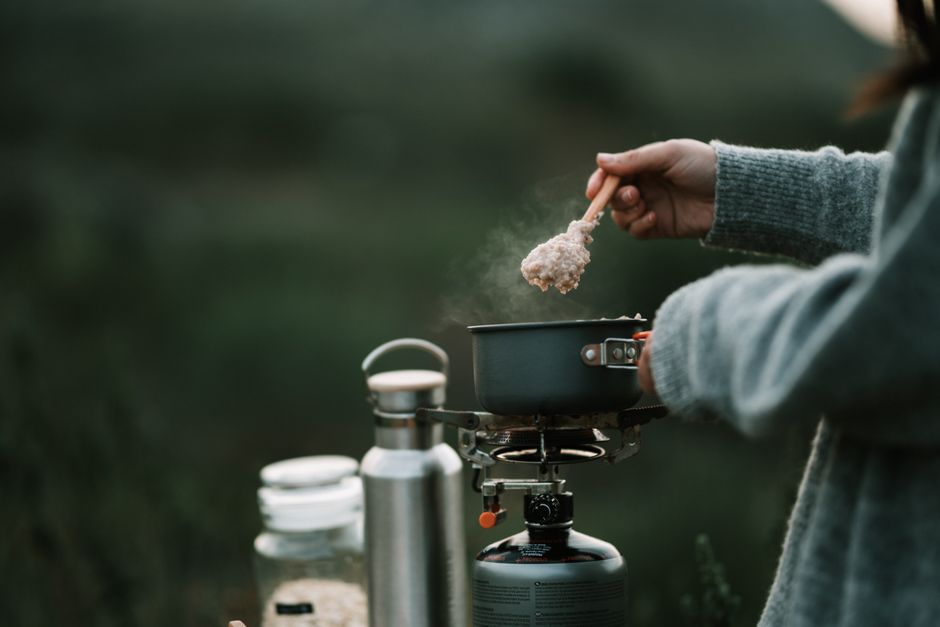
Choosing the Right Stove for Your Camping Needs
Think about where and how often you plan to camp. If you’re a weekend camper at established sites with easy access to propane tanks, a larger propane stove is a great choice. However, if you often trek through remote areas, consider a more portable option, like a canister stove.
One mistake many newcomers make is underestimating the importance of wind protection. Some stoves come with built-in shields, while others require you to purchase wind guards separately. If you’re camping in breezy locations, this can significantly affect performance.
Expert Tips
Don’t overlook maintenance. Keeping your stove clean can prolong its life and ensure efficiency. Always check for leaks or corrosion before each trip. If your stove uses canisters, store them correctly and avoid exposing them to extreme temperatures. Depending on usage, fully sealed canisters can last quite a while, but their longevity will depend on your outdoor cooking habits.
If you’re curious about lightweight options or more detailed stoves, I recommend checking articles on specific product research. You can explore “How to Choose a Backpacking Stove for Your Outdoor Adventures” found here.
Common Mistakes to Avoid
Many first-time campers make the mistake of overlooking compatibility. Not every stove works with every fuel type, and even propane tanks come in various sizes that might not fit all propane stoves. Always double-check compatibility to avoid frustration at the campsite.
Storage is another aspect often underestimated. Fuel canisters and stove parts can occupy more space than expected. Consider a packing strategy that allocates room for your stove and fuel without overloading your gear.
Product Recommendations
The Camp Chef Explorer 2 Burner Stove stands out for its performance and durability. It delivers a whopping 30,000 BTUs per burner and is suited for larger groups. Conversely, the MSR PocketRocket 2 is one of the best lightweight options, perfect for solo hikers who prioritize portability and speed.
Ultimately, the choice between these options depends on your preferences and cooking volume. If you’re keen on making complex meals, go for the more robust propane stove. If you want a lightweight companion for simple dishes, choose a canister stove.
The Verdict
For the best camping stove, a propane model is recommended for its efficiency and ability to serve larger groups. If you often hike solo or want to keep your pack light, a quality canister stove will meet your needs. For those needing fuel flexibility, consider a multi-fuel stove, though this is more suitable for experienced campers. If you’re unsure about what camping stove is best, more information can be found here.
Related reading: quilt which is better.
Frequently Asked Questions
How do I choose the best camping stove?
To choose the best camping stove, consider factors such as the type of cooking you plan to do, the stove's size and weight, and its fuel type. Think about how many people you will be cooking for and how much space you have in your gear.
Why are portable stoves essential for camping?
Portable stoves are essential for camping as they provide a reliable and convenient cooking solution away from home. They allow campers to prepare hot meals, which contribute to comfort and nutrition during outdoor trips.
What fuels are best for camping stoves?
The best fuels for camping stoves include propane, butane, and isobutane canisters, as well as liquid fuels like white gas or alcohol. The choice of fuel often depends on the stove design and your preferences for efficiency and ease of use.
Can you use a camping stove in winter conditions?
Yes, camping stoves can be used in winter conditions, but it's important to choose a stove designed for cold weather. Additionally, using windshields and insulating fuel canisters can improve performance in low temperatures.
Is a two-burner stove worth the extra weight?
A two-burner stove is often worth the extra weight if you're cooking for multiple people or want to prepare different dishes simultaneously. The added convenience can enhance the cooking experience, particularly on longer camping trips.