
Over 50% of campers find themselves torn between using a sleeping bag or a sleeping quilt. Each option has unique features that can impact your comfort and outdoor experience. Recognizing these differences is key to selecting the choice that aligns with your camping style and climate.
The primary difference lies in how these two options provide warmth and comfort. A sleeping bag is a fully enclosed cocoon, while a sleeping quilt resembles a blanket with minimal insulation underneath. Both serve the purpose of keeping you warm, but they do so in very different ways.
As someone who has spent hours researching and testing various options, I’m here to share insights that could help you navigate this decision.
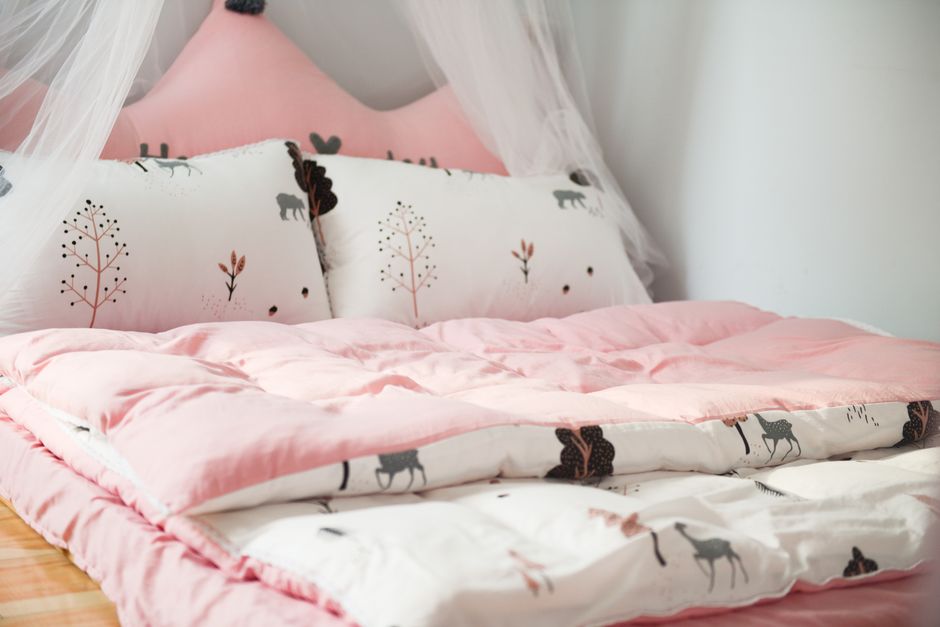
Sleeping Bags: The Classic Choice
Sleeping bags are traditionally designed as insulated cocoons, usually constructed with a durable outer shell and filled with materials like down or synthetic fibers. This design fully encases you and eliminates cold air drafts, which is why they are often the go-to for people camping in colder conditions.
The enclosed space also tends to provide a better thermal insulation rating, which is an important factor to consider.
For instance, a good sleeping bag will often range from 20°F to 0°F for colder climates, meaning you can confidently camp in chilly conditions. However, it’s essential to note that not all sleeping bags are created equal, as the choice of materials significantly affects warmth-to-weight ratios and packability.
You might find that a down fill offers superior warmth with less weight, but it comes at a higher price point.
Quilts: A Lightweight Alternative
While sleeping bags may be a time-tested choice, sleeping quilts have gained attention for their versatility and lighter weight. Quilts often lack a full enclosure, making them feel more like a traditional blanket while still providing surprisingly good insulation. The open design allows you to adjust your coverage as needed, and they can be more comfortable when moving around during the night.
Sleep quilts typically weigh less than sleeping bags, making them an attractive option for minimalist backpackers. However, many users find that when the temperature drops, they need to ensure they’re using a sleeping pad with good insulation to avoid heat loss beneath them.
A major point of confusion comes from underestimating how much warmth a sleeping pad contributes; if you don’t pack sufficiently insulated pads, you may find yourself feeling much colder than expected.
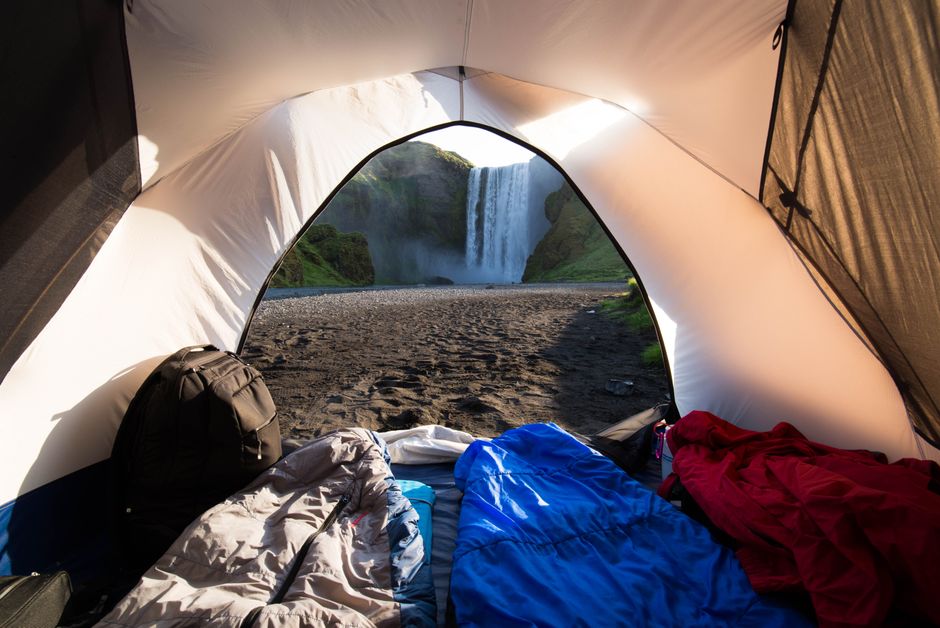
Comfort Levels
When it comes to comfort, personal preference plays a significant role. Sleeping bags may offer a feeling of security, as they encase you, giving a cozy and snug sensation. However, this design can feel restrictive to some, making it challenging to move or shift positions throughout the night. On the other hand, quilts provide more freedom to turn and shift, which many people find refreshing.
With that said, comfort can be subjective depending on the weather conditions. On warmer nights, a sleeping bag might feel too suffocating; while a quilt can be easily adjusted or kicked off. Conversely, when temperatures drop, a sleeping bag can keep all the warmth in, making it an undeniably comforting choice.
Comparing Weight and Packability
For backpackers especially, weight and packability are essential considerations. Generally, sleeping quilts are lighter and pack more compactly than sleeping bags. A typical sleeping bag can weigh anywhere from 2-5 pounds, while a sleeping quilt usually weighs about 1-3 pounds, making a significant difference when you’re carrying your gear for miles.
However, keep in mind that while quilts are lightweight, it’s necessary to pair them with a high-quality sleeping pad, which can add back some weight. Those who choose quilts tend to prioritize ultralight options that still deliver adequate insulation. In my experience, balancing these elements can seem daunting, but it often leads to better overall performance in the backcountry.
Durability and Maintenance
Durability is another important aspect to weigh in on. Sleeping bags, especially those with high-quality shells, can last for many years, but they require proper maintenance to keep the insulation functioning effectively. This often includes regular cleaning and proper storage when not in use. On the contrary, quilts typically have fewer materials at play and may require less maintenance.
However, the exposure of the underside to the sleeping pad can lead to wear if you’re not careful.
Choosing a sleeping bag often means dealing with zippers that can break or snag, while quilts generally come as a simple, streamlined design. For people who prefer less fuss, the quilt may offer a more straightforward option.
Common Mistakes When Choosing
One of the most frequent mistakes people make is solely focusing on weight, neglecting insulation needs per season. A lightweight option may seem appealing, but never compromising on thermal insulation should be your foremost priority. Opting for a bag or quilt that’s too light for your expected temperatures can lead to miserable nights outdoors.
Additionally, many buyers overlook the importance of compatibility between their sleeping bags or quilts and sleeping pads. Not considering this can lead to ineffective heat retention and uncomfortable nights. So if you decide to invest in a quilt, ensure you also carry a sleeping pad with appropriate insulation to match your needs.
A Clear Winner
For those camping in colder conditions, a sleeping bag is the best option, providing effective insulation and warmth. Sleeping quilts are more suitable for minimalist backpackers focusing on weight and flexibility in warmer weather. Choose based on your climate and comfort needs to enhance your outdoor adventure. In the debate of sleeping bag vs sleeping quilt, understanding your preferences will guide your decision.
We cover camping gear for comfortable in more depth separately.
Frequently Asked Questions
Can I use a sleeping bag for all seasons?
While some sleeping bags are rated for multiple seasons, not all bags are suitable for year-round use. Always check the temperature rating and choose according to your expected conditions.
Are quilts as warm as sleeping bags?
Quilts can be as warm as sleeping bags, but insulation performance largely depends on factors such as sleeping pad quality and proper use. Make sure to choose quilts with adequate fill power for cold weather.
How do I choose the right sleeping bag or quilt size?
Choose a sleeping bag or quilt based on your height and whether you prefer extra room to move. Many brands offer specific sizes or short, regular, and long options for better fit.
Can I wash my sleeping bag or quilt?
Yes, most sleeping bags and quilts can be washed, but check the care guidelines first. Using a front-loading machine on a gentle cycle is often recommended.