
What to pack for a budget camping trip includes essentials like a lightweight tent, sleeping bag rated for 3 seasons, and a portable stove, all of which can be sourced for under $200. By prioritizing these key items and employing cost-effective strategies, you can embark on a memorable outdoor adventure without straining your wallet. This guide offers practical tips for optimizing your camping experience on a budget.
A common misconception is that high-end gear is necessary for enjoyable camping. In reality, many budget campers discover that wisely choosing a few key items significantly enhances their experience without substantial spending. Prioritizing essentials like a lightweight tent can make all the difference.
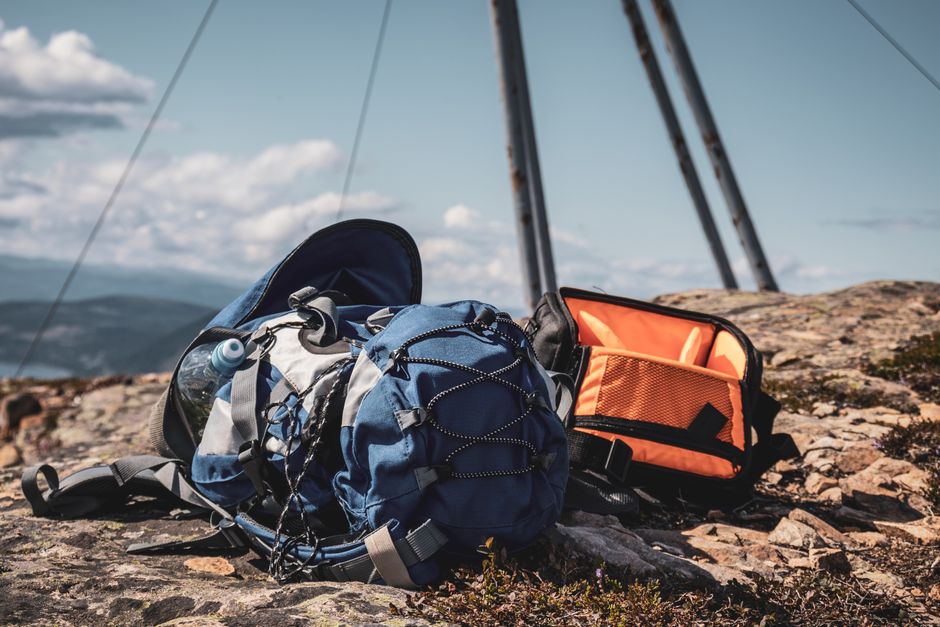
Essential Gear to Bring
When packing for a budget camping trip, focus on essential gear. A lightweight tent is non-negotiable; good options are available for under $100. These budget-friendly tents can effectively shield you from rain and wind, though they may lack some features of high-end models.
A quality sleeping bag is another critical component of your camping setup. Choose one rated for temperatures slightly cooler than what you expect, ensuring adequate warmth. Look for synthetic materials that dry quickly and provide good insulation without significant expense. Insulating sleeping pads are also affordable and can greatly improve your comfort at night.
Smart Cooking Solutions
Meal preparation while camping can easily become a budget buster. A reliable camping stove will usually cover your cooking needs. If you’re not a frequent camper, consider renting a multi-functional stove to avoid purchase costs. Many local outdoor shops offer rentals or friends may lend you gear, which can enhance your camping experience without straining your finances.
Selecting meals that need few ingredients and simple tools is another effective way to stay within budget. Ingredients like rice, beans, and canned vegetables are versatile and inexpensive. A lightweight mess kit will keep your cooking organized while keeping cooking time to a minimum.
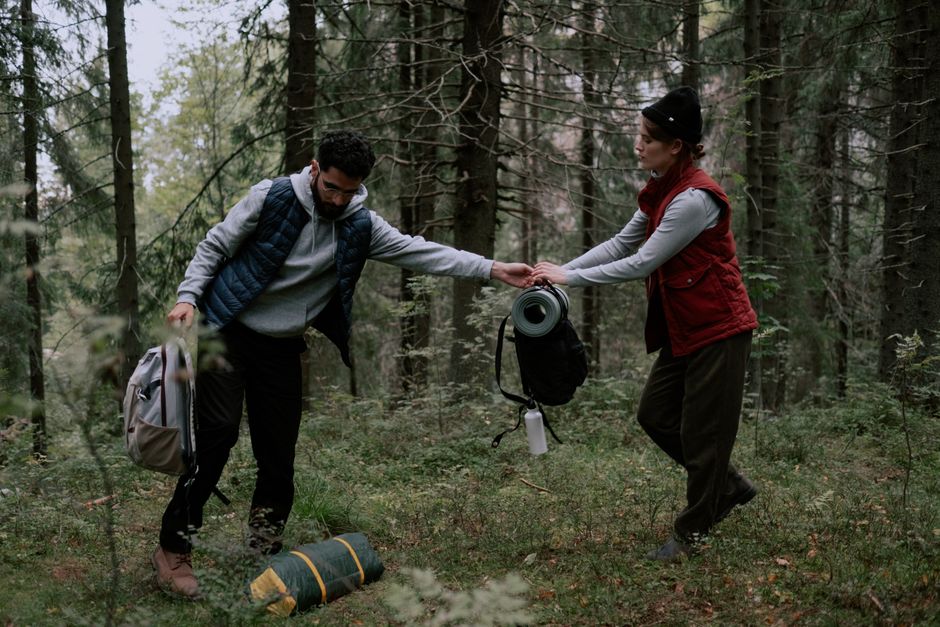
Food Packing Tips That Save
Planning your meals before your trip is crucial for maintaining a budget. Create a menu that uses similar ingredients to limit your shopping list. Prioritize fresh produce but also incorporate non-perishable foods, which stay good over several days and help minimize waste.
- Opt for dehydrated or freeze-dried meals to reduce cooking time and cleanup.
- Power up on trail mix or energy bars made from nuts and dried fruits for hiking snacks.
- Bringing a refillable water bottle along with a filter or purification tablets can eliminate bottled water costs.
Prepare a First Aid Kit
A first aid kit is essential but often overlooked. Instead of purchasing a pre-made kit, you can assemble a basic one yourself for less. Include band-aids, antiseptic wipes, pain relievers, and any personal medications. By taking this step, you’ll be ready for minor injuries and have peace of mind during your trip.
Selecting your campsite wisely also contributes to safety and savings. Opt for established sites that are either free or have low fees, which can usually be found with a few clicks on dedicated apps. These locations often provide basic amenities at a fraction of the cost of more popular campgrounds.
DIY Gear Enhancements
Hidden costs can also lurk in your gear choices. Instead of splurging on high-priced camping furniture, consider DIY projects. For instance, lightweight chairs made from fabric and trekking poles can be easy to set up. Seeking multiple uses from your gear amplifies functionalities without additional expenses.
Using reusable items can significantly cut down on both waste and expenses. Pack reusable utensils, plates, and containers, which outperform disposable alternatives and save money over time.
Transportation Cost Savings
If you’re driving to your camping site, consider carpooling to split fuel and travel costs. For those hiking in, ensure you pack light to minimize weight and save on transport costs. Choosing a fuel-efficient vehicle can add to your savings as well.
Timing can also produce significant savings, camping during off-peak seasons often results in lower fees, especially for popular sites. Opt for weekdays to encounter fewer campers, leading to both tranquility and cost efficiency.
Recommendations for Budget Camping
Packing strategically for a budget camping trip centers on prioritizing essential items, meal planning, and utilizing DIY solutions. Invest in a durable sleeping bag and a reliable tent; these investments will noticeably enhance both comfort and overall experience. By creatively managing your budget and preparing your own meals, you’ll enjoy both savings and the authentic camping experience.
With strong planning and a commitment to cost-effective choices, you can confidently embark on a memorable outdoor adventure that won’t break the bank.
Frequently Asked Questions
What are the must-have items for a camping trip?
Must-have items for a camping trip include a durable tent, sleeping bag, and sleeping pad for comfort. Additionally, pack essential cooking gear, a reliable cooler for food storage, and basic safety items like a first aid kit.
How do you pack food for a camping trip?
When packing food for a camping trip, prioritize non-perishable items such as canned goods, dried fruits, and nuts. Use a cooler with ice packs for perishables, and opt for easy-to-cook options like pre-marinated meats or instant oatmeal to minimize preparation time.
Can you camp without spending a lot of money?
Yes, you can camp without spending a lot of money by choosing budget-friendly campgrounds and utilizing gear you already own. Consider borrowing equipment or shopping at thrift stores for camping gear to further reduce costs.
What are cost-saving tips for camping?
To save costs while camping, plan meals ahead to avoid last-minute purchases and consider bringing reusable dishware. Additionally, camping during the off-peak season can lead to lower rates for campsites.
How do you prepare for a budget camping trip?
Prepare for a budget camping trip by creating a detailed packing list of necessary gear and food, and arranging transportation that minimizes costs. Research free or low-cost campsites in advance and check for any required permits or reservations.