
Camping should be about enjoying nature and relaxing, not about leaving behind a trail of garbage and disruption. Many people underestimate their impact on the environment, which can lead to unnecessary damage. The principle of “Leave No Trace” isn’t just a guideline; it’s a commitment to preserving the beauty we all enjoy.
Here’s how to camp without leaving a trace, based on my careful research and personal insights.
Every action you take in the wild can have a lasting effect. From choosing the right site to disposing of waste properly, it all matters. By implementing these seven essential tips, you can enjoy mother nature while also showing respect for her.
!
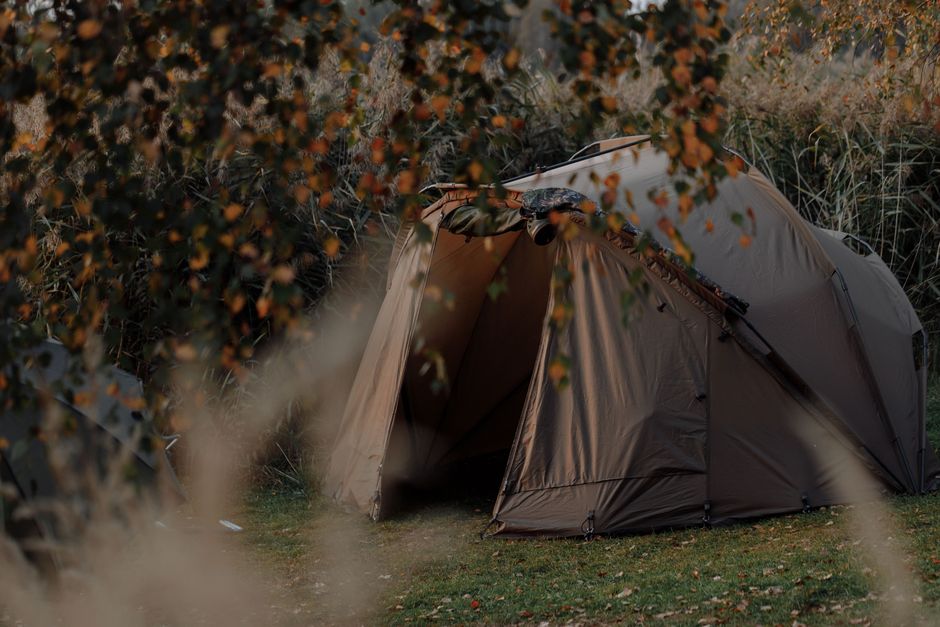
Master the Leave No Trace Principles
It’s vital to start with a solid understanding of the Leave No Trace principles. The seven core principles include planning ahead, camping on durable surfaces, properly disposing of waste, minimizing campfire impact, respecting wildlife, and being considerate of other visitors. These principles don’t just guide you, they empower you to be a responsible camper, enhancing both your experience and that of those around you.
One common mistake is failing to plan. I’ve witnessed numerous campers struggle simply because they didn’t prepare. Check your desired area for regulations regarding campfires and wildlife interactions. Understanding these rules can prevent you from making harmful choices that could affect the environment and tip the ecosystem out of balance.
Choose the Right Campsite
Selecting a campsite that doesn’t disturb the delicate environment is crucial. Aim for spots that are already cleared or established, as they lessen the chances of trampling vegetation. Avoid areas that show signs of wildlife activity, including tracks or droppings, as this could disturb their natural habits.
Look for durable surfaces like gravel, sand, or earth rather than delicate plants or flowers. This not only helps maintain the ecosystem but also keeps you safe from unwanted encounters with nature’s inhabitants. Choosing wisely here can make all the difference.
Gear Selection for Minimal Impact
The gear you choose should also align with sustainable camping practices. Lightweight and compact equipment reduces the weight you carry and minimizes your impact. Opt for biodegradable products whenever possible, including soap and toilet paper, to lessen chemical residues in the environment.
I always prioritize multi-use items. For instance, a cooking pot can double as a food container, reducing the number of items in your pack. This strategy not only lightens your load but also cuts down on waste. When packing, make sure to keep everything organized; it prevents spills and messes, which can attract unwanted wildlife.
!

Leave What You Find
Respect for nature means leaving behind the beauty you encounter. Collecting rocks, plants, or even artifacts disrupts the local ecosystem and deprives others of the experience. Even taking an extra pinecone home can send ripples through the local habitat.
Instead, appreciate the natural beauty around you without trying to collect pieces of it. I often snap photos or write in my journal to capture the experience, ensuring that I am leaving nature untouched. This way, you contribute to the preservation of our destinations for future adventurers.
Dispose of Waste Properly
Waste management is a significant element of sustainable camping. Carry a trash bag and adhere to the “pack it in, pack it out” philosophy. Every morsel of food waste, wrappers, and other rubbish should return with you.
When it comes to human waste, dig a hole at least 200 feet from water sources, trails, and your campsite. Aim for a depth of at least six inches. If you are in an area with high traffic, consider a portable toilet system. I’ve found these to be both efficient and respectful toward the environment, especially in isolated areas.
Understand Campfire Impact
Campfires can leave a lengthy impact, affecting soil and vegetation around your site. If you choose to have one, use established fire rings. Otherwise, consider cooking with a camp stovewhich is often a more environmentally friendly option. It minimizes damage to the ground while boosting your cooking efficiency.
Always collect dead and downed wood for fuel instead of chopping down live trees or shrubs. Also, practice safe fire management by ensuring that your fire is fully extinguished before leaving the area. This diligence prevents potentially devastating wildfires and conserves local wildlife. For cooking safely while camping, I wrote a detailed guide on that here: How to Cook on a Campfire Safely.
Respect Wildlife
Encountering wildlife can be the highlight of a camping trip, but those experiences need to be conducted respectfully. Keep a safe distance from animals, and never feed them. Feeding wildlife not only alters their natural behavior but can also pose risks to their health.
Store food securely, either in bear-proof containers or hanging from a tree to prevent unwanted visits. This common-sense approach benefits both you and the animals. I’ve seen many trips ruined because a raccoon or bear made a surprise appearance, drawn in by carelessly stored food.
Be Considerate of Other Visitors
Lastly, remember that you share the great outdoors with fellow campers and nature enthusiasts. Keep noise levels down, especially at night, and respect the space of others by keeping your distance while allowing for a common area.
If you encounter other campers, greet them warmly but don’t intrude; this fosters a positive atmosphere for everyone. I find that such consideration enriches my own experience, creates a sense of community, and enhances the joy of being in nature.
Ultimately, camping without leaving a trace requires awareness and intention. By understanding the implications of your actions, you make a tangible difference, proving that you can enjoy nature without causing harm. So gear up wisely, leave no mark, and embrace your adventures responsibly. Are you ready to make your next outing one that respects the Earth?
Frequently Asked Questions
How can I camp without harming the environment?
To camp without harming the environment, choose durable surfaces like gravel or established trails for your campsite, and avoid trampling on vegetation. Additionally, minimize campfire use by bringing a camping stove and ensure any fires you do have are built in designated fire rings.
What are the principles of leave no trace camping?
The principles of leave no trace camping include planning ahead and preparing, camping on durable surfaces, disposing of waste properly, leaving what you find, minimizing campfire impact, respecting wildlife, and being considerate of other visitors. Each principle helps protect natural areas and ensures that the experience is enjoyable for everyone.
Why is low impact camping important?
Low impact camping is essential to preserve natural ecosystems and wildlife habitats, allowing future generations to enjoy the beauty of the outdoors. It also helps prevent environmental degradation and promotes sustainable use of public lands.
How do I manage waste while camping?
To manage waste while camping, pack out all your trash, leftover food, and hygiene products, and use biodegradable soap for cleaning. If you're in an area without restroom facilities, use a portable toilet or bury human waste at least 6-8 inches deep and at least 200 feet away from water sources.
Can camping be sustainable and enjoyable?
Yes, camping can be both sustainable and enjoyable by following eco-friendly practices that minimize your environmental footprint. Engaging with nature respectfully and responsibly enhances the experience, allowing campers to appreciate the beauty of the outdoors while preserving it for others.