
The best practices for outdoor cooking safety include keeping a fire extinguisher nearby and ensuring that food is cooked at the correct temperatures to prevent foodborne illnesses. By carefully managing fire risks and adhering to essential food safety standards, you can enjoy a pleasant outdoor cooking experience while keeping accidents at bay.
This guide outlines seven essential best practices for outdoor cooking safety. These tips will help you avoid dangers like fires and foodborne illnesses while enhancing your overall cooking experience in the great outdoors.
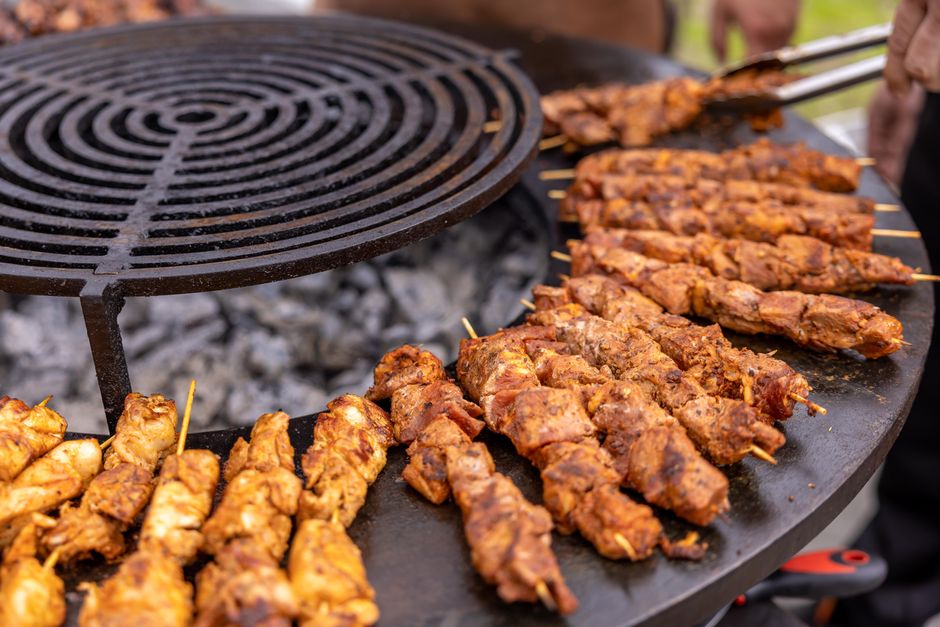
1. Keep the Cooking Area Clear
Before you start cooking, clear the area of any flammable materials, such as dry leaves, wood piles, or debris. This practice significantly reduces the risk of fire, especially in dry conditions. A clean cooking space also helps you focus on preparing your meal without distractions.
Time 5 minutes | Serves N/A | Difficulty Easy
Key ingredients: clean surface, clear area, flammable materials checked, safe space marked, good ventilation.
One practical tip: Always select a designated cooking area away from tents and shelters.
2. Keep a Fire Extinguisher Handy
Having a fire extinguisher rated for grease and electrical fires is vital. Many overlook this essential gear, but quick access can prevent property damage and personal injury in emergencies. Always have it within reach to act fast if needed.
Time 2 minutes | Serves N/A | Difficulty Easy
Key ingredients: fire extinguisher, knowledge of operation, safe distance, accessible locations.
One practical tip: Regularly check that your fire extinguisher is charged and functional.
3. Monitor Weather Conditions
Cooking in high winds or rain can be dangerous. Wind can topple portable grills, and wet conditions make fires harder to control. Always check the weather forecast before cooking and don’t hesitate to postpone if conditions are unfavorable.
Time 5 minutes | Serves N/A | Difficulty Easy
Key ingredients: local weather report, monitoring tools, prep plans, alternative plans, safe cooking equipment.
One practical tip: If conditions are too windy, choose to cook indoors or in a sheltered area.
4. Ensure Proper Ventilation
Inadequate ventilation leads to smoke inhalation, especially in confined spaces. Always cook outdoors or ensure proper airflow if cooking in a shelter. This helps disperse smoke and prevent harmful carbon monoxide buildup.
Time 10 seconds | Serves N/A | Difficulty Easy
Key ingredients: charcoal grillopen space, screened area, airflow options, cooking tools.
One practical tip: Position your grill downwind from seating areas to keep smoke from guests.
5. Separate Raw and Cooked Foods
Cross-contamination is a major cause of foodborne illnesses. Use separate utensils and plates for raw and cooked foods. Color-coded cutting boards can simplify this and help maintain hygiene.
Time 5 minutes | Serves N/A | Difficulty Easy
Key ingredients: color-coded cutting boards, separate utensils, food storage containers, awareness of cross-contamination.
One practical tip: Store raw meats on the bottom shelf of coolers to avoid spills.
6. Cook Food Thoroughly
Using a food thermometer is essential for ensuring meats reach safe internal temperatures, such as 165°F (74°C) for poultry. This protects your health and ensures a safe meal for everyone.
Time 10 minutes | Serves N/A | Difficulty Easy
Key ingredients: food thermometer, understanding of temperature guidelines, planned cooking times, types of meat.
One practical tip: Clean the thermometer between uses to prevent cross-contamination.

7. Stay Attentive While Cooking
Staying focused while cooking is crucial. Never leave a grill or campfire unattended, as this increases the risk of flare-ups or injuries. If you need to step away, have someone watch the cooking area in your absence.
Time N/A | Serves N/A | Difficulty Easy
Key ingredients: cooking team, fire management protocols, attention span, emergency plans.
One practical tip: Set a timer to remind you to check on your food regularly.
Plan Your Outdoor Cooking Effectively
When planning your outdoor cooking, consider the time available and your skill level. For quick meals, opt for simple recipes and processes that require less monitoring. For leisurely cookouts, explore advanced techniques that need longer cooking times.
Additionally, plan meals using ingredients you already have to reduce waste and streamline the cooking process. If you’re interested in compact equipment, check out my guide on small camping stoves for further assistance.
Frequently Asked Questions
What are the risks of outdoor cooking?
Outdoor cooking poses several risks, including fire hazards, foodborne illnesses, and injuries from handling hot equipment or sharp utensils. Wind can worsen fire hazards, while pests may compromise food safety.
How can I ensure safety while grilling outdoors?
Ensure safety while grilling by keeping flammable materials away from the grill and always monitoring it during use. Use proper tools and wear protective gear like heat-resistant gloves to avoid burns or accidents.
Why is food handling important in camp cooking?
Proper food handling is vital in camp cooking to prevent foodborne illnesses caused by bacteria growth from improper food storage or cooking. Keeping raw and cooked foods separate and using clean utensils are essential practices.
Is it safe to cook during bad weather?
Cooking in bad weather can be risky, especially in windy or rainy conditions, which complicate fire management. Opt for shelter to protect your cooking setup or prioritize safety over convenience.
Can a portable grill be used on a wooden deck?
Using a portable grill on a wooden deck can pose fire risks and is generally not recommended without precautions. If necessary, ensure ample spacing from combustible materials and consider using a grill mat for added protection.