
Choosing a small camping stove can dictate whether you enjoy a warm meal after a long day outdoors or face a cold dinner. An ideal stove balances weight, fuel efficiency, and cooking performance. With options available that weigh as little as a pound, it’s essential to make an informed choice tailored to your trip’s demands.
The choices can be overwhelming. Clarifying your camping style, whether a quick weekend trip or an extended backcountry hike, will help narrow your options. Finding a stove that’s compact enough for backpacking while still offering adequate cooking power is crucial.

Who Should Use a Small Camping Stove?
Lightweight backpackers will find a small camping stove indispensable. Most models weigh under two pounds, like the MSR PocketRocket, easily fitting into a pack while supplying essential cooking capabilities. Families looking to reduce pack weight during camping trips also benefit from these stoves, allowing for meals without excessive bulk.
Conversely, for those setting up base camps with less concern about weight, larger stoves may offer enhanced cooking functionalities and stability for preparing more complex meals. Understanding your camping style will lead you toward the best choice.
Size Matters: Choosing the Right Camping Stove
Weight and size significantly affect usability. Many backpackers mistakenly believe that a larger stove is necessary for effective cooking. Compact models can deliver impressive performance; for instance, some stoves boil water in three to four minutes, efficient for dehydrated meals or coffee after a long hike. Smaller stoves provide easier packing and reduce strain on your back.
Nevertheless, caution against overly compact designs is advised. Stoves with narrow bases can tip over, especially on uneven terrain. Testing your setup in various conditions beforehand is wise to ensure stability, potentially including wind blocks as needed for safe cooking.
Camp Stove Fuels: Weighing Your Options
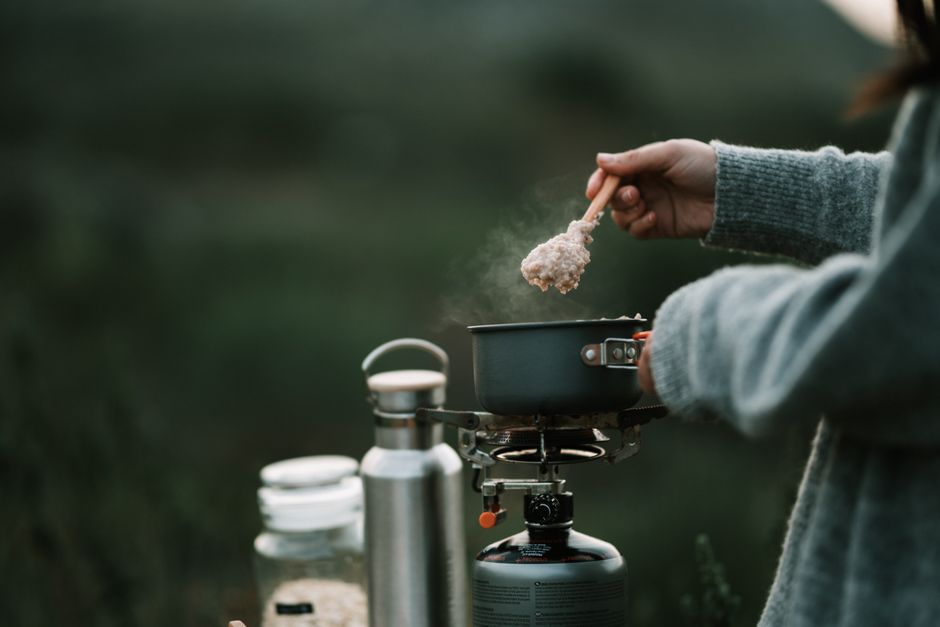
The type of fuel matters, with each option presenting its pros and cons. Liquid fuels, while versatile, require careful handling during refueling. In contrast, gas canisters provide superior efficiency and ease but require accessibility for replacements. Research indicates that canister stoves, like those from Jetboil, are especially user-friendly for beginners.
If planning a lengthy backcountry trip, consider dual-fuel stoves that accept both gas canisters and liquid fuel, offering flexibility in fuel sourcing. However, be mindful that these models tend to be bulkier and heavier than single-fuel alternatives.
Cooking Performance: What Can You Expect?
Keep in mind a small camping stove isn’t a replacement for your home kitchen. These stoves excel at boiling water and reheating meals rather than gourmet cooking. Most designs heat up quickly, making them useful for rapidly boiling water for dehydrated meals or drinks.
Observe that cooking times can vary significantly; some models boil a liter of water in under four minutes, while less efficient options may take eight or longer.
For those focused on complex, flavorful meals, consider stoves equipped with simmering controls, which allow for slower cooking, though expect longer prep times compared to home cooking practices.
Stability and Safety: Key Considerations
Stability should be a priority when using a small camping stove. Lightweight designs can lead to tipping, particularly in windy weather. Opt for stoves with wider bases and consider adding pot stands or stabilizing platforms for safer cooking, preventing spills or accidents.
Safety factors into your choice as well. Cooking indoors or in poorly ventilated areas increases the risk of carbon monoxide buildup, making stoves unsuitable without proper ventilation. Always refer to operational guidelines and choose outdoor cooking spaces when uncertain.
Avoid These Common Mistakes When Selecting Your Stove
Beginner campers often neglect to test their equipment before hitting the trail. Setting up your stove at home eliminates potential setup challenges in the wilderness. Additionally, failing to consider fuel efficiency can lead to increased costs on longer trips. Choose a model that balances performance and fuel consumption to avoid running out of fuel.
Expert Tips for Optimizing Your Camping Stove Usage
To enhance your camping stove experience, prepare food ahead of your trip. Pre-cooking and dehydrating meals save time and lessen the cooking burden. Additionally, using lightweight pots suited to your stove type improves efficiency and eases cleanup.
Wind can severely impact stove performance; create windbreaks from natural materials to improve cooking stability. Always evaluate the stove’s performance in various weather conditions to understand its capabilities fully.
Your Ideal Small Camping Stove: A Clear Choice
The right small camping stove is contingent on personal cooking needs and camping style. Backpackers focused on weight and efficiency should consider the MSR PocketRocket for its lightweight design and rapid boil times. For those desiring dual-fuel capabilities with expanded cooking options, investing in a more versatile model, albeit heavier, is wise.
For families or those camping in one location, opt for more substantial stoves that prioritize stability and safety. Carefully assessing your needs will ensure you select a stove that meets the demands of your adventures.
See also our take on sleeping bag.
Our write-up on summer camping picks up where this leaves off.
Frequently Asked Questions
What is the most efficient small camping stove?
The most efficient small camping stove is often considered to be the jet-powered models, like the Jetboil MiniMo, which utilize a closed system to heat water quickly while minimizing fuel consumption. These stoves are designed to provide rapid boiling times and maintain efficiency even in windy conditions.
How does a portable stove work?
A portable stove typically works by burning fuel, such as propane or butane, to create heat for cooking. The fuel is contained in a canister or bottle, and once ignited, it generates a flame that can be adjusted for cooking various foods.
Can you use a backpacking stove indoors?
Using a backpacking stove indoors is generally not recommended due to the risk of carbon monoxide poisoning and fire hazards. These stoves are designed for outdoor use, where ventilation is available to safely dissipate fumes.
Why choose a small camping stove over a large one?
Choosing a small camping stove over a large one offers advantages such as portability, lighter weight, and easier storage in tight spaces. They are more convenient for solo campers or small groups, allowing for efficient meal preparation without the bulk.
Is a gas or electric camping stove better?
The choice between a gas or electric camping stove depends on your specific needs and camping environment. Gas stoves offer greater portability and independence from power sources, while electric stoves provide consistent heat when plugged in but require access to electricity.