
Camping stove propane options provide superior performance for outdoor cooking, ensuring efficiency and convenience. By choosing the right propane stove, campers can easily prepare meals without the frustrations associated with lesser models, enhancing the overall camping experience. Understanding the features and specifications of these stoves can make a significant difference in your cooking adventures in the wild.
Camping stove propane offers practical advantages that become apparent in real-world scenarios. For example, boiling water for coffee or sautéing vegetables can vary drastically depending on the stove’s efficiency and design, impacting both meal quality and cooking ease.

The Mechanics of Propane Camping Stoves
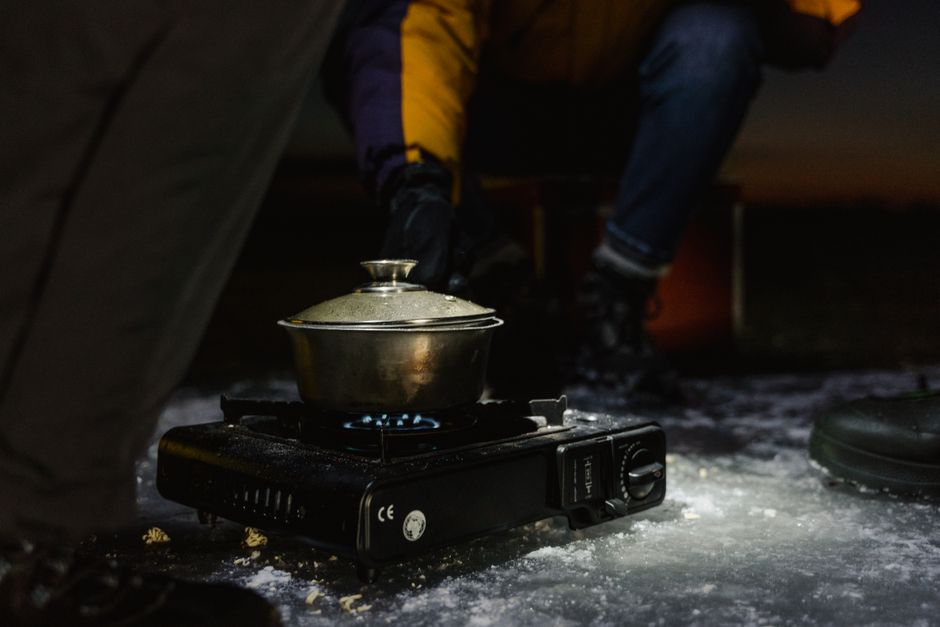
Propane camping stoves work by igniting propane gas to create an open flame for outdoor cooking. Typically available in single or two-burner configurations, these stoves utilize removable propane canisters as fuel, allowing for convenient use almost anywhere.
However, propane stoves may struggle in windy conditions. For instance, a gusty day can extinguish the flame, requiring you to shield the stove or time ignitions perfectly, adding stress to meal preparation.
Choosing Between Single-Burner and Two-Burner Stoves
Assess your cooking needs when deciding between single-burner and two-burner propane stoves. Single-burner models are lightweight and portable, making them suitable for solo camping or short trips, but they limit your cooking options. For instance, preparing a pasta dish while simultaneously making a sauce can be impractical.
On the other hand, two-burner stoves offer increased flexibility, weighing approximately five to ten pounds, which might be cumbersome for long-distance backpacking. Yet, for camping with friends or family, the ability to cook multiple dishes simultaneously is a significant benefit. Many campers find this trade-off worthwhile when cooking for a group.
Backpacking Weight Considerations
In outdoor adventures, every ounce matters. Propane canisters can quickly add weight; a standard canister weighs around one pound. For multi-day hikes, managing the number of canisters becomes essential. Many campers may not consider this until they’re fatigued from carrying extra weight.
Researching your stove’s fuel efficiency is crucial for longer hikes. Some models can fully cook a meal using a single 16 oz propane canister, while others might deplete that supply after just one or two meals. Understanding these differences can help you pack lighter without sacrificing meal quality.
Key Features for Enhanced Cooking
Choosing a camping stove with beneficial features can significantly improve your cooking experience in the outdoors. Look for wind-resistant designs with built-in shields to ensure steady flames. The burner design is also essential for fuel efficiency, allowing you to utilize propane more effectively. Additionally, adjustable flame controls can help you achieve precise cooking temperatures.
Portability is another vital feature. Stoves that include a carrying case or an integrated igniter remove the need for matches or lighters, making them particularly useful during challenging weather conditions or low light situations. While essential, these features often go unconsidered on standard camping gear lists.
Common Mistakes to Avoid with Propane Stoves
A prevalent mistake among campers is not testing their stove prior to a trip. Practicing at home allows you to troubleshoot any issues and familiarize yourself with how to use it most effectively. There’s nothing worse than having a well-set campsite but struggling to light the stove when hunger strikes.
Another common error is miscalculating propane needs. Always bring extra canisters to guarantee a variety of cooked meals throughout your trip. Running out of propane can leave you stuck with options like instant oatmeal while others feast on grilled favorites, quickly dampening the camping excitement.
Choosing the Right Propane Stove
Your ideal choice of camping stove largely depends on your camping style. For solo campers or those tackling peak climbs alone, a compact single-burner stove is practical. Conversely, if you expect larger groups or extensive cooking sessions, opt for a two-burner stove. The versatility and cooking options with a two-burner setup often outweigh the added weight for many campers.
For a comprehensive look at budgeting for quality camping gear, check out my article on Best Budget Camping Gear for Comfortable Camping.
Regardless of your choice, understanding how to maximize your stove’s performance will significantly impact your outdoor experience. A reliable stove not only enhances your meals but also adds to the overall enjoyment of camping. For insights on propane stove efficiency and canister longevity, refer to my article on How Long Does a Backpacking Stove Canister Last?.
There is more on quilt which is better elsewhere on the site.
Key Takeaways
- Propane camping stoves utilize convenient propane canisters for efficient cooking.
- Single-burner stoves are ideal for solo trips but limit meal options, while two-burner models offer versatility at the cost of added weight.
- Weight considerations for fuel are critical on extended hikes; prioritize stoves with high fuel efficiency.
- Seek features such as wind resistance for consistent cooking performance.
- Testing your stove before trips and carrying extra propane canisters is essential for enjoyable meals.
Frequently Asked Questions
How does a propane camping stove work?
A propane camping stove works by burning propane gas to create a flame for cooking. The stove is typically equipped with a regulator to control the gas flow and a burner that ignites the propane, allowing for efficient heat output.
What is the best propane camping stove for families?
The best propane camping stove for families often features multiple burners and a larger cooking surface. Models like the Coleman Camp Bistro or Camp Chef Explorer 2X are popular for their versatility, durability, and ability to cook meals for several people at once.
Can propane camping stoves be used indoors?
Propane camping stoves should not be used indoors due to the risk of carbon monoxide poisoning and fire hazards. They require proper ventilation and should only be operated in outdoor settings.
Why won’t my propane camping stove stay lit?
If your propane camping stove won’t stay lit, it could be due to an empty propane tank, a clogged burner, or improper connection of the fuel line. Check to ensure the tank is full, clean the burner ports, and ensure all connections are tight.
Is a propane camping stove safe for backpacking?
A propane camping stove can be safe for backpacking, provided it is lightweight and used with caution. It’s essential to select a stove designed for outdoor use, follow safety guidelines, and ensure proper ventilation during operation.