
The best fire starters for camping cooking are those that ignite quickly and burn for a sustained period, such as magnesium fire starters or waterproof matches. These tools are essential for ensuring a smooth campfire experience, especially in damp conditions where traditional methods can falter, allowing you to focus on enjoying meals and warm gatherings.
Based on comprehensive research and user feedback, here are my top seven fire starters that deliver efficiency, safety, and ease of use for your camping cooking needs.
Safety remains paramount. Certain materials may pose risks or release harmful chemicals when ignited. Let’s dive into effective options for igniting your campfire safely.
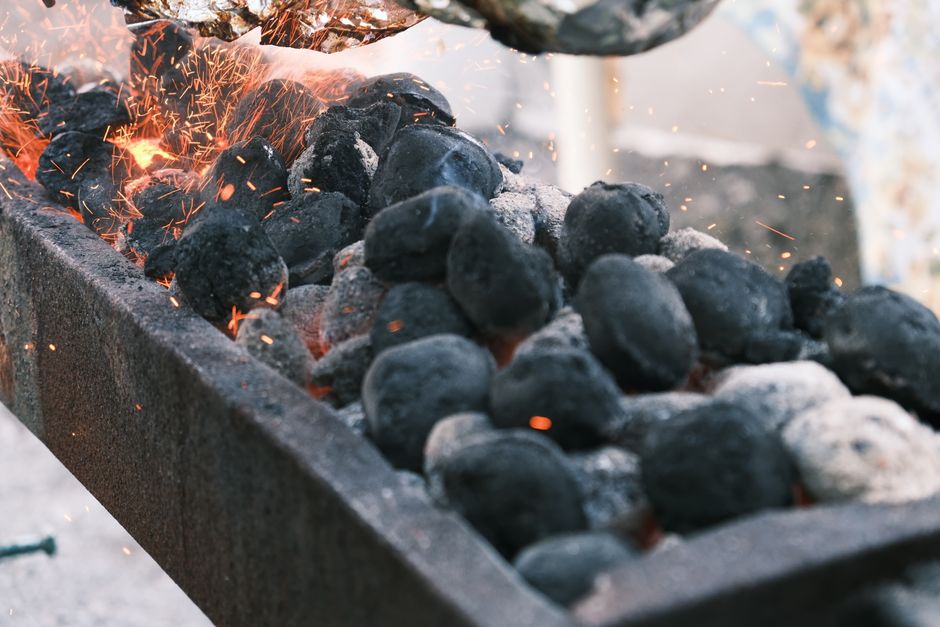
1. Magnesium Fire Starter
Magnesium fire starters are compact and lightweight, making them ideal for camping. They produce intense heat capable of igniting damp tinder, ensuring reliability in adverse conditions. Expect to see a temperature of around 1,200°F upon ignition.
Time 5 minutes | Serves N/A | Difficulty Easy
Key ingredients: magnesium block, striker, kindling, tinder.
Tip: Scrape magnesium shavings and ignite with the striker for quick ignition.
2. Fire Starter Sticks
Fire starter sticks ignite quickly and maintain a steady burn, often exceeding 10 minutes, which is essential for lighting larger logs. Made from a blend of sawdust and wax, they are environmentally friendly and efficient.
Time 10 minutes | Serves N/A | Difficulty Easy
Key ingredients: natural fibers, wax.
Tip: Use two sticks in a crisscross pattern under your kindling for improved results.
3. Cotton Balls and Petroleum Jelly
This method harnesses the high flammability of cotton balls coated in petroleum jelly. It provides a consistent burn lasting from 5 to 10 minutes and can be prepared at home for about $5, depending on the quantities you create.
Time 15 minutes | Serves N/A | Difficulty Very Easy
Key ingredients: cotton balls, petroleum jelly, waterproof storage bag.
Tip: Store in a ziplock bag for easy transportation.
4. Waterproof Matches
Waterproof matches are dependable, igniting even when wet, and are an inexpensive fire-starting solution at around $3 for a pack. Pairing them with fire starters enhances their effectiveness, particularly in adverse weather.
Time 2 minutes | Serves N/A | Difficulty Easy
Key ingredients: wooden sticks, waterproof coating.
Tip: Keep matches in a watertight container to prevent damage.
5. Dryer Lint Fire Starters
Dryer lint is a clever and eco-friendly recycling method, costing nothing if you already do laundry. It ignites easily and burns efficiently, especially when combined with egg cartons, which are often found in any household.
Time 10 minutes | Serves N/A | Difficulty Easy
Key ingredients: dryer lint, cardboard egg cartons, optionally wax.
Tip: Melt wax over stuffed egg cups to create compact starters.
6. Pine Cones
Pine cones are a natural option for fire starting, offering a unique rustic touch to your campfire. They burn steadily, usually for around 10 minutes, making them effective for cooking. You can often collect them for free in local parks.
Time 10 minutes | Serves N/A | Difficulty Easy
Key ingredients: pine cones, optional wax or oils for scent.
Tip: For better results, soak them in wax prior to use.
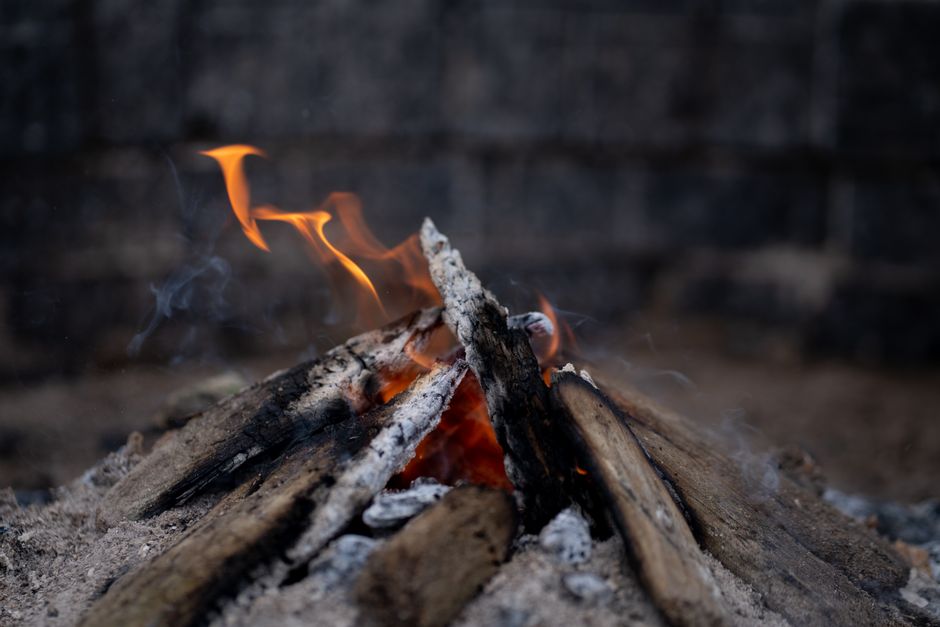
7. Zip Fire Starter
Zip fire starters are compact packs designed for quick ignition, burning efficiently for a consistent flame. Each pack weighs about 1 ounce and is often sold in multiples for less than $10, ensuring portability without bulk.
Time 5 minutes | Serves N/A | Difficulty Easy
Key ingredients: compressed sawdust, wax.
Tip: Ignite the corner while positioning kindling around it for optimal results.
Choosing the Right Fire Starter
When selecting a fire starter, factor in your camping environment. If moisture is a concern, magnesium fire starters and waterproof matches are your best bets. For a budget-friendly option, cotton balls and dryer lint excel in versatility.
Also, consider your skill level, some fire starters require no prior experience and minimal tools, while others may need practice. Think about the space in your gear and your desired time to start cooking when making your choice.
Verdict: Top Picks for Fire Starters
After evaluating performance and practicality, I recommend the magnesium fire starter as the best option for its reliability in all conditions. The runner-up is the fire starter sticks, excellent for steady burns even in damp situations. For cost-conscious campers, cotton balls and petroleum jelly provide an effective, low-cost alternative. Each option has unique benefits tailored to various camping scenarios.
There is more on best camping stove elsewhere on the site.
Frequently Asked Questions
How do you start a campfire without matches?
You can start a campfire without matches by using a fire starter like flint and steel, a magnesium fire starter, or a fire piston. You can also create sparks using a bow drill or hand drill method to ignite kindling.
What are the best fire starters for wet conditions?
For wet conditions, consider using commercial fire starters made from wax and sawdust, or waterproof matches. Natural options like fatwood or dried pine needles are also effective, as they ignite easily even when damp.
Can you cook directly over fire starters?
It is not advisable to cook directly over fire starters, as they may contain chemicals or materials that can produce harmful fumes. Instead, use fire starters to ignite kindling and logs, allowing for a clean-burning fire to cook over.
Why use a fire starter instead of matches?
Fire starters are often more reliable than matches because they can ignite under challenging conditions, such as wind or moisture. Additionally, they tend to burn longer than matches, giving you more time to successfully start your fire.
Are natural fire starters more effective?
Natural fire starters can be very effective, particularly those with high resin content like fatwood or dry bark. They are often favored for being eco-friendly and can provide a sustainable way to start a fire compared to synthetic options.