
Why does outdoor cooking need safety precautions? Outdoor cooking requires safety precautions to prevent incidents like the 48 million foodborne illness cases reported annually in the U.S. and the 7,900 outdoor cooking-related fires each year. Implementing these measures is crucial to ensure a safe and enjoyable cooking experience while minimizing health risks and fire hazards.
Cooking outside often conjures images of relaxing meals surrounded by nature. However, neglecting safety can quickly turn a pleasant outing into a trip to an emergency room. Implementing the right measures can ensure your outdoor experience is enjoyable rather than perilous.

Identifying Common Hazards in Outdoor Cooking
Fire hazards top the list of concerns when cooking outdoors. Many underestimate how quickly fires can escalate. Whether using a propane grill or open flames, even small flare-ups can spiral out of control. Always keep a fire extinguisher nearby, this simple yet vital step can save lives and property.
Similarly, food safety is paramount. Cross-contamination can occur in an instant if proper measures are not taken. Sanitizing cooking equipment is essential, and raw foods must be kept separate from cooked ones to minimize bacterial risks. Always use a food thermometer to ensure meats reach safe cooking temperatures, 165 degrees Fahrenheit for poultry and 145 degrees Fahrenheit for other meats.
Providing adequate cooking conditions is also crucial. Wind can blow flames or embers around, while uneven ground can lead to spills and accidents. Choose a level cooking area, sheltered from wind, to create a safer cooking environment.
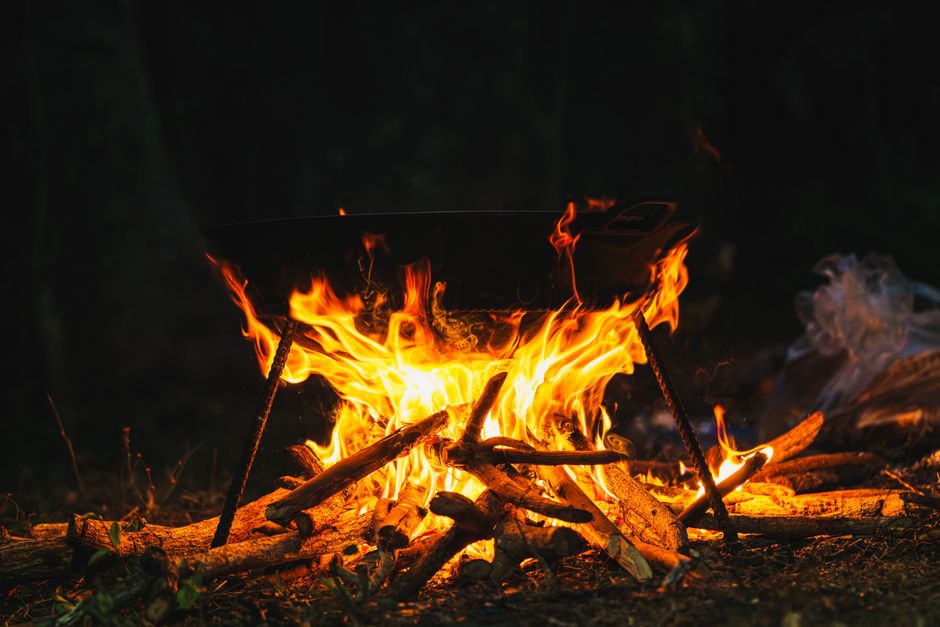
The Importance of Essential Safety Gear
Equipping yourself with the right safety gear can significantly impact the comfort and safety of outdoor cooking. In addition to a fire extinguisher, a well-stocked first aid kit is essential. Minor cuts or burns are common while grilling; including adhesive bandages, antiseptic wipes, and burn cream is crucial for addressing these injuries.
Investing in quality cooking equipment is non-negotiable. For advice on selecting the best gear, check out top camping stove brands. Reliable grills often feature built-in safety functions, so familiarize yourself with these through the instruction manual before cooking.
Additionally, a food thermometer is indispensable in preventing foodborne illnesses. Ensuring that meats are fully cooked eliminates guesswork, allowing you to focus on enjoying your meal rather than worrying about potential health risks.
Acknowledging Fire Hazards in Outdoor Cooking
Fire hazards in outdoor cooking are evident yet often overlooked. Keep cooking areas free of flammable materials such as dry leaves and paper. Ensure your setup complies with safety distance requirements from combustible structures.
Many believe they can control flames by eye alone, leading to dangers. Establish a designated cooking area away from flammable items, and always have a plan in place to extinguish any uncontrolled flames.
Never leave food unattended, a brief distraction can result in burnt food or worse, a raging fire. Stay alert in the cooking zone to mitigate risks effectively.
Implementing Best Practices for Food Safety Outdoors
Food safety must be prioritized during outdoor cooking. Improper handling can spoil the experience and lead to illness. Always separate raw and cooked foods by using distinct cutting boards and utensils to prevent cross-contamination.
Proper food storage is crucial as well. Use ice packs in coolers, ensuring they aren’t overcrowded to maintain low temperatures, ideally below 40 degrees Fahrenheit. Hot foods should remain above 140 degrees Fahrenheit. Serve buffet-style food within two hours to minimize risks associated with room temperature.
A helpful tip is to wrap foods in heavy-duty aluminum foil. Not only does this keep meats moist, but it also reduces cleanup and prevents cross-contamination.
Adapting to Inadequate Cooking Conditions
Poor cooking conditions can disrupt outdoor cooking significantly. Always check the weather forecast before cooking to prepare for sudden changes. Rain can compromise cooking equipment, making it unsafe.
The cooking surface matters, too. Choose level ground to avoid spills; if necessary, lay down a tarp for stability.
Also, be mindful of wind conditions. High winds can easily spread flames. Set up your cooking area strategically, using barriers like windbreaks to protect your equipment from unpredictable weather.
Safety Is Key: Enjoy Outdoor Cooking Responsibly
Prioritizing safety is essential for a positive outdoor cooking experience. You cannot relish good food with friends if safety concerns dominate your thoughts.
Equip yourself with necessary safety gear, maintain a vigilant approach to food hygiene, and prepare for unpredictable weather. Focusing on these factors will allow you to enjoy your meals and company without worry.
Frequently Asked Questions
What are the basic safety rules for outdoor cooking?
Always ensure your cooking area is well-ventilated and clear of flammable materials. Keep a fire extinguisher or bucket of water nearby, and never leave the cooking unattended.
How can I prevent fire hazards when cooking outside?
Use a stable cooking platform and keep the grill or fire pit away from structures, trees, and dry grass. Always monitor the flames and remember to fully extinguish fires before leaving the area.
Why is it important to follow food safety outdoors?
Following food safety practices helps prevent foodborne illnesses, as outdoor conditions can accelerate spoilage. It's crucial to keep food at safe temperatures and avoid cross-contamination during preparation and serving.
What equipment is essential for outdoor cooking safety?
Essential equipment includes a fire extinguisher, heat-resistant gloves, and grill tools designed to prevent burns. Additionally, having a food thermometer can help ensure meats are cooked to safe temperatures.
Can weather conditions affect outdoor cooking safety?
Yes, weather conditions such as wind or rain can increase the risk of fire hazards or affect cooking temperatures. It's important to be aware of the forecast and adjust your cooking methods accordingly to stay safe.