
Do hiking boots actually make a big difference? Yes, they can significantly reduce discomfort, as around 90% of hikers report issues from inadequate footwear. The right hiking boots enhance comfort, improve performance, and ensure safety while navigating challenging terrains.
Choosing the right pair of hiking boots goes beyond style. It’s about finding a boot that matches your hiking style, environment, and physical needs. Many don’t realize that the wrong footwear can lead to injuries, blisters, and discomfort, which can ruin an otherwise rewarding adventure. Understanding the nuances might just guide your next purchase decision.
The Role of Hiking Boots on the Trail
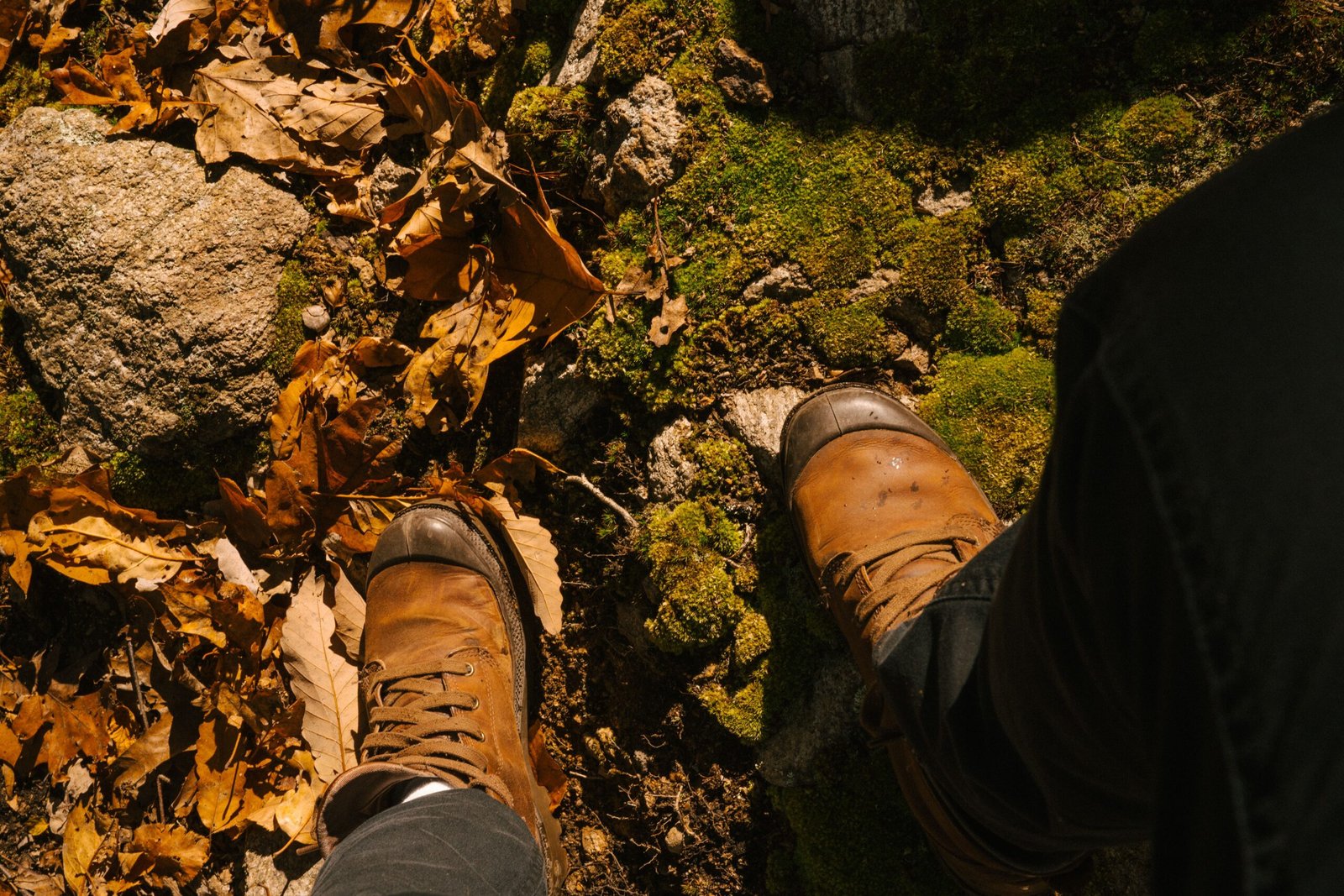
First things first, hiking boots primarily provide ankle support, crucial for navigating uneven trail terrains. A boot with a higher cut offers extra stability by keeping your ankles secure. This is vital when you’re tackling rocky paths or steep inclines where a twisted ankle could sideline your adventure.
Moreover, hiking boots often incorporate materials designed to protect your feet from sharp rocks and other trail hazards. Unlike regular sneakers, which may wear down quickly on tough trails, quality hiking boots typically feature reinforced toe boxes and rugged outsoles that grip uneven surfaces.
From mud to gravel, the right boot defends against the elements, ensuring you stay focused on the trail rather than on your sore feet.
Comparing Hiking Boots to Sneakers
It’s tempting to hit the trails in a pair of reliable sneakers. They often feel more comfortable during short walks, but they lack essential attributes. Hiking boots can weigh more, but this weight includes added benefits like waterproofing and specialized tread patterns that enhance traction on different surfaces.
Consider comfort for longer hikes. While sneakers might feel fine for short excursions, they often fail to offer adequate cushioning and arch support during longer treks. I’ve observed that those who opt for hiking boots on extended trips end up feeling less fatigued because their feet are supported properly, giving them the stamina needed for those epic all-day hikes.
Foot Protection Features to Note
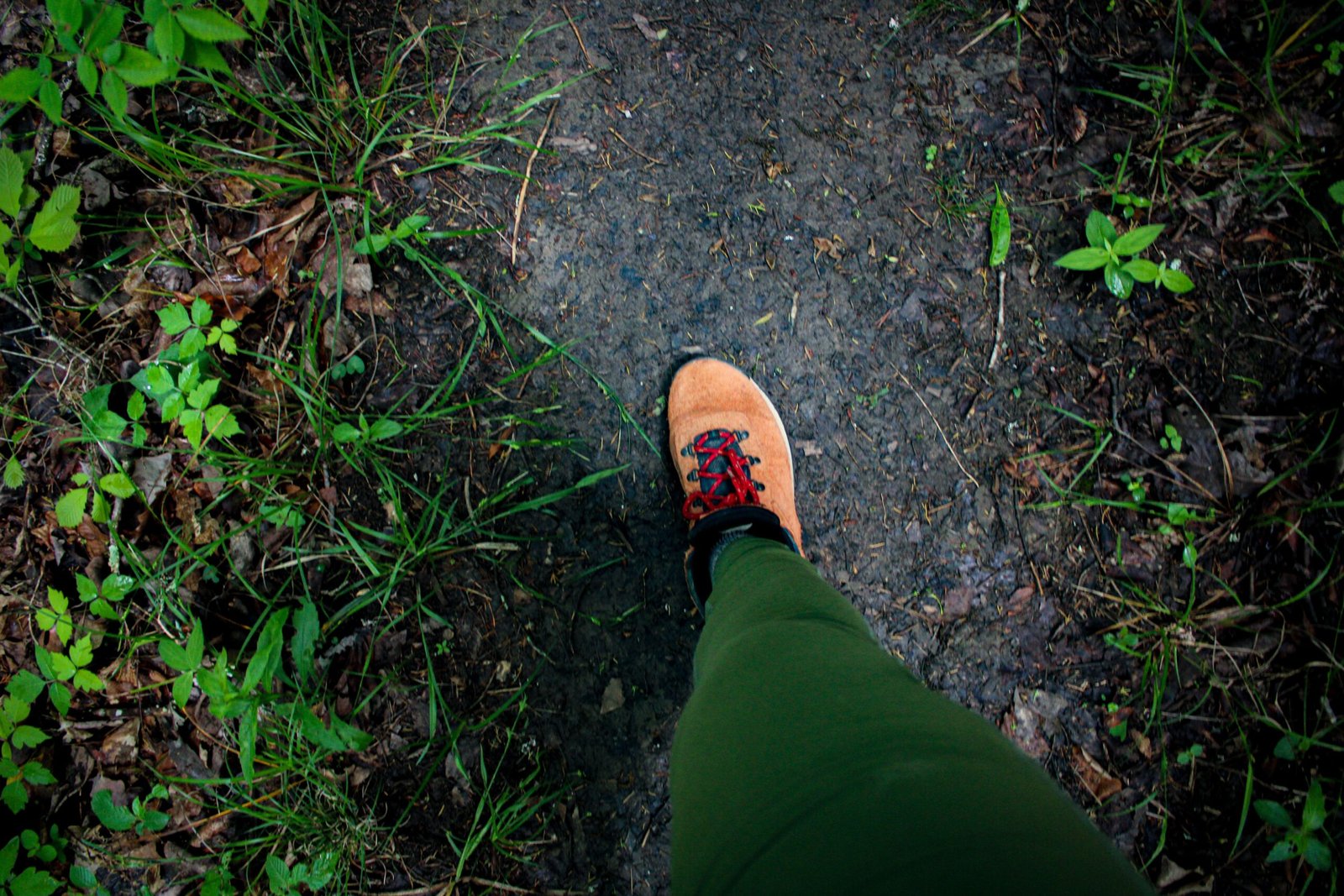
When evaluating hiking boots, look for specific features that enhance foot protection. Breathable materials that wick moisture can prevent blisters—a significant concern during longer hikes. Additionally, thicker soles cushion against rocks and rough terrain, while deep treads help with grip.
- Water Resistance: Many boots come with waterproof membranes to keep your feet dry in wet conditions.
- Toe Caps: A reinforced toe cap can save your feet from rock impacts.
- Midsole Support: A cushioned midsole offers comfort and absorbs shock.
By paying attention to these elements, you empower your outdoor experience. Having invested in quality boots, I can attest to the difference feeling secure and protected on the trail makes. You can hike with confidence knowing your feet are well-cared-for.
Understanding Your Hiking Environment
Your hiking environment plays a pivotal role in determining whether you need hiking boots. Rocky mountain trails demand different capabilities than soft, forested paths. For challenging terrains, opt for boots that provide adequate traction and stability. Those heading on flat, well-maintained trails might find lighter, breathable options sufficient.
Weather conditions are another consideration. If you’re hiking in a rainy region, waterproof boots become non-negotiable. Conversely, hot weather calls for well-ventilated options to prevent overheating. Tailoring your gear to your environment maximizes comfort and minimizes issues.
Common Mistakes When Choosing Boots
One common mistake is overlooking fit. When trying on hiking boots, ensure there’s enough toe room and the heel fits snugly without slipping. A poor fit can spell disaster, causing pain or blisters over time. Additionally, not wearing hiking socks during fitting can lead to an inaccurate judgment of comfort and space.
Another misstep is prioritizing style over functionality. Some hikers focus too much on how fashionable a boot looks instead of its practical features. Always put performance first; a stylish boot that lacks essential support or traction won’t do you any favors on the trail.
Who Should Invest in Hiking Boots?
If you find yourself hiking regularly, investing in a good pair of hiking boots isn’t just a wise choice—it’s essential. Those who enjoy long-distance hiking, rugged terrains, or variable weather conditions should strongly consider proper footwear. Beginners may wonder if they’re worth the investment; quality boots can make learning the ropes much more enjoyable.
On the opposite end, casual walkers may opt for sturdy sneakers for short walks on easier trails. Your choice should reflect your hiking frequency and the conditions you expect to encounter. Ultimately, if you plan on hitting the trails frequently, don’t underestimate the long-term comfort and protection hiking boots offer.
The Verdict: Hiking Boots vs. Other Footwear
For those who prioritize comfort and safety, investing in a quality pair of hiking boots is essential. Hiking boots are the best choice for rugged terrain, while trail runners may suit those on smoother paths. Failing to wear proper footwear increases the risk of injuries, especially on challenging trails. Do hiking boots actually make a big difference?