
Does carry-on luggage have to be a certain weight? Yes, most airlines impose a weight limit for carry-on bags, typically between 15 to 22 pounds (7 to 10 kg). Knowing these restrictions before you travel can save you from the stress of unexpected fees or having to discard items at the airport.
Packing wisely within these guidelines ensures a smoother journey and helps you enjoy your travel plans without hitches.
Some links in this article are affiliate links. If you buy through them we may earn a small commission, at no extra cost to you.
In my experience, understanding carry-on luggage weight limits is crucial for hassle-free travel. Most airlines impose weight restrictions, typically between 15 to 20 pounds. However, these rules can vary significantly, so being informed can make all the difference.
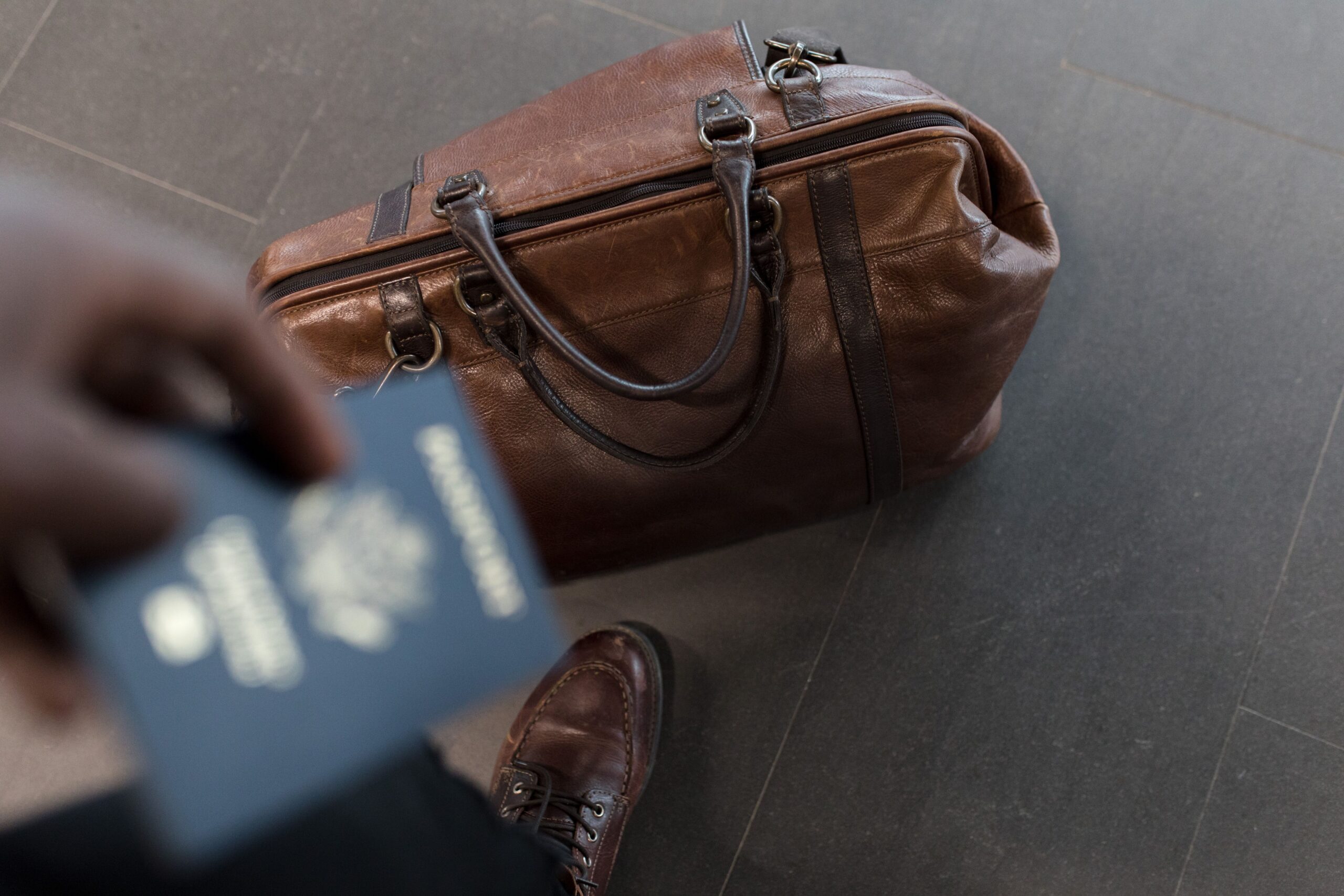
Understanding Carry On Weight Limits
When I first started traveling, I assumed all carry-on luggage would have the same weight regulations. To my surprise, I discovered that each airline has its own set of rules. For instance, budget airlines often have stricter limits, while some premium carriers may allow a heavier bag. This inconsistency can lead to confusion and even last-minute adjustments at the airport.
It’s essential to weigh your bag before heading out. I found that using a luggage scale is a quick and reliable way to ensure you’re within the limits. It’s better to avoid an embarrassing scene at check-in when they ask you to remove items or pay additional fees.
Each airline’s website usually lists their specific guidelines regarding carry-on dimensions and weight, so a quick check can save you a lot of trouble.
Airlines with Strict Luggage Policies
During my travels, I encountered airlines with particularly strict regulations. For example, I once flew with a low-cost carrier that weighed every piece of luggage before boarding. My carry-on was just over the limit, and I had to remove a few items right there. It was a frustrating experience, and it made me realize the importance of being proactive.
Most airlines permit a single carry-on and a personal item, but the weight of both can count toward your maximum allowance. For instance, if your airline allows 20 pounds for the carry-on, and your personal item weighs 5 pounds, you’ll only have 15 pounds left for the larger bag. Always check your airline’s policies ahead of time to avoid surprises.

Optimizing Your Packing Strategy
When I learned how to pack smarter, my carry-on struggles eased significantly. Rolling clothes instead of folding them allows you to save space and, surprisingly, reduces the weight by shifting things around cleverly. I also recommend packing heavier items at the bottom, which helps balance the bag and makes it easier to handle while ensuring you don’t exceed weight limits.
Another technique I’ve adopted is utilizing packing cubes. They help organize clothing and gear and allow me to pack more efficiently. Each time I travel, I try to pack only the essentials, keeping shoes and bulky items to a minimum. Remember, you can always wear your heaviest shoes during your flight to lighten your carry-on.
Tips for Meeting Airline Regulations
Every traveler should know what’s allowed in their carry-on to stay within weight limits. Here are some tips I’ve found useful:
- Check your airline’s weight limits and dimensions before packing.
- Weigh your luggage after packing it fully to ensure it meets requirements.
- Pack multi-purpose items to minimize the number of things you bring along.
- Consider wearing bulkier clothing instead of packing it.
- Leave non-essentials behind to keep the weight down.
If you are also dealing with how to manage your overall travel load, I have a detailed guide on that here: How to Pack a Backpack for Air Travel.
Understanding Dimensions is Just as Important
While weight is crucial, don’t underestimate the importance of luggage dimensions. Many airlines have specific regulations about the size of carry-on bags. I’ve seen travelers get caught out because their bags were too large, even if they were within the weight limit. This error can result in having to check the bag or pay a penalty.
The average carry-on dimensions hover around 22 x 14 x 9 inches, but as I mentioned, always confirm with your airline. A well-fitted bag can make navigating through crowded terminals so much easier. Ensuring your bag fits in the overhead compartment before arriving at the airport is a proactive step I always recommend.
Related reading: soft sided luggage best products.
If that matters to you, our piece on experience with three top carry goes further.
If that matters to you, our piece on experience with three top carry goes further.
Final Thoughts on Carry On Weight Compliance
Knowing the rules of carry-on weight has saved me from countless stressful situations at check-in and boarding. With a little preparation and savvy packing, one can easily adhere to airline regulations and maximize luggage space. Remember, planning ahead is key; a few minutes spent researching can lead to a smoother travel experience.
Traveling should be enjoyable, not a race against the clock at baggage claim. So next time you prepare for a trip, de-stress by ensuring your carry-on meets every requirement comfortably.
Frequently Asked Questions
What is the weight limit for carry on luggage?
The weight limit for carry on luggage typically ranges from 15 to 22 pounds (7 to 10 kg), depending on the airline.
Why do airlines have carry on weight restrictions?
Airlines impose carry on weight restrictions to ensure safety, balance the aircraft, and optimize cabin space.
How can I avoid extra fees for carry on bags?
To avoid extra fees for carry on bags, check your airline’s specific weight limits beforehand, pack efficiently, and consider using a lightweight suitcase.
Is there a standard size for carry on luggage?
Yes, airlines typically have standard size restrictions for carry-on luggage, which usually range from 22 x 14 x 9 inches (56 x 36 x 23 cm) to 24 x 16 x 10 inches (61 x 41 x 25 cm). Additionally, many airlines impose weight limits that can vary, often ranging from 15 to 25 pounds (7 to 11 kg), so it’s important to check with your specific airline before traveling.
Can carry on bags be weighed at the gate?
Yes, airlines can weigh carry-on luggage at the gate, especially if they suspect it exceeds the allowed weight limit. Passengers should check their specific airline’s carry-on policies, as each airline has different weight restrictions and practices for enforcing them.