
When it comes to choosing the right backpack for travel, two popular options often come up in discussions: the EDC (Everyday Carry) Backpack and the Carry-On Backpack. While they may look similar at a glance, they serve different purposes and are optimized for different types of use.
This article explores their key differences, pros and cons, and how to choose the right one based on your travel needs.

What Is an EDC Backpack?
An EDC Backpack is designed to carry the essentials you need on a daily basis – whether commuting to work, running errands, or navigating around town. These bags prioritize organization, accessibility, and versatility.
Key Features of EDC Backpacks
- Compact size: Generally small to medium (15–25 liters).
- Everyday utility: Ideal for carrying daily essentials like laptops, notebooks, chargers, and personal items.
- Organizational options: Multiple pockets, compartments, and sleeves for easy access.
- Lightweight and comfortable: Easy to carry for hours without feeling heavy.
- Urban style: Sleek and minimalistic designs that suit city life and work environments.
Best Use Cases
- Daily commuting
- School or university
- Running errands
- Short outings or day trips
What Is a Carry-On Backpack?
A Carry-On Backpack is purpose-built for travel and is sized to meet airline carry-on restrictions. It’s essentially a small travel suitcase in backpack form optimized for mobility, storage capacity, and security.
Key Features of Carry-On Backpacks
- Larger capacity: Usually between 30–45 liters.
- Travel-ready organization: Dedicated compartments for clothes, shoes, toiletries, and tech.
- Airline compliance: Sized to meet carry-on requirements for most airlines.
- Comfort for long hauls: Better support and padding for long walking or airport days.
- Durability: Often made from robust fabrics and hardware to withstand travel abuse.
Best Use Cases
- Short to medium travel (weekend to 2 weeks)
- Business trips
- Multi-destination travel
- Minimalist travelers
EDC Backpack vs Carry-On Backpack: Head-to-Head Comparison
| Feature | EDC Backpack | Carry-On Backpack |
|---|---|---|
| Typical Size | 15–25 L | 30–45 L |
| Ideal For | Daily use | Travel and flights |
| Organization | High | Very high (travel optimized) |
| Meets Airline Carry-On Standards | Rarely | Yes (usually) |
| Comfort for Travel | Moderate | High |
| Storage Capacity | Small | Medium-large |
| Best For | Commuters | Travelers |
Pros and Cons
EDC Backpack
Pros:
- Lightweight and easy to carry
- Great organization for everyday items
- Stylish and versatile for daily use
- Comfortable for short trips
Cons:
- Limited capacity for travel
- Not built for airline carry-on use
- May lack travel-specific features
Carry-On Backpack
Pros:
- Perfect size for airline carry-on
- Organized compartments for travel essentials
- Comfortable for long travel days
- Robust and durable
Cons:
- Bulkier and heavier than EDC packs
- Not as sleek for everyday urban use
- Can be more expensive
How to Choose: EDC or Carry-On?
Choosing between an EDC Backpack and a Carry-On Backpack depends on how you travel and what you carry.
Choose an EDC Backpack if:
- You need a daily bag for work, school, or city use.
- You rarely travel overnight.
- You like a lightweight, minimal carry.
Choose a Carry-On Backpack if:
- You travel frequently by plane.
- You want to pack everything in one bag.
- You need more storage and travel-friendly features.
Tips for Travelers
Here are some tips to make the most of your backpack choice:
For EDC Backpacks
- Use packing cubes if you occasionally take trips.
- Prioritize lightweight and quick-access compartments.
- Choose water-resistant materials for unpredictable weather.
For Carry-On Backpacks
- Check airline carry-on size regulations before buying.
- Consider a backpack with a laptop compartment and expandable storage.
- Look for compression straps to maximize packing efficiency.
Who Each Option Suits Best
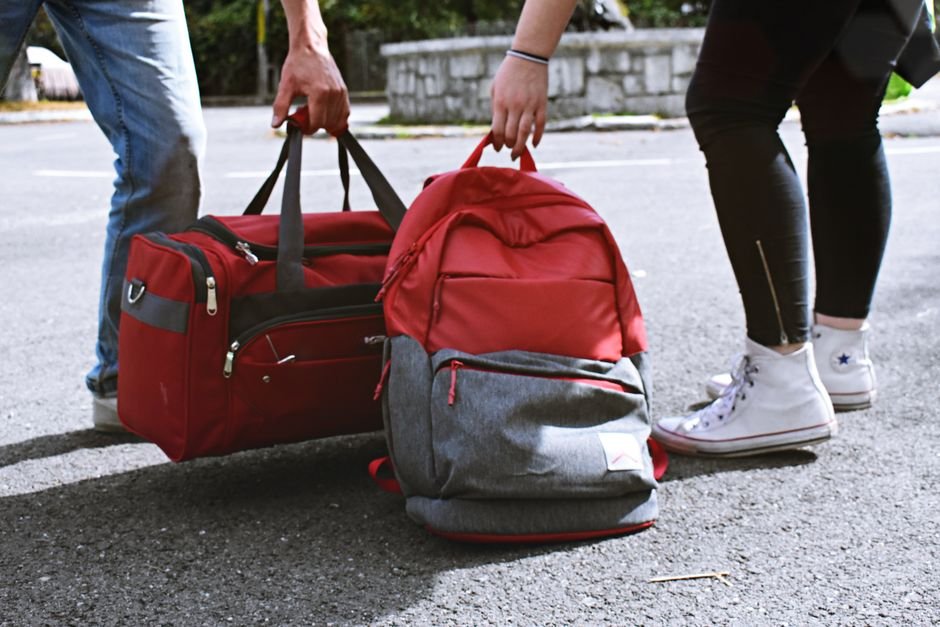
If you often find yourself on the go within a city or making short trips, an EDC backpack is ideal. It's compact and perfectly fits your daily essentials, like a laptop or books.
A carry-on backpack suits the traveler who prefers to keep everything within arm’s reach on flights. If you frequently fly for business, this option allows you to stay organized and avoid check-in hassles.
Consider your lifestyle. Teachers, tech workers, and urban commuters often benefit from an EDC bag, while travel enthusiasts or digital nomads lean towards carry-ons for flexibility. Think about your routines before making a decision. You can also explore options for the best EDC backpack for your needs here.
Cost Comparisons and Maintenance
When evaluating costs, EDC backpacks generally range from $50 to $200, depending on brand and features. In contrast, carry-on backpacks typically start around $70 and can exceed $300 for high-end models. Factor in your budget and usage frequency to choose wisely.
Maintenance plays a crucial role in longevity. EDC bags made from durable materials may need less frequent repairs. However, careful cleaning of carry-ons, especially after trips, ensures they stay fresh and functional. A simple wipe-down after a dusty adventure can extend their lifespan.
Common Mistakes to Avoid
When choosing between an EDC backpack and a carry-on, many make errors that affect usability. One common mistake is underestimating size requirements. Ensure the backpack fits under airline seats or in overhead bins. Check airline dimensions prior to travel.
Another pitfall is not considering the intended load. An EDC bag may not support the weight of travel essentials, while a carry-on could be too bulky for daily commuting. Verify your typical load and match it to your choice.
Conclusion
Ultimately, an EDC Backpack and a Carry-On Backpack serve different travel needs. If you’re looking for an everyday bag for urban life, an EDC pack is hard to beat. But if your goal is to take one bag on flights and pack efficiently for trips, a Carry-On Backpack is the more practical choice.
By understanding your travel patterns and packing style, you can pick the option that suits you best and travel smarter, lighter, and more comfortably.