
Preparing for a backpacking adventure is an exciting endeavor, filled with anticipation for the journey ahead. However, the weight of your backpack can quickly become a burden, impacting your mobility and enjoyment on the trail. In this guide, we will explore effective strategies for lightening your backpack, allowing you to travel with greater ease and comfort without compromising on essential gear.
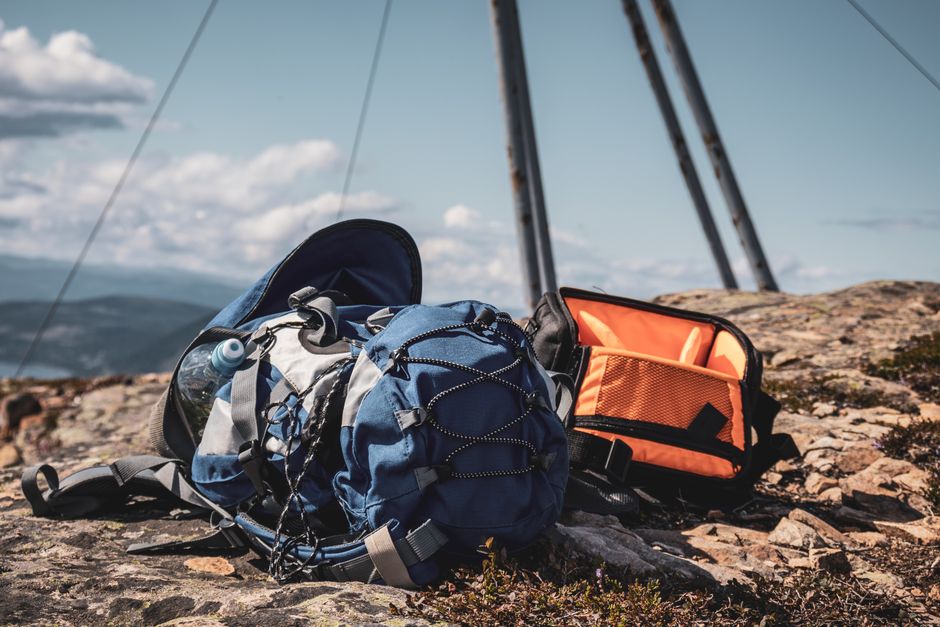
Assessing Your Gear: Prioritize, Optimize, and Streamline
Prioritize the Essentials
Before setting out on your backpacking adventure, it's crucial to conduct a thorough assessment of your gear. Begin by identifying the essentials - items that are indispensable for your safety, comfort, and well-being on the trail. These may include shelter, sleep system, clothing layers, food, water, and navigation tools.
Optimize for Multi-Functionality
One of the most effective strategies for reducing pack weight is to choose gear that serves multiple purposes. Invest in versatile equipment that can fulfill a range of needs without adding unnecessary bulk. For example, a lightweight tarp can double as both a shelter and a groundsheet, while a high-quality insulated jacket can serve as outerwear and a cozy layer for chilly nights.
Streamline Non-Essentials
While it's tempting to pack every gadget and accessory imaginable, resist the urge to bring non-essential items that add weight without providing significant utility. Evaluate each piece of gear critically and eliminate anything that doesn't serve a practical purpose or contribute to your overall comfort and safety.
Embracing the Ultralight Mindset: Principles for Minimalist Packing
Emphasize Lightweight Materials
When selecting gear and equipment, prioritize items made from lightweight materials without compromising on durability or functionality. Look for innovative fabrics and designs that offer maximum performance with minimal weight, such as ripstop nylon, carbon fiber, and titanium.
Adopt a Less-is-More Approach
Embrace the ethos of ultralight backpacking by adopting a less-is-more mindset. Question every item in your pack and strive to minimize redundancies and excess. Remember that every ounce saved translates to less strain on your body and greater freedom to explore the wilderness.
Cut Down on Consumables
In addition to gear, pay close attention to the weight of consumable items such as food, water, and fuel. Opt for lightweight, high-calorie meals that require minimal preparation and packaging. Consider alternative water purification methods such as filtration or chemical treatment to reduce the need for bulky containers.
Fine-Tuning Your Packing Strategy: Tips for Efficient Load Distribution
Distribute Weight Evenly
Proper load distribution is essential for maintaining balance and stability while hiking. Distribute the weight of your pack evenly, placing heavier items closer to your back and towards the middle of the pack. Avoid overloading one side or carrying excessive weight in external pockets, which can throw off your balance and strain your muscles.
Utilize Compression and Organization
Maximize the available space in your backpack by utilizing compression straps and organizational accessories. Pack bulky items such as sleeping bags and clothing in compression sacks to reduce volume and create a more compact load. Use packing cubes or stuff sacks to keep smaller items organized and easily accessible.
Minimize Pack Volume
In addition to reducing weight, aim to minimize the overall volume of your pack by carefully selecting compact and compressible gear. Choose streamlined equipment with minimal external protrusions to prevent snagging on branches or rocks while hiking. Consider removing unnecessary straps or attachments that add bulk without serving a practical purpose.
Common Mistakes in Lightweight Packing
When lightening your backpack, avoid common pitfalls that can undermine your efforts. One major mistake is overpacking for contingencies. Packing that extra jacket for "just in case" often leads to unnecessary weight. Instead, ask yourself if you can manage without it or if a lighter alternative exists.
Another frequent error is undervaluing gear’s weight. It’s easy to dismiss a few ounces here and there, but these add up. Weigh your items; you might be surprised to find a sleeping bag weighing several pounds that could be replaced with a much lighter model.
Costs of Lightweight Gear
Investing in lightweight gear can significantly impact your budget. High-quality, ultralight tents and sleeping bags often come at a premium. For example, while a typical tent might cost around $150, a comparable ultralight version could range from $300 to $600.
However, consider that lighter gear can improve your hiking experience and stamina. Also, look for sales or second-hand options, as often, you can find gently used gear at lower prices. Evaluate whether the investment is worth the weight savings for your hiking style. For more detailed advice on how to lighten your backpack, check out this guide on How to Lighten Your Backpack.
Who Each Option Suits
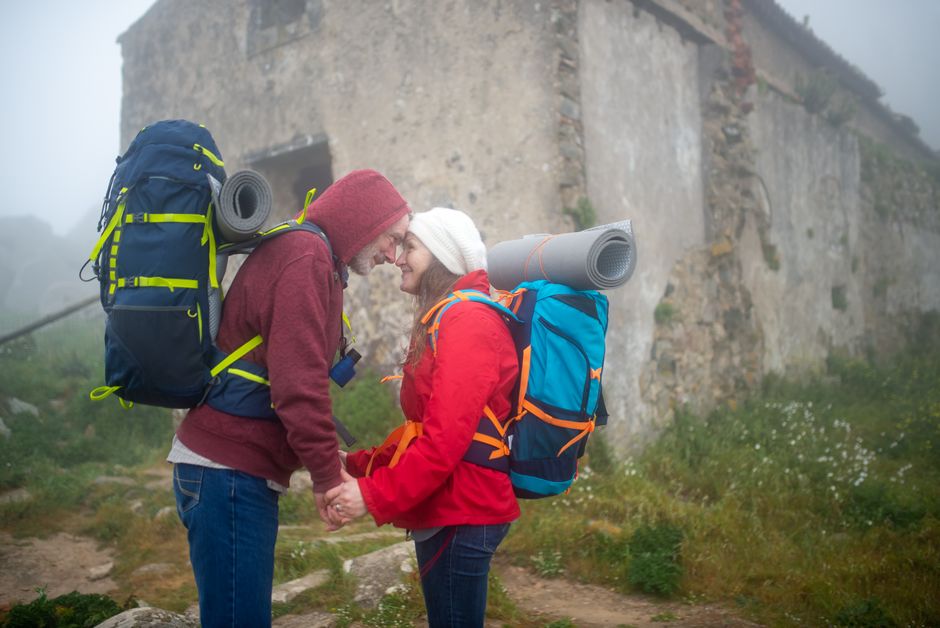
Lightweight packing techniques resonate with different types of adventurers. For seasoned backpackers who trek long distances, minimalism is key. The focus on shed weight allows them to navigate trails confidently and comfortably.
On the other hand, beginners may find it daunting. Simplifying gear choices can be overwhelming for newcomers. They should start small, gradually adopting lighter gear rather than overhauling everything at once.
If you're venturing on short trips or day hikes, the need to lighten may be less pressing. Sometimes, comfort takes precedence over weight. Adjust your approach based on your experience level and hiking frequency for the best results.
Conclusion
Mastering the art of lightening your backpack is a game-changer for backpackers seeking to maximize their enjoyment of the outdoors. By prioritizing essentials, embracing minimalist principles, and fine-tuning your packing strategy, you can significantly reduce the weight of your pack without sacrificing comfort or safety.
With a lighter load on your shoulders, you'll be free to wander further, explore deeper, and experience the true essence of backpacking.