
This comprehensive guide provides crucial information on what to wear in Egypt to ensure your trip is both comfortable and respectful. Traveling to Egypt offers a rich tapestry of history, culture, and natural beauty. However, the country's climate and cultural norms require thoughtful consideration when choosing your attire.
Understanding Egypt's Climate: Dress for Comfort
Egypt's climate is predominantly arid, with hot and dry conditions prevailing for most of the year. The desert environment results in extreme temperature variations between day and night. To manage these conditions effectively, we recommend the following clothing tips:
1. Lightweight and Breathable Fabrics
Opt for lightweight, breathable fabrics such as cotton and linen. These materials help keep you cool in the heat and allow your skin to breathe. Avoid synthetic fabrics that can trap heat and cause discomfort.
2. Layers for Temperature Variation
Given the stark contrast between daytime and nighttime temperatures, layering is essential. During the day, wear lightweight shirts and pants, but carry a light sweater or jacket for cooler evenings. This approach ensures comfort regardless of the temperature.
3. Sun Protection
Egypt's sun can be intense, particularly from late spring through early autumn. Protect yourself from the sun by wearing a wide-brimmed hat and sunglasses. Additionally, applying high-SPF sunscreen regularly will shield your skin from harmful UV rays.
Cultural Sensitivity: Dressing Modestly
Egypt is a predominantly Muslim country with conservative cultural norms. Dressing modestly is a sign of respect and helps you blend in seamlessly with local customs. Here’s how to dress appropriately:
1. Cover Your Shoulders and Knees
Both men and women should aim to cover their shoulders and knees. For women, this means avoiding sleeveless tops and short skirts or shorts. Opt for long skirts or trousers and shirts with sleeves.
2. Loose-Fitting Clothing
Loose-fitting clothing is preferred over tight or form-fitting attire. It not only aligns with cultural norms but also contributes to comfort in Egypt’s warm climate. Flowy dresses, loose trousers, and long-sleeved tops are ideal choices.
3. Swimwear
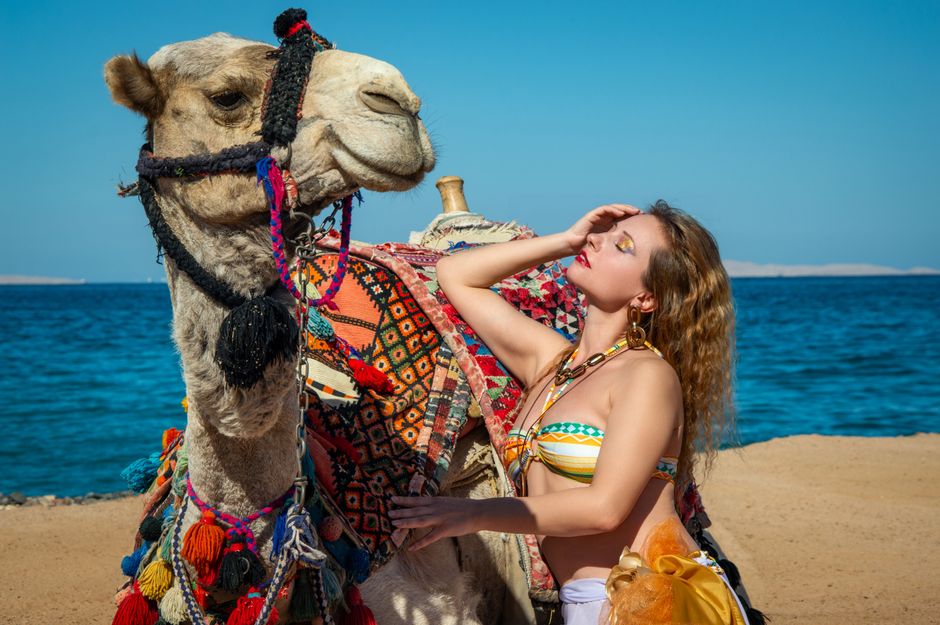
While swimwear is appropriate at the beach or pool, avoid wearing it in public places such as markets or temples. When outside the pool area, cover up with a sarong or a loose-fitting dress.
Practical Attire for Specific Activities
Different activities may require specific types of clothing. Here’s a breakdown of what to wear based on your plans:
1. Visiting Historical Sites
When exploring Egypt’s historical sites such as the Pyramids of Giza or Luxor, wear comfortable walking shoes and sunglasses. Ensure your clothing is modest and appropriate for the setting, with a hat for sun protection.
2. Touring Urban Areas
In cities like Cairo or Alexandria, aim for casual yet modest attire. Lightweight trousers, comfortable tops, and closed-toe shoes are suitable for walking and exploring.
3. Desert Excursions
For desert safaris or excursions, wear long-sleeved shirts and trousers to protect against sand and sun. Sturdy, closed-toe shoes are crucial, and bringing a scarf or bandana can help shield your face from dust.
Packing Tips for Your Trip to Egypt
Effective packing ensures you’re prepared for any situation. Here’s how to pack smartly for Egypt:
1. Versatile Wardrobe
Choose clothing that is versatile and can be mixed and matched easily. This allows for fewer items and less bulk in your luggage. Focus on neutral colors that won’t show dirt and are easy to pair with other pieces.
2. Essential Accessories
Pack essential accessories such as a hat, sunglasses, and sunscreen. A reusable water bottle is also crucial for staying hydrated in the heat.
3. Respectful Attire for Religious Sites
If you plan to visit mosques or other religious sites, bring an appropriate cover-up. Women should have a scarf or shawl to cover their hair and shoulders, while men should avoid shorts and sleeveless shirts.
See also: What to Wear for Red Sea Holidays
Choosing the Right Footwear for Egypt
Your choice of footwear can significantly impact your comfort. Opt for breathable, closed-toe shoes, such as lightweight hiking shoes or sandals with good arch support. If you plan on extensive walking, shoes with cushioning and stability are advisable. For urban walks, consider durable sneakers to handle cobblestone streets.
Here are some shoe options:
- Lightweight sandals for casual outings
- Sturdy sneakers for sightseeing
- Hiking shoes for desert excursions
Avoid flip-flops, as they offer little support and are unsuitable for longer treks.
Common Mistakes to Avoid When Dressing for Egypt
Many travelers overlook the importance of material choice. Avoid fabrics that trap heat, such as polyester. Opt for cotton or linen instead to stay cool.
Another common error is underestimating the power of the sun. Sunscreen is essential, but many forget protective clothing as well. Prioritize long sleeves that are lightweight.
Lastly, wearing inappropriate footwear, like sandals with little grip, can lead to discomfort during tours. Choose sturdy shoes that support your feet adequately.
Conclusion
Choosing the right clothing for Egypt is vital for comfort and respect for local customs. By opting for breathable fabrics, modest attire, and practical accessories, you can enjoy your Egyptian adventure while adhering to cultural norms. For additional insights on what to wear in Egypt, consider checking out more detailed outfit ideas.