
Essential Tips on What to Wear in Bulgaria for Travelers include embracing layers, as temperatures can vary greatly; for example, summer highs can reach 35°C (95°F), while winter lows can drop to -10°C (14°F). Understanding the local dress code not only enhances your experience but also shows respect for Bulgarian culture, which blends traditional and modern influences beautifully.
Traditional Bulgarian Clothing
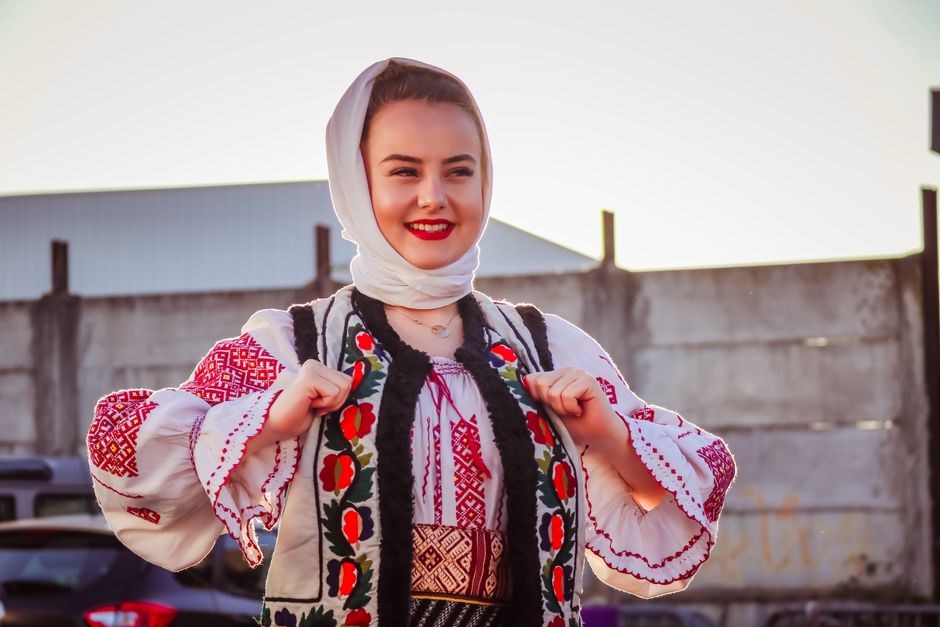
Traditional Bulgarian clothing varies by region, showcasing intricate embroidery, vibrant colors, and unique patterns. Folk costumes are still worn during festivals and special occasions, such as weddings or cultural celebrations. Women often wear long-sleeved dresses with detailed embroidery, while men opt for white shirts paired with woolen trousers and vests adorned with folk motifs.
Everyday Wear in Urban Areas
In cities like Sofia, Plovdiv, and Varna, casual attire similar to that worn in Western Europe is common. Locals typically dress stylishly yet practically, favoring jeans, trousers, and skirts paired with fashionable tops or shirts. For women, a stylish blouse or sweater paired with comfortable pants or a skirt is appropriate for day-to-day activities.
Business Attire
In Bulgaria's business environment, attire leans towards formal and conservative. Men often wear suits and ties, while women opt for business suits or elegant dresses. It's essential to present a polished appearance, demonstrating respect and professionalism in business dealings.
Weather Considerations: Dressing for the Seasons
Bulgaria experiences diverse weather patterns throughout the year, influencing appropriate clothing choices.
Summer Attire
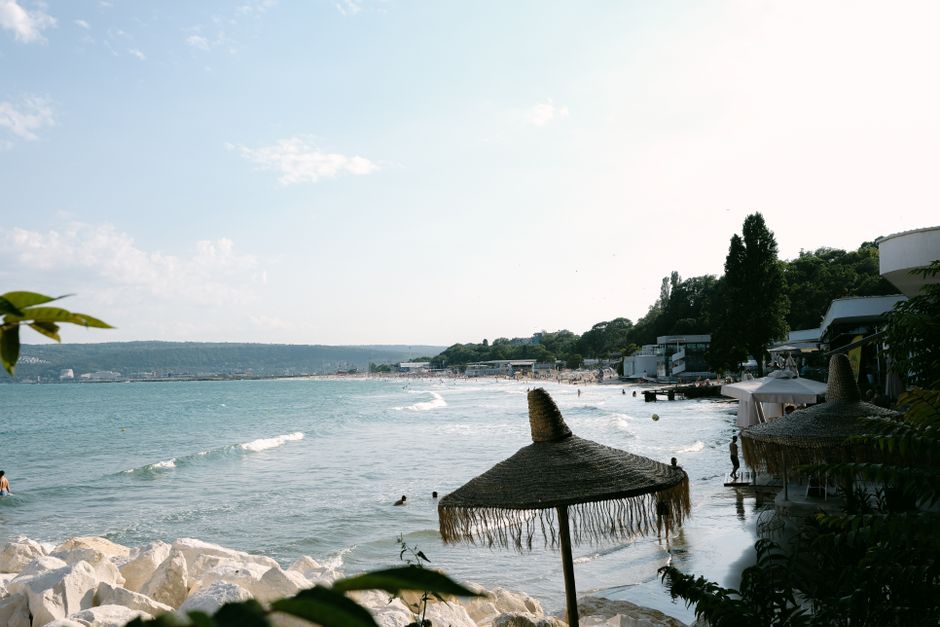
During Bulgaria's warm summers, lightweight and breathable fabrics are essential. Shorts, skirts, and dresses are popular choices, paired with comfortable footwear suitable for exploring historic sites or enjoying the Black Sea beaches. Don't forget to bring a hat, sunglasses, and sunscreen for protection from the sun.
Winter Attire
Winters in Bulgaria can be cold, especially in mountainous regions. Warm layers, including sweaters, jackets, and coats, are necessary to stay comfortable outdoors. Waterproof footwear with good traction is advisable, particularly if you plan to visit snowy areas for skiing or snowboarding.
Spring and Autumn
Spring and autumn offer mild weather, making it ideal for layering. Light jackets or cardigans paired with versatile clothing pieces allow for easy adaptation to changing temperatures. Comfortable shoes are recommended for walking through parks or exploring historic landmarks during these transitional seasons.
Cultural Sensitivity: What Not to Wear in Bulgaria
While Bulgaria is generally accepting of diverse attire, certain considerations can help you avoid cultural misunderstandings.
Beach Attire
While appropriate for beach areas, revealing swimwear should be confined to beachside locations rather than public streets or restaurants.
Religious Sites
When visiting churches or religious sites, it's respectful to wear modest clothing that covers shoulders and knees. This applies to both men and women as a sign of respect for local customs and traditions.
Shopping for Bulgarian Fashion
Exploring local markets and boutiques in Bulgaria offers a chance to discover unique fashion pieces and traditional crafts.
Souvenirs and Traditional Clothing
Embroidered shirts, woolen socks, and handmade jewelry are popular souvenirs showcasing Bulgarian craftsmanship. Look for authentic pieces that reflect the country's cultural heritage.
Local Designers and Fashion Trends
Bulgaria boasts a growing fashion scene with emerging designers blending traditional motifs with contemporary styles. Look for boutiques in Sofia and Plovdiv showcasing innovative designs and locally sourced materials.
Common Mistakes When Choosing Outfits
One frequent error travelers make is overpacking. Bulgaria offers varied climates and cultural settings, so you might only need a few versatile pieces. Consider packing items like a light jacket for cooler evenings or a scarf that can dress up any outfit.
Another mistake is underestimating the importance of comfortable shoes. Cobblestone streets can be challenging, so bring footwear that provides support. Sneakers or sturdy sandals are fantastic for urban exploration.
Finally, some visitors overlook layering. Bulgarian weather can change quickly, especially during spring and autumn. Aim for a base layer, an insulating mid-layer, and a weather-resistant outer layer. This strategy keeps you comfortable, regardless of the forecast.
Who Each Outfit Option Suits
Traditional Bulgarian clothing may appeal primarily to tourists seeking a cultural experience. Those interested in history or folkloric elements gravitate towards these vibrant pieces. You can wear them during festivals or cultural events held across the country.
Urban wear suits younger audiences or individuals who prefer a contemporary style. This option works well for city dwellers or those who plan to visit cafes and nightlife spots. Choose practical yet stylish outfits that allow for movement and ease.
Business attire suits professionals visiting Bulgaria for work. Choose tailored suits or dresses to convey professionalism. Keep in mind that Bulgarian workplaces appreciate elegance, so opt for well-fitted, classic pieces.
Casual summer wear, like shorts and breathable fabrics, is perfect for families or beachgoers. Children especially appreciate comfortable clothing during warm weather, making this style family-friendly and practical.
In contrast, winter wear is suitable for anyone who enjoys outdoor activities like skiing or hiking. People who love winter sports should invest in insulated jackets and waterproof gear to ensure comfort.
See also: What to Wear in Bulgaria
Conclusion
Understanding what to wear in Bulgaria enhances your travel experience, allowing you to respect local traditions while staying comfortable in varying climates. Whether exploring historic landmarks, relaxing on beaches, or attending business meetings, dressing appropriately shows cultural awareness and appreciation.