
To avoid packing too much for backpacking, aim to keep your backpack weight under 20% of your body weight, which helps enhance comfort and mobility on the trail. Overpacking leads to discomfort, increased fatigue, and difficulty finding essential gear, making your hiking experience less enjoyable. Prioritizing lightweight gear and essential items will significantly improve your overall backpacking adventure.
Learning to leave non-essentials behind can make each hike more pleasant.
To avoid packing too much for backpacking, recognize the distinction between essential gear and items perceived as necessary. By concentrating on indispensable equipment and applying effective space-saving techniques, you can pack smartly without the burden of excess weight.
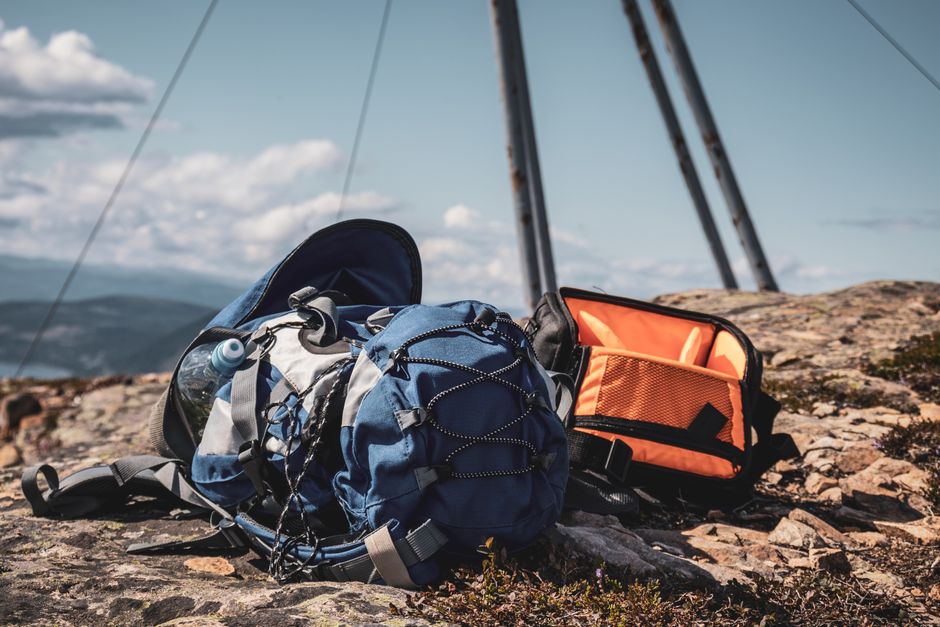
Identify Your Essential Gear
Start by assessing the essential gear needed for your trip. Consider the climate, terrain, and duration of your hike. Prioritize a lightweight tenta sleeping bag rated for the expected temperatures, and a sleeping pad for comfort. These items form the core of your camping setup.
Next, look into cooking supplies. Opting for a compact camping stove rather than multiple cooking items can save weight and serve multiple purposes, such as boiling water and preparing meals simultaneously. For coffee lovers, check out my article on the best camping stove for coffee.
Efficient Packing Techniques
Once you’ve identified your essentials, explore packing techniques to minimize weight and maximize space. Rolling your clothes is an effective strategy; it reduces space while preventing wrinkles. Packing cubes are another option, keeping your gear organized and accessible so you can find items quickly without emptying your entire pack.
When filling your backpack, ensure weight distribution is even. Place heavier items close to your back and near the bottom for better balance. Your backpack should feel like an extension of your body rather than a cumbersome load.

Choose Lightweight Food Options
Food is an area where it’s easy to overpack. Plan your meals using lightweight options like dehydrated meals, energy bars, and nuts. These choices not only save weight but also provide energy with minimal preparation. Ensure that the items you select deliver sufficient nutrition without complex cooking processes.
Bringing a small selection of spices or condiments can enhance basic meals without adding significant weight. Choose lightweight, durable plastic containers over glass to maintain low pack weight. If you’re interested in better sleep while camping, my guide on how to sleep in a sleeping bag comfortably offers great advice.
Optimize Your Clothing Choices
The right clothing can significantly impact your overall pack weight. Opt for multi-functional clothing that allows for layering, such as a lightweight, quick-dry shirt that works as both a base and outer layer. This strategy enables you to carry fewer items, ultimately saving both space and weight.
A frequent mistake is overpacking clothing, assuming you might need extra pairs. Limit yourself to two or three outfits, designed to work together. This approach lightens your load during longer hikes while ensuring you’re prepared for changing weather conditions.
Embrace Minimalism
Minimalism is crucial for achieving an efficient backpacking experience. Each extra pound in your backpack becomes increasingly burdensome on long hikes. By accepting that you won’t have every convenience, you can learn to simplify your gear list.
This minimalist approach extends beyond gear. It fosters greater awareness of your surroundings, enriching the overall experience of your adventure by prioritizing what truly enhances your trip.
Common Packing Mistakes to Avoid
Many travelers mistakenly treat backpacking like a road trip, assuming they can bring excessive gear. The reality is that extra items can hinder mobility and even compromise safety. Overpacking limits your ability to explore or navigate difficult terrain. Scrutinize each item and honestly assess its contribution to your trip.
Another error is neglecting to test your pack weight beforehand. Methodically fill your bag with intended gear to simulate conditions. This practice allows you to adjust weights and discard unnecessary items. If you struggle to manage your pack during a short trial, it’s unrealistic to expect comfort on a longer trek.
Straightforward Recommendations
To ensure an enjoyable backpacking experience, mastering the art of packing light is vital. Concentrate on essentials: gear with multi-functional capabilities, lightweight food options, and versatile clothing choices. This streamlined approach allows you to pack efficiently without compromising comfort.
Take the time to assess and refine your packing list. Embrace minimalism, and you’ll discover how packing light not only enhances your hiking experience but also deepens your appreciation for the outdoors.
Frequently Asked Questions
What items should I not pack for backpacking?
Avoid packing items that are heavy or have low utility, such as extra shoes, unnecessary clothing, and bulky gadgets. Instead, focus on multi-functional gear that serves multiple purposes.
How do I pack efficiently for backpacking?
Roll your clothes instead of folding them to save space, and utilize a packing strategy that includes using stuff sacks or compression bags. Additionally, place heavier items close to your back for better weight distribution.
Why is it important to pack light for backpacking?
Packing light allows for easier movement and reduces fatigue, which enhances your overall hiking experience. A lighter load can help you go further, faster, and make your journey more enjoyable.
How can I reduce the weight of my backpacking pack?
Evaluate and streamline your gear by choosing lightweight materials, leaving behind non-essential items, and combining equipment when possible. Additionally, consider the weight of food and water you’ll carry and plan accordingly.
Is a lighter backpack better for long hikes?
Yes, a lighter backpack is generally better for long hikes as it decreases the physical strain on your body, allowing for greater endurance and less fatigue. It also makes navigating challenging terrain easier.