
Many travelers, myself included, have fallen into the trap of overspending on travel gear. It’s easy to get caught up in the excitement of planning a trip and invest in a slew of gadgets and accessories that promise to improve our travel experience. However, I’ve learned that it’s possible to choose travel gear wisely without breaking the bank.
Understanding how to choose travel gear without overspending involves a few thoughtful steps that can save you money while still equipping you adequately for your journey.
Over the years, I have honed my approach to selecting only those travel accessories that genuinely add value to my adventures. From packing tips to budget travel strategies, I’ve found that being intentional about my gear can lead to both savings and enhanced travel experiences. Below, I’ll share my insights on choosing travel gear thoughtfully, focusing on quality rather than quantity.
Understanding Your Travel Needs
Before heading to the store or browsing online, I always take a moment to reflect on my specific travel needs. My trips may range from weekend road trips to extended international stays, and my gear requirements vary accordingly. Evaluating the specifics of your itinerary can significantly narrow down what you actually need.
Ask yourself what kind of activities you plan to engage in. Are you hiking through national parks, attending business meetings, or lounging on a beach? Each scenario requires different gear. For instance, I found that investing in a quality pair of travel shoes is essential for hiking, while a lightweight packing cube system works wonders for organizing clothes in my suitcase.
Additionally, consider the climate of your destination. For instance, if I’m traveling to a tropical location, I lean towards moisture-wicking clothes and light layers that can easily be layered. In contrast, trips to colder regions require a more heavy-duty packing approach, including insulated jackets and thermal layers.
Setting a Realistic Travel Gear Budget
Once I have a clear understanding of my travel needs, it’s time to establish a budget for my gear. This is critical because it prevents overspending and helps me focus on priority items while maintaining flexibility for adjustments as needed. I typically create a budget for gear that factors in essential items versus nice-to-haves.
For example, a durable carry-on is a must-have for me, while a high-end travel pillow might be a luxury I can skip.
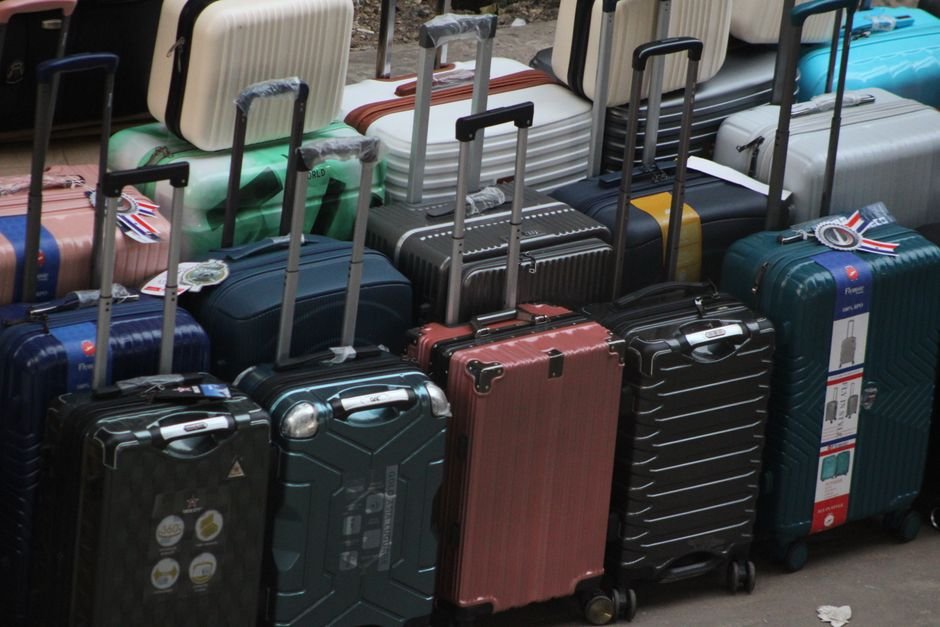
I often break down my budget into segments. For instance, if my overall budget for travel gear is $300, I might allocate $150 for a new suitcase, $100 for clothing, and $50 for accessories like a travel adapter and toiletry bag. This approach helps me weigh the importance of each item and make more informed purchasing decisions.
I find that setting limits and sticking to them keeps my finances on track while enhancing my travel efficiency.
Quality Over Quantity: Investing in Durable Gear
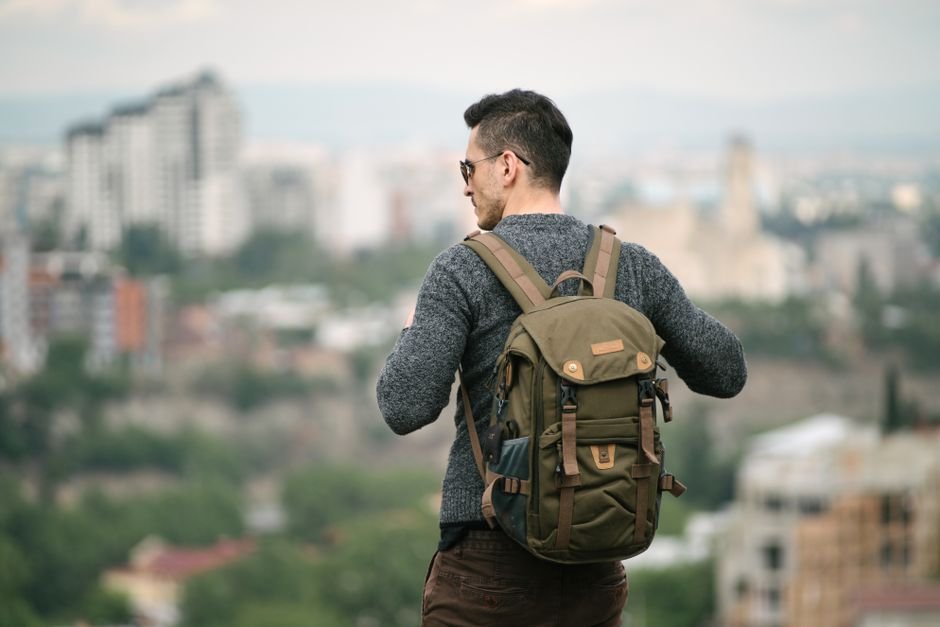
The next principle that has guided my choices is a commitment to quality over quantity. I’ve learned that purchasing fewer but higher-quality items often yields better value in the long run. For example, a sturdy backpack that can hold up against wear and tear for several trips enables me to avoid continually replacing lower-quality bags.
To ensure I’m investing in quality, I pay attention to material, construction, and warranty offerings. For instance, I once purchased a lightweight, waterproof jacket that promised great features but fell apart after one trip. Now, I tend to opt for reputable brands with solid customer reviews and strong warranties, ensuring there’s a safety net in case a product doesn’t meet its promised performance.
Researching and Comparing Gear Before You Buy
Before making any significant purchase, I always dedicate time to research. Online reviews and ratings offer fantastic insights into a product’s real-world performance. In my experience, checking reviews from fellow users can reveal potential issues I wouldn’t notice from a product description alone. Additionally, I’ve found that visiting physical stores to test gear can help me gauge comfort and functionality firsthand.
I also often compare similar products to determine which offers the best value. For example, I recently had to choose between two laptop stands for traveling—it came down to weight, portability, and adjustability. Comparing these factors helped me choose a lightweight, ergonomic option that suited my needs perfectly.
If you’re also faced with deciding between options like a travel laptop stand versus a lap desk, I have a detailed guide on that here: Travel Laptop Stand vs Lap Desk.
Capitalizing on Sales and Discounts
Timing my purchases with seasonal sales can lead to substantial savings. I keep a lookout for significant sales events, such as Black Friday, end-of-season sales, or promotions during national holidays. Additionally, signing up for newsletters from outdoor or travel gear stores often grants access to exclusive deals and early notifications of upcoming sales.
Over time, I learned to carefully track when seasonal discounts occur for specific brands I favor. Combining these deals with loyalty programs often leads to even better offers. This strategic approach allows me to score high-quality items at a fraction of the retail price without waiting for a flash sale.
Renting or Borrowing Gear When Possible
For specialized gear that I might only need occasionally, I’ve found that renting can be a fantastic option. Activities like skiing or camping typically require specific items that may not be worth purchasing outright. I’ve rented gear from reputable companies that offer flexibility when I need it without adding expenses to my luggage.
Additionally, borrowing from friends or family can save significant costs. There’s often mutual benefit in sharing gear that someone might not regularly use, which I’ve found to create an excellent opportunity to try something new without financial pressure.
Packing Tips to Maximize Utility
Packing effectively is another way to help my travel gear go further. I always consider multi-use items or versatile clothing that I can layer creatively. When packing for a trip to Europe, I packed a scarf that doubled as a blanket on the plane and a stylish accessory in the city.
Such approaches help minimize the number of items I need to bring, keeping my focus on quality gear.
Utilizing packing cubes is another strategy I swear by. Not only do they help compartments stay organized, but they also allow me to maximize space efficiently. I’ve detailed my rolling technique to minimize wrinkles in clothes in another piece; you can find that here: How to Roll Clothes for Packing Without Wrinkles.
Common Mistakes to Avoid When Choosing Travel Gear
One mistake I see many travelers make is purchasing trendy items that might not be practical. Flashy products can be tempting, especially if they’re marketed as essential. Stick to gear that truly meets your travel needs rather than what’s “in” at the moment. This will ensure your selections remain functional over time.
Another pitfall I’ve encountered is waiting until the last moment to secure gear. When I’ve rushed my purchases, I often compromise quality or price. Establishing a gear checklist well in advance of travel not only helps keep my spending on track but also allows me to shop thoughtfully.
Expert Tips for Cost-Effective Travel Planning
As I wrap up my gear-focused preparation, I always keep an eye on the holistic view of my travel planning. Considering cost-effective travel options, like using travel esims instead of physical SIM cards, can greatly reduce unexpected expenses. If you’re weighing the benefits of each type of SIM, my article offers detailed comparisons: Travel Esim vs Physical SIM Card.
Incorporating all these strategies allows me to enjoy my travels without the constant stress of overspending. Investing wisely in travel gear should enhance the adventure rather than detract from it. To further enhance your understanding of this topic, you can check out this resource on How to Choose Travel Gear Without Overspending.