
To effectively learn how to clean camping gear, start by using a mixture of warm soapy water and a soft brush to remove dirt and grime, as regular maintenance can extend the lifespan of your equipment by up to 30%. Neglecting this cleaning process risks damage and mildew, so choosing the right cleaning products is vital for preserving your camping gear's condition.
This guide provides straightforward methods for cleaning tents, backpacks, and other essential items. Once you understand the best practices, you’ll handle gear maintenance with confidence.

Cleaning Tents: Best Practices
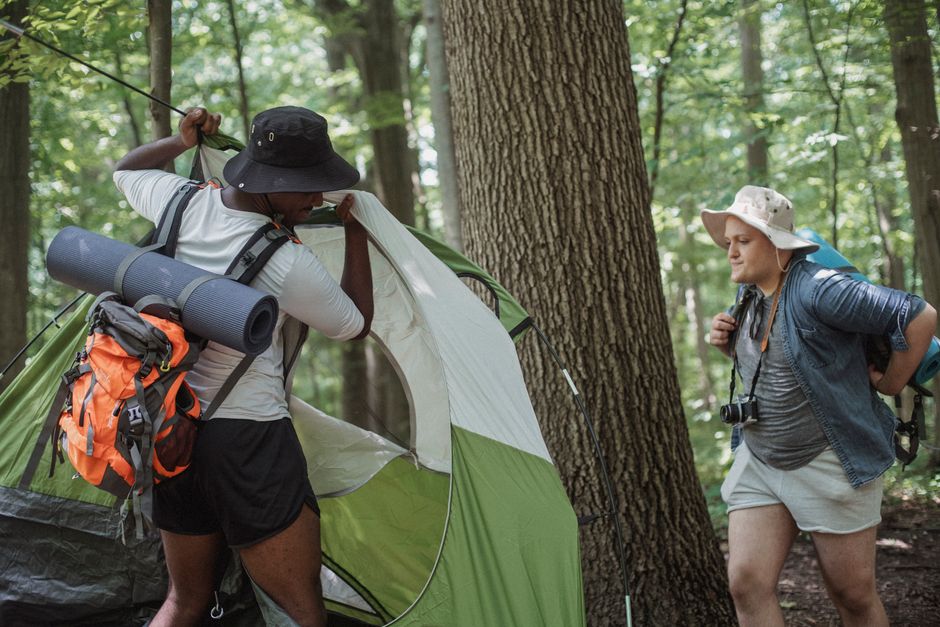
Tents are often one of the most significant investments in camping gear and require special care. Clean your tent after every two to three trips or whenever it’s visibly dirty. Start by taking the tent outside and spreading it on a clean, dry surface. Use gentle soap instead of harsh detergents or bleach to protect the fabric.
Follow these cleaning steps:
- Shake out any dirt or debris to remove it gently.
- Mix a few drops of mild soap with warm water in a bucket.
- Clean the tent fabric with a sponge, focusing on stains or spots.
- Rinse thoroughly with cool water to eliminate soap residue.
Make sure to dry your tent completely before packing it. Packing a damp tent can lead to mold and mildew, which compromises the material.
Effective Backpack Cleaning Techniques
Backpacks often gather dirt, especially with regular hiking use. Cleaning them regularly maintains their structure and appearance. Before cleaning, remove all contents and empty pockets. Check the care label for specific cleaning instructions, as each backpack may have unique requirements. Generally, a similar soap solution is effective as with tents.
Here’s how to care for your backpack:
- Use a damp cloth to wipe down the exterior and straps, removing surface dirt.
- For tough stains, spot-clean with a sponge soaked in soap solution.
- If materials allow, you may wash softer parts on a gentle cycle in a machine.
Let it air dry fully in a shaded area to prevent fading and fabric damage. Remember to clean zippers to avoid sticking caused by accumulated debris.
Cleaning Sleeping Bags Safely
Sleeping bags can hold moisture and odors, necessitating regular washing. Use a front-loading washing machine instead of a top-loader to protect the fabric agitating. Select a mild laundry detergent designed for technical fabrics to preserve insulation.
Here’s how to effectively clean your sleeping bag:
- Check the label for specific washing instructions; some bags allow hand washing.
- Use a cold water setting on a gentle cycle for machine washing.
- Include clean tennis balls in the dryer to help fluff insulation during drying.
Ensure the bag is completely dry to maintain its loft and warmth.
Proper Gear Storage Techniques
Once your gear is clean, storing it properly is crucial. Improper storage can cause damage just as cleaning techniques can. Store tents loosely in a cool, dry place, avoid compressing them in bags for long periods, which can degrade waterproofing.
For sleeping bags and backpacks, consider these tips:
- Store sleeping bags in large cotton or breathable bags to avoid compression.
- Keep backpacks in a dry location out of direct sunlight to prevent fabric damage.
- Utilize containers or shelves to organize smaller gear for easy accessibility.
Effective organization simplifies preparation for your next trip.
Reapplying Waterproofing
After cleaning, waterproofing your gear, especially tents, is vital. Over time, waterproof coatings can wear off, leading to leaks. Aim to reapply a waterproof treatment before extended trips or if leaks are detected.
To properly waterproof your tent:
- Select a waterproofing spray suitable for the material.
- After cleaning and drying, apply the spray evenly on the outer fabric.
- Allow it to dry entirely before packing it away.
Regularly waterproofing your gear increases its longevity and helps maintain comfort and safety during adventures.
Common Mistakes to Avoid
Many campers make easily avoidable mistakes. One frequent issue is using harsh cleaners that can damage gear. Always check labels and use mild options. Additionally, neglecting to dry gear completely before storage invites mildew, which is challenging to eliminate.
Swiftly addressing odors is also crucial. If you notice any smells, wash your gear immediately; this proactive measure saves time and hassle later.
Final Verdict on Cleaning Camping Gear
Cleaning your camping gear doesn’t have to be a chore. Focus on gentle cleaners, thorough drying, and waterproofing treatments. Regular maintenance converts camping equipment into a long-term investment, avoiding the need for premature replacements.
For seasoned campers and newbies alike, these steps will keep your gear in optimal condition for countless adventures. Take care of your equipment; it deserves the investment.
Our write-up on camping stoves picks up where this leaves off.
For more, read about cooking gear.
Frequently Asked Questions
How do you clean a tent without damaging it?
To clean a tent without damaging it, use a soft sponge or cloth and a mixture of mild soap and water. Avoid using harsh detergents or scrubbing pads, and always rinse thoroughly with clean water to remove any soap residue.
Can you wash a sleeping bag in a washing machine?
Yes, you can wash a sleeping bag in a washing machine, but use a front-loading machine on a gentle cycle with cold water to prevent damage. Be sure to use a detergent specifically designed for down or synthetic materials, depending on your sleeping bag type.
What supplies do I need to clean camping gear?
You will need mild soap, a soft brush or sponge, microfiber cloths, a hose or bucket of clean water, and possibly waterproofing spray for items like tents after cleaning. Additionally, consider specialized cleaners for specific materials like a down cleaner for sleeping bags.
Is it safe to use bleach on camping gear?
No, it is not safe to use bleach on camping gear as it can weaken fabrics and compromise the integrity of the gear. Instead, opt for mild soap or cleaners specifically made for cleaning outdoor equipment.
Why is it important to clean camping gear?
Cleaning camping gear is important to remove dirt, moisture, and food particles that can attract pests or cause mold and mildew. Regular cleaning also extends the life of your gear and ensures it functions properly during your next camping trip.