
One missed ingredient can ruin a camping trip, leading to frustration and hunger when you're miles from the nearest store. A well-thought-out camping meal plan helps ensure you have everything needed for enjoyable meals, without overpacking or stressing about logistics. Here's how to create a plan that prioritizes ease and satisfaction.
The first step in building a solid meal plan is understanding your camping needs. Assess the length of your trip, the number of people you’ll be feeding, and dietary preferences or restrictions. A weekend back at the campsite might require less planning than a week-long excursion.
If you’re hiking, you’ll also need to consider meal prep for hiking to minimize weight and maximize energy.
Identify Meal Types and Frequencies
Once you know your basics, think about meal types and how often you’ll eat. For instance, on a three-day trip, I generally plan for eight meals: six dinners and two breakfasts (lunch can be snacking or leftover dinners). Let’s break it down further:
- Dinners: Typically hearty meals to refuel after a day of activities. I love campfire recipes that are easy to cook over a fire or on a portable stove.
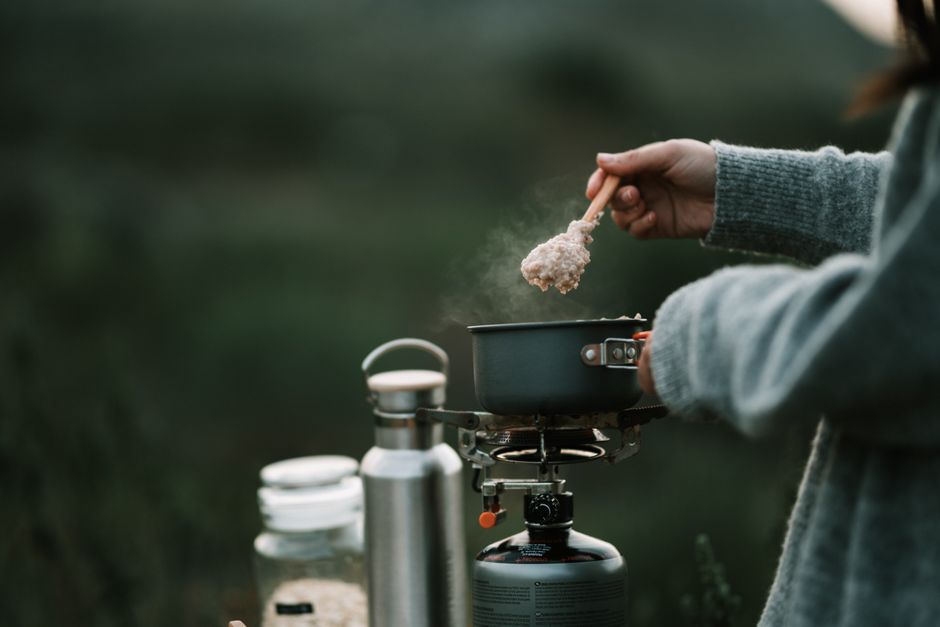
- Breakfasts: These should be quick and energizing. Think oatmeal or granola, with minimal cleanup.
- Snacks: Always carry a good variety. Trail mix, energy bars, and fresh fruit go a long way.
Planning meals at a ratio of 2:1 for dinners to breakfasts is a good starting point. Once you have the rough blueprint, you can focus on the specifics, which leads us to the next step.
Craft a Camping Food List
With meal types in mind, it’s time to break out your camping food list. Make a detailed list of all ingredients needed for each meal. I recommend categorizing foods into sections: proteins, grains, vegetables, and snacks, which simplifies shopping and packing. Here’s a simple way to think about it:
- Proteins: Canned beans, lentils, jerky, or fresh chicken (if you have a cooler).
- Grains: Rice, pasta, or tortillas are easy to cook and pack.
- Vegetables: Carrots, bell peppers, and onions hold up well and can be used in multiple dishes.
- Snacks: Don’t forget nuts, cheese, and crackers for munching between meals or while hiking.
Keep the freshness of your ingredients in mind; if you’re going for a longer trip, consider shelf-stable options or dehydrated meals. They can save space and weight in your pack.
Essential Ingredients for Outdoor Cooking
When thinking about how to create a camping meal plan, consider what cooking equipment you’ll have. If you’re limited to a campfire, bring items that can be cooked over an open flame or on a grate. Some ingredients, like pre-seasoned meat or foil packets of veggies, can save time and cleanup.
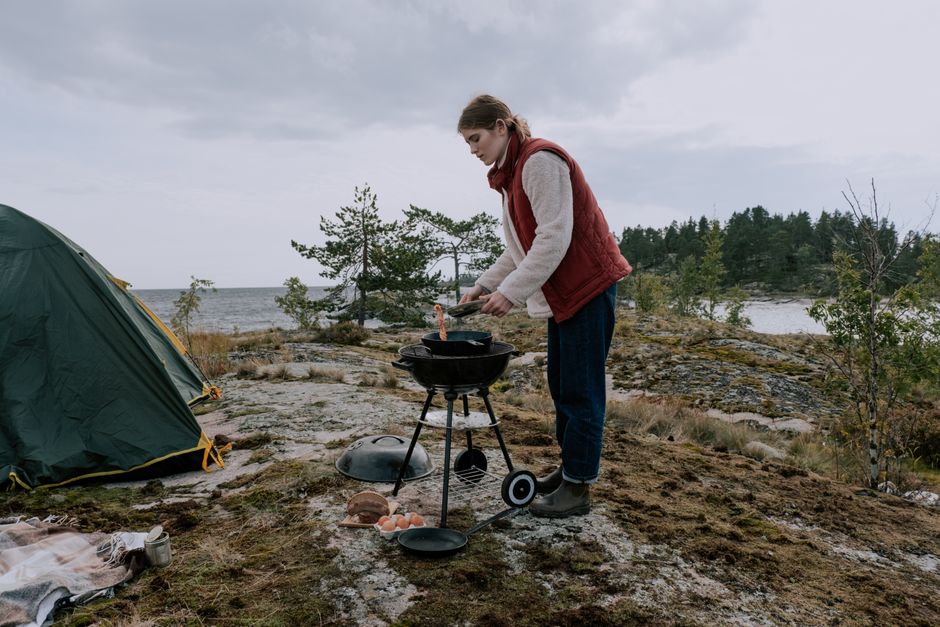
For those with portable stoves or grills, you might want to bring items that require boiling or frying such as:
- Pasta and sauces (easy to rehydrate if using dried).
- Rice and spices for flavoring.
- Eggs in a cooler for breakfast or quick snacks.
Having meals that only need one pot saves on cleanup. If I’m packing a multi-day meal, I often prep individual ingredients at home. I’ll chop vegetables or marinate meats ahead of time, packaging them in resealable bags to save time at the campsite. This is where planning becomes essential.
Meal Prep to Save Time
Effective meal prep before heading out is key to a smooth camping experience. Once you’ve planned meals and laid out your shopping list, take an afternoon to prepare things. I usually focus on:
- Pre-Cooking: For short trips, cook and freeze dishes like chili or casseroles. They double as ice packs in your cooler.
- Marinating Proteins: Marinated chicken or fish not only enhances flavors but reduces prep time at camp.
- Pre-portioned Snacks: Divide snacks into individual portions to make it easy to grab and go.
Meal prepping not only saves time but also minimizes the need for various cooking supplies, which is crucial when camping.
How to Adjust for Group Needs
Feeding a group? Then you absolutely need to consider everyone’s preferences and restrictions. I once had a friend who was vegetarian, so I made sure to plan meals that accommodated her without feeling like an afterthought. This might mean having a veggie burger option while still grilling hot dogs for the others. Involving the entire group in planning can help balance out expectations.
Make a list of everyone’s dietary needs, it’s easy to overlook allergies or preferences when you’re focused on logistics. Think about meals that can be easily adapted. For instance, you can prepare foil packets with assorted veggies and proteins for each person to enjoy customized meals.
Plan for Cleanup and Waste Management
Every meal plan must include a strategy for cleanup. Having a designated area for food prep and disposal not only keeps your camp tidy but also minimizes wildlife encounters. This includes:
- Bringing trash bags: Always pack out what you pack in, including food scraps.
- Reusable containers: Use them for both cooking and storing leftovers.
- Biodegradable soap: This is a must if you’re planning to wash dishes in natural water.
Trust me; a little time spent thinking about cleanup will pay off by keeping your camping site clean and enjoyable. It’s essential for maintaining the environment and ensuring future camping trips aren’t impacted by past habits.
For more, read about best budget camping.
Final Thoughts: Streamline Your Camping Meal Planning
For a hassle-free experience, consider ready-to-eat meals for quick setups, or invest in a portable stove for more elaborate cooking options if you have a larger group. Each option caters to different levels of cooking enthusiasm and experience, ensuring that everyone can enjoy satisfying meals under the stars.
Frequently Asked Questions
What food is best for camping trips?
Foods that are non-perishable, lightweight, and easy to cook are best for camping trips. Examples include canned goods, dried fruits, nuts, whole grain crackers, and ready-to-eat meals.
How do you plan meals for a camping trip?
To plan meals for a camping trip, consider the number of nights you'll be camping and the group size, then create a menu that includes each meal. List ingredients needed, and try to select recipes requiring minimal cooking equipment to simplify preparation.
Can you prepare meals ahead for camping?
Yes, you can prepare meals ahead for camping by pre-cooking and freezing dishes that can be easily reheated over a campfire or camp stove. Opt for meals that hold up well during transport, such as casseroles or marinated meats.
What are some easy camping breakfast ideas?
Easy camping breakfast ideas include instant oatmeal, breakfast burritos, granola with yogurt, and ready-to-eat cereal. You can also make egg and vegetable foil packets that can be cooked over the fire.
How to store food safely while camping?
To store food safely while campinguse airtight containers or resealable bags to keep items fresh and protected from animals. Also, keep perishable items in a cooler with ice, and avoid storing food in tents to minimize attraction to wildlife.