
To learn how to pack meals for backpacking effectively, focus on lightweight, nutrient-rich foods, such as dehydrated meals or energy bars, which can provide up to 600 calories per serving while taking up minimal space. By prioritizing efficiency and calorie density, you can enjoy satisfying meals without the burden of heavy, bulky options.
Effective food packing is essential for any successful backpacking trip. Understanding your options will help you pack meals that not only save weight but also maintain their freshness over time. Here’s how to pack meals efficiently for your next hike.

Choosing Nutrient-Dense Backpacking Foods
Not all foods are suitable for the backcountry. Focus on calorie-dense, nutrient-rich options that pack well. Dehydrated meals are among the best choices, offering about 600-800 calories per serving while occupying minimal space. They are lightweight and require only water to prepare.
Vacuum-sealed foods can also extend shelf life and maintain freshness, especially on longer treks. While there’s an initial cost for vacuum-sealing equipment, the reduced waste and improved nutrition can offer substantial savings in the long run.
Minimizing Weight for Long Trips
In backpacking, every ounce matters. Low-calorie items can weigh you down with unnecessary bulk. Opt for high-energy foods such as nuts, nut butters, and dried fruits. Instead of carrying a cumbersome bag of trail mix, divide it into smaller portions to better manage both weight and caloric intake.
For example, replacing traditional bread with tortillas can save space. Tortillas provide versatility for wraps, easily stuffed with peanut butter and banana or canned chicken for easy meals on the go.
Maintaining Freshness in the Backcountry
Keeping food fresh is vital, especially on extended trips. Fresh fruits and vegetables can be challenging to manage, so prioritize hardy options such as carrots, bell peppers, and apples, which hold up better in a pack.
If you’re going on a shorter trip, cooler packs can help. For longer journeys, consider pre-cooking and vacuum-sealing meals, making them convenient, simply add hot water to enjoy a prepared dish.
Effective Food Packaging Practices
Organizing meals and snacks using clear freezer bags prevents clutter and allows for easy access while hiking. Label each bag with meal names and preparation instructions to avoid confusion when hunger strikes.
For canned goods, opt for lightweight options, or consider freeze-dried foods that require minimal prep and are easy to eat.
Logistics of Efficient Packing
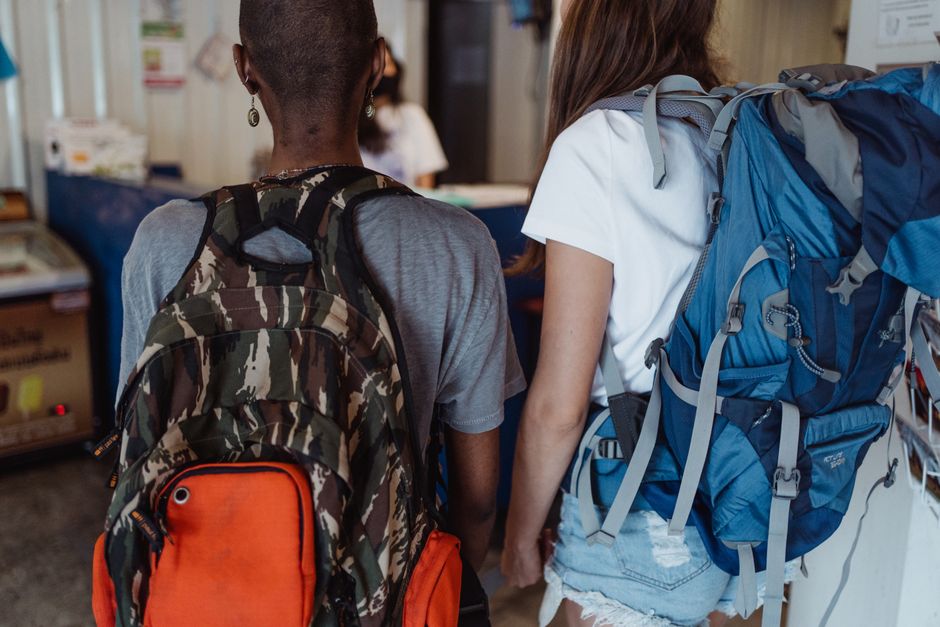
To optimize your packing strategy, place heavier items at the bottom and close to your back for better weight distribution. This setup ensures comfort during your hike and ease of access to snacks without digging through your entire pack.
Utilize collapsible containers that take up less space when empty, and incorporate compression sacks to remove excess air from food bags, helping to compact your gear efficiently.
Prioritizing Nutrition While Hiking
Packing nutritious meals is crucial. A balanced ratio of 60% carbohydrates, 25% protein, and 15% fats will keep energy levels steady. While it might be tempting to rely on granola bars and candy, they offer quick energy bursts that can lead to crashes later in the day.
Focus on energy-dense foods that will sustain your energy during long stretches on the trail.
Proper Hydration Practices
Hydration is just as important as food. Packing electrolyte powders can efficiently replenish minerals lost to sweat. Lightweight water purification tools are essential to ensure access to safe drinking water during your hikes.
Identifying Foods to Avoid
Certain foods may not suit everyone’s digestive needs. Those prone to digestive issues should steer clear of high-fat and high-fiber foods, which can lead to discomfort. Choose easily digestible items and plan meals that align with your dietary requirements.
Be aware of allergens by selecting packaged foods with clear labeling. Quality nutrition not only affects energy levels but helps prevent issues like inflammation and fatigue.
Streamline Your Meal Packing for Success
– Choose dehydrated or vacuum-sealed meals to save space.
– Focus on calorie-dense foods for an optimal energy supply.
– Use freezer bags to keep meals organized and prevent spoilage.
– Prioritize a balanced nutritional profile for sustained energy.
– Stay hydrated with effective water purification methods.
With thoughtful preparation, meal packing for backpacking becomes straightforward. Skip the soggy sandwiches and powdered meals, fill your pack with nutrient-rich options that enhance your outdoor culinary experience.
Worth reading alongside this: camping stove for backpacking.
If that matters to you, our piece on backpacking packing list goes further.
Frequently Asked Questions
What are the best foods to pack for backpacking?
The best foods to pack for backpacking include lightweight, high-calorie options such as nuts, dried fruits, energy bars, and dehydrated meals. These foods provide essential nutrients while being easy to carry and quick to prepare.
How do you keep food fresh while backpacking?
To keep food fresh while backpacking, use airtight containers or resealable bags, and consider using a small cooler with ice packs if you’re carrying perishable items. Organizing food in a way that minimizes exposure to air and moisture will also help to preserve freshness.
Can you pack fresh fruit for backpacking?
Yes, you can pack fresh fruit for backpacking, but it’s best to choose durable fruits like apples or oranges that are less likely to bruise. Avoid packing soft fruits like bananas, as they can get squished and spoil quickly.
Why is calorie density important for backpacking meals?
Calorie density is important for backpacking meals because it allows backpackers to carry fewer items while still meeting their energy needs for strenuous activities. Foods that are high in calories relative to their weight enable efficient energy intake without adding unnecessary bulk.
How do temperature variations affect backpacking food?
Temperature variations can affect backpacking food by increasing the risk of spoilage for perishable items and potentially degrading the quality of packaged foods. It’s important to plan meals that are suitable for the temperature conditions you may encounter and to store food properly to minimize these effects.