
Seven out of ten campers struggle with meal planning, which can lead to frustration and wasted food. Preparing your meals in advance ensures that you have the ingredients and tools you need, turning your outdoor cooking into a breeze rather than a hassle.
When I plan meals for campingI focus on how to plan meals for camping efficiently, avoiding common pitfalls. This means considering not just the foods themselves, but also how they will be stored, cooked, and enjoyed. Here’s how I do it.

Avoid Last-Minute Decisions
One of the biggest mistakes people make is waiting until the day before a trip to decide what to eat. Without a plan, you may end up packing random snack items rather than balanced meals. That leads to wasted food or an unsatisfying experience. Instead, I recommend creating a detailed meal plan at least a week before you leave.
List every meal, from breakfast to dinner, including snacks. This will help you organize your grocery shopping, making it easier to shop in one trip. Aim for meals that are simple to prepare, ideally only requiring minimal cooking or prep time. Thinking ahead saves you stress while camping.
Don’t Neglect Meal Prep
Many campers skip meal prep altogether, which can result in extra work and mess when it’s time to eat. I always dedicate a few hours before the trip for meal prep. For example, I’ll chop vegetables, marinate meat, and even mix dry ingredients for meals like pancakes or stir-fry. This not only saves time but also ensures that everything is ready to go.
You’ll thank yourself when you have more time to relax around the campfire.
Consider using resealable bags for easier storage. They’re lightweight, easy to pack, and minimize cleanup. Plus, they prevent spills in your cooler.
Choose Ingredients Wisely
Another common oversight is not considering how perishable your ingredients are. If you plan to camp for several days, think about shelf-stable options that still pack a nutritional punch. Foods like canned beans, dry grains, nuts, and hard cheeses travel well and can minimize waste.
I love using whole grains like quinoa or brown rice as they keep well and provide energy. Adding a few spice packets or sauces allows for a variety of flavors without requiring lots of different ingredients. You’ll find that cooking with fewer items can enhance your creativity.
Don’t Forget Food Storage
Improper food storage can ruin your camping experience. Many people underestimate the importance of a good cooler or food storage system. A quality cooler keeps perishables fresh longer, reducing the risk of spoilage. I recommend a cooler with thick insulation that can retain ice for several days.
If you’re not using a cooler, pack ice packs or frozen water bottles. They can help keep your food cold without the mess of melting ice. Remember to store food in airtight containers to prevent attracting wildlife, which can turn your peaceful trip into a chaotic encounter.
Get the Right Camp Kitchen Equipment
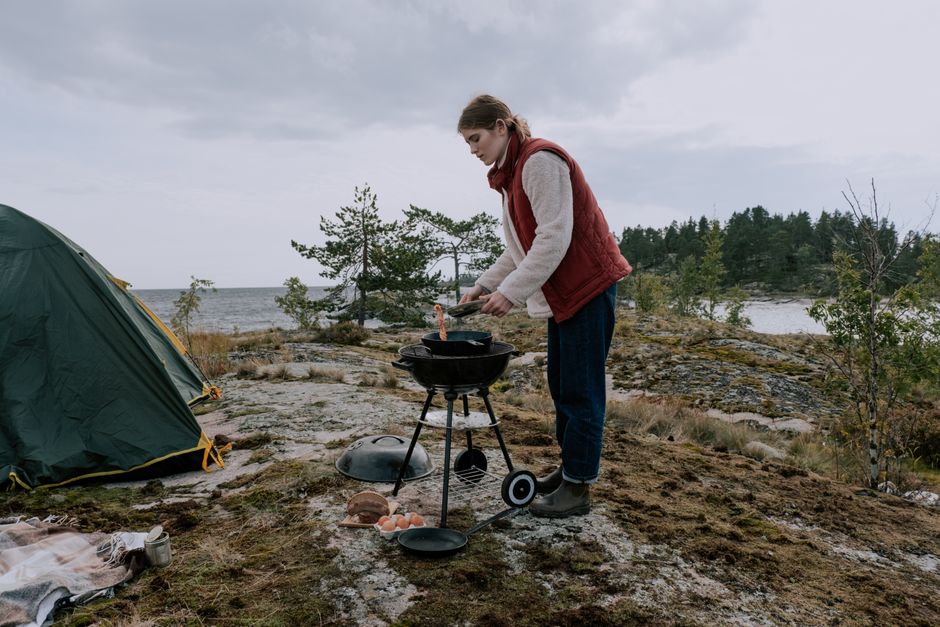
Having the correct camp kitchen equipment is crucial for efficient meal preparation. A common mistake is overpacking tools or bringing unnecessary items. Focus on multi-functional tools to save space and weight.
At minimum, I recommend bringing:
- A portable stove or a campfire cooking grate
- A pot and a pan
- Utensils: a spatula, a spoon, and a knife
- A cutting board
- Plates, cups, and forks or spoons
Some people also find it useful to pack an outdoor coffee maker or a kettle if they enjoy coffee in the morning. Lightweight and compact options can significantly enhance your camping kitchen experience without taking up much space in your pack.
Incorporate Simple Camping Recipes
When it comes to meals, simplicity reigns supreme. A common mistake is underestimating the beauty of easy meals. Think one-pot pasta dishes, foil packet dinners, or grilled kebabs. These options are not only easy to cook with limited equipment but also lead to less cleanup.
One of my go-tos is a foil packet dinner. You just combine protein, veggies, and seasonings in aluminum foil and cook it over the fire. They’re customizable, too. Whether you use chicken, fish, or veggies, you can tailor them to suit everyone’s tastes.
Don’t Forget Snacks!
Snacks are a critical part of any camping meal plan, yet many people forget to plan these adequately. You’re going to need quick energy boosts, especially if your trips involve hiking or activities. Do yourself a favor and bring along easy-to-eat snacks like trail mix, beef jerky, or granola bars.
Additionally, I always pack some fresh fruit like apples or oranges. They travel well, provide hydration, and make for a great snack without much effort. Snack planning is just as important as meal planning, so be sure to include it!
Summing Up Your Camping Meal Plan
For a streamlined experience, consider pre-packaged meals for simplicity if you're camping with beginners, while seasoned campers might enjoy the creativity of preparing fresh ingredients on-site. This way, you can tailor your approach to suit different skill levels and preferences.
Frequently Asked Questions
What are the best foods to take camping?
The best foods for camping include non-perishable items such as canned goods, dried fruits, nuts, jerky, and granola bars. You can also bring easy-to-cook foods like pasta, rice, and pre-packaged meals that only require boiling water.
How do you plan meals without refrigeration?
To plan meals without refrigeration, focus on shelf-stable ingredients such as grains, legumes, canned vegetables, and vacuum-sealed proteins. Meal options can include things like cold sandwiches, wraps, and dehydrated meals that only require hot water to prepare.
Can you prepare meals in advance for camping?
Yes, you can prepare meals in advance by cooking and then freezing them or packing them into convenient portions. Just ensure they are stored in airtight containers to maintain freshness and reduce spoilage during your trip.
Why is meal planning important for camping?
Meal planning is crucial for camping as it helps ensure you have enough food for your group, reduces the likelihood of waste, and allows you to pack efficiently. It also enhances the overall camping experience by minimizing stress associated with cooking and meal choices on-site.
How to minimize waste when camping?
To minimize waste when camping, bring reusable containers for food storage, pack only the necessary amount of ingredients, and choose foods with minimal packaging. Additionally, consider using compostable utensils and plates to reduce trash.