
Over 80% of campers report that cooking over a campfire enhances their outdoor experience significantly. Setting up a campfire for cooking requires careful planning and attention to detail, which can turn your meal preparation into a safe and enjoyable activity.
When I first set out to master campfire cookingI realized quickly that the success of my meals depended heavily on how I built my fire. From choosing the right location to selecting the right firewood types, each step contributes to the overall success of my cooking experience.
<img src="

” alt=”Campfire cooking setup” />
Choosing the Right Spot for a Campfire
Picking a suitable location for your campfire is more important than you might think. Look for a flat area away from overhanging branches and flammable materials. Ideally, it should be at least 10 to 15 feet away from your cooking area to prevent accidents. This distance allows for adequate space when cooking and minimizes the risk of wayward sparks igniting your gear.
Additionally, consider wind direction. A fire can easily get out of control with a strong breeze, so it’s wise to position your fire downwind from your cooking spot. This not only enhances safety but also keeps smoke from wafting into your cooking area.
Essential Materials for Campfire Cooking
The right materials are crucial for constructing a functional campfire. You’ll need a combination of kindling, firewood types, and cooking equipment. To start, gather tinder, such as dry leaves or small twigs; this is essential for igniting the fire. Next, use thin sticks or small branches for kindling, followed by larger logs for the main fuel source.
When it comes to firewood types, hardwoods like oak and maple burn longer and hotter, providing an ideal cooking flame. Softwoods like pine ignite faster but burn out quickly and can produce more smoke, which isn’t great for cooking. Always avoid using driftwood or treated lumber, as they can release toxic chemicals when burned.
<img src="
” alt=”Campfire cooking essentials” />
Fire Building Techniques for Cooking
Building your fire involves more than just piling up some logs; it requires a strategic approach. One popular method is the teepee structure, where kindling stands and larger logs are arranged in a cone shape. This allows for proper airflow and an efficient flame that’s perfect for cooking.
Start by placing your tinder in the center, then surround it with kindling in a teepee style, followed by larger firewood.
For a more stable cooking setup, consider using a log cabin structure, where logs are stacked in a square formation. This technique provides a steady heat source and is less likely to collapse compared to the teepee. Either way, ensure you leave enough space for air to circulate; a good fire needs oxygen to thrive!
Cooking Equipment to Enhance Your Campfire Meal
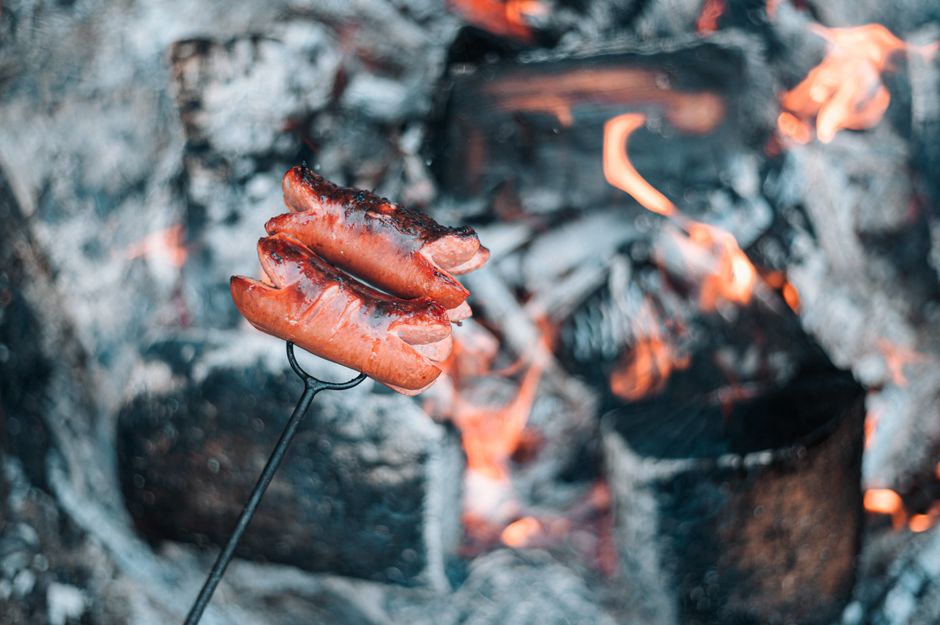
Using the right cooking equipment can elevate your campfire experience significantly. Grilling grates or skewers are great for basic cooking, while cast iron skillets or Dutch ovens provide versatility for stews and baked goods. If you’re serious about your outdoor cookinginvesting in a portable campfire grill can make things easier.
Remember to keep your tools light and compact unless you have a vehicle carrying your gear. Lightweight tools not only reduce your load but also simplify cooking, allowing you to focus on preparing tasty meals. If you need more suggestions on what tools to pack, check out my guide on outdoor cooking utensils.
Campfire Safety Practices
While campfires can be enjoyable, they come with risks. Always keep a bucket of water or sand within reach to extinguish flames if necessary. Make sure you’re aware of local regulations; some areas may have fire bans depending on the season. Always extinguish your fire completely before leaving the campsite. This responsibility ensures the safety of wildlife and future campers.
When cooking, also be cautious of utensil placement. Use long-handled tools to avoid burns and keep a close eye on the potential for flare-ups, especially with fat-heavy foods. It’s better to play it safe than to risk an accident that could spoil your outing.
How to Properly Extinguish a Campfire
Putting out a campfire is just as important as building it. Start by letting the fire burn down to ashes if possible. Once the flames subside, sprinkle water liberally over the ashes until you hear the hissing sound fade. Stir the ashes around with a stick to ensure all embers are soaked thoroughly.
If you don’t have water available, you can use dirt or sand, but water is always the best choice. After you put out the fire, ensure that all materials are cool to the touch, this confirms that no lingering heat remains. This is a crucial step not only for your safety but also for the environment.
What to Cook Over a Campfire
The options for cooking over a campfire are nearly endless. You can roast marshmallows for s’mores or cook more substantial meals like grilled meats or roasted vegetables. But remember, cooking times vary with fire types. Foods like potatoes take longer to cook, while thinner cuts of meat require less time on the grill.
Consider preparing foil packets filled with your favorite ingredients. These neatly package everything and allow easy cooking on the fire’s embers while maintaining flavor. For something unique, try putting a cast-iron skillet directly on the fire for breakfast frittatas. Creativity opens the door to delicious meals, so don’t hesitate to experiment!
Common Mistakes in Campfire Cooking
One common mistake I’ve noticed is attempting to cook too soon after starting the fire. If you don’t allow the flames to settle, you could end up with unevenly cooked food or charred outsides with raw insides. Aim to build your fire at least 30 minutes before you plan to cook; this allows time for a good bed of hot coals to form.
Another issue arises from not properly managing the fire’s heat. Too much heat can burn your food quickly, while not enough will leave you waiting impatiently. Learn to adjust by moving your cooking equipment to different positions near the fire for varying heat levels. This skill will improve with practice and make you a more confident camp cook.
Verdict on the Best Practices for Campfire Cooking
For those seeking efficiency, portable camping stoves offer quick setup and cleanliness, ideal for families or large groups. However, if you want the authentic flavor of charred food, traditional campfires are unmatched, especially for those comfortable with fire management.
Frequently Asked Questions
How do you safely set up a campfire?
To safely set up a campfire, choose a clear, open area away from tents, trees, and other flammable materials. Create a fire ring using rocks or use a designated fire pit, and ensure you have a bucket of water or sand nearby for emergencies.
What materials are needed for a campfire?
You'll need tinder (such as dry leaves or grass), kindling (small sticks or twigs), and larger logs for fuel. Ensure all materials are dry to help the fire ignite and stay lit.
Is it safe to cook directly over a campfire?
Yes, it is safe to cook directly over a campfire if you maintain a safe distance and use proper equipment like a grill grate or a cooking pot. Always supervise the fire while cooking to prevent flare-ups.
Can campfire smoke affect food taste?
Yes, campfire smoke can add a smoky flavor to food, which many people enjoy. However, excessive smoke can also impart a bitter taste, so it's important to manage the fire and wood type used.
Why is my campfire not staying lit?
Your campfire may not be staying lit due to damp materials, insufficient airflow, or inadequate fuel. Ensure you use dry wood, arrange the logs for good ventilation, and add more kindling or tinder as needed.