
To stay safe while camping in the wilderness, always carry a first aid kit, which can address common injuries and emergencies that 30% of campers face during trips. Effective preparation is crucial, as it can transform a potentially distressing ordeal into a cherished outdoor experience.
Wildlife encounters are a prevalent concern. The thought of a bear invading your campsite is daunting, but staying calm and taking preventive steps can significantly reduce these risks. From proper food storage to heightened situational awareness, these strategies can keep you safe from unexpected wildlife interactions.
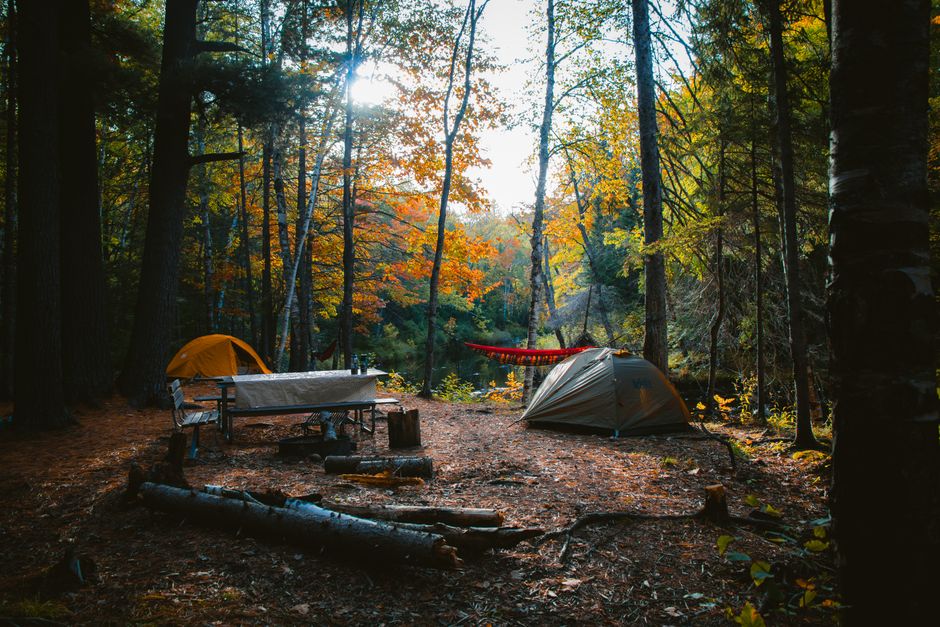
Identify and Understand Risks
Awareness of environmental risks is crucial for a safe camping experience. Research the area you plan to camp in: does it have a history of bear sightings or venomous snakes? Are there plants to avoid, such as poison ivy? Gaining this insight empowers you to make informed decisions before your trip.
Weather also plays a significant role in safety. Sudden storms can transform a camping trip into a perilous situation. Therefore, check the weather forecast before and during your outing. If severe weather is in the forecast, consider postponing your trip or preparing gear suitable for harsh conditions, like a reinforced tent designed to withstand high winds and heavy rain.
Proper Food Storage Prevents Wildlife Encounters
Proper food storage is essential for avoiding wildlife encounters. Many campers fail to secure their food adequately, leaving it vulnerable to animals. Always store food away from your tent, using bear-proof containers or hanging it at least ten feet off the ground and four feet from the trunk of a tree. This simple step deters bears and raccoons and keeps small critters from raiding your supplies.
Cleanliness is equally important. After meals, promptly wipe down surfaces, pack leftovers, and dispose of trash in sealed bags. Neglecting these precautions can attract animals to your campsite, increasing the risk of unwanted encounters.
Campfire Safety is Essential
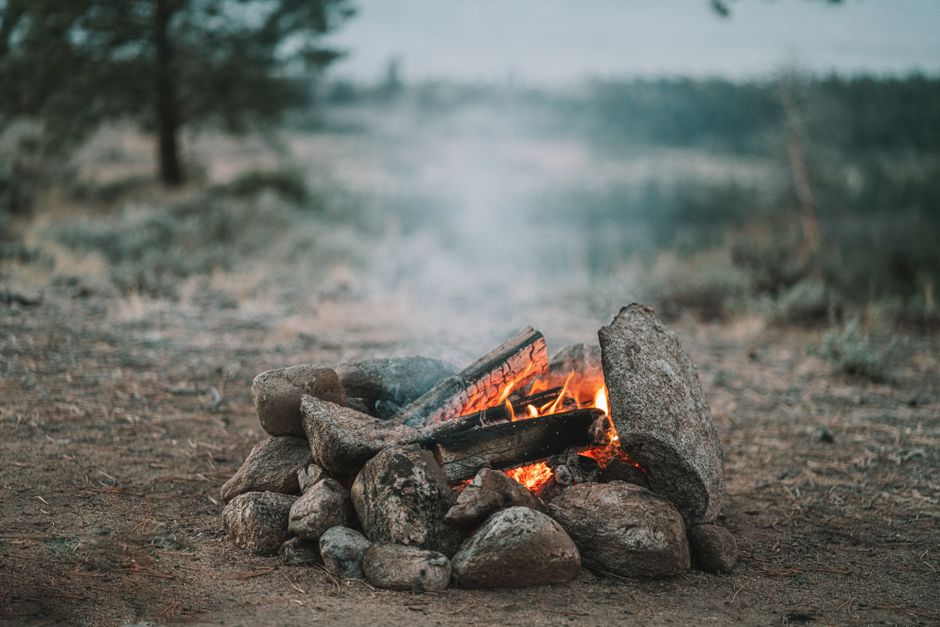
Campfires can enhance your camping experience, but they carry inherent risks. Uncontrolled fires can lead to disastrous situations. Always check local regulations about open flames, especially during dry conditions, to avoid fines and prevent wildfires.
When building a campfire, position it away from overhanging branches and flammable materials. A fire pit can contain the flames effectively. Keep a bucket of water or sand nearby to extinguish the fire quickly. Most importantly, never leave a fire unattended, especially in windy conditions, and ensure it is completely out before leaving, cool to the touch, not smoldering.
Emergency Preparedness is Key
No matter how well you plan, emergencies can happen. An emergency preparedness kit is a must-have. It should include first aid supplies, a whistle, a flashlight, and a multi-tool. A well-stocked first aid kitcomplete with antiseptics, bandages, and pain relief, can be a lifesaver in case of injuries or illnesses.
An emergency communication device is another vital component. Cell service can be unreliable in remote areas. Invest in a satellite phone or personal locator beacon (PLB) to ensure help can be summoned quickly if needed.
Rehearse your emergency plan with your group. Make sure everyone knows how to use the first aid kit and emergency communicators, and establish a meeting point in case anyone gets separated. Being prepared can ease panic in unexpected situations.
Don’t Underestimate Weather Changes
Ignoring weather conditions poses serious risks. Continuously assess your surroundings; a sunny day can rapidly turn into a storm. Equip yourself with gear suitable for varying weather, such as a rainfly for your tent, layered clothing, and durable footwear.
Be mindful of temperature shifts. Always carry extra layers, regardless of the season. On chilly nights, a warm hat and gloves can vastly increase comfort.
Effective Navigation Keeps You Safe
Exploring is part of the adventure, but using reliable navigation tools prevents disorientation. Many campers mistakenly rely solely on smartphone GPS, which can be unreliable in remote areas. Bring a paper map and compass as backup, especially since battery life can deplete quickly.
Before your trip, familiarize yourself with maps of the area. Mark trails, points of interest, and emergency exit routes, ensuring you have a solid understanding of your surroundings. Inform someone outside your group of your plans and expected return time for additional safety.
The Verdict on Wilderness Camping Safety
Wilderness camping presents a mix of adventure and hazards. By preparing for wildlife encounters, practicing proper food storage, adhering to campfire safety, staying prepared for emergencies, monitoring weather conditions, and navigating effectively, you can enhance your outdoor experience.
Safety should not overshadow the joy of camping. With proper precautions, your trip can be both thrilling and secure. Prepare thoroughly to ensure you and your companions can enjoy the wilderness worry-free.
Frequently Asked Questions
What are the top safety tips for wilderness camping?
Top safety tips for wilderness camping include researching the area beforehand, informing someone about your itinerary, and carrying a first aid kit. Additionally, always keep a map and compass or GPS, and be prepared for weather changes and wildlife encounters.
How can I protect food from animals while camping?
To protect food from animals while campingstore all food and scented items in bear-proof containers or hang them from a tree at least 10 feet off the ground and 4 feet out from the trunk. Also, avoid cooking or eating in your tent to minimize attracting wildlife.
What should I do if I encounter a bear while camping?
If you encounter a bear while campingremain calm and do not run, as this may trigger a chase response. Make yourself look larger, slowly back away, and speak in a calm voice; if the bear approaches, stand your ground and use bear spray if available.
How do you prepare for emergencies when camping?
To prepare for emergencies when camping, create an emergency plan that includes communication methods, a list of nearby help resources, and contingencies for injuries or lost campers. Always carry a fully stocked first aid kit, a whistle, and a flashlight.
Is it safe to camp alone in the wilderness?
Camping alone in the wilderness can be safe if you take proper precautions, such as choosing well-traveled areas, informing someone of your plans, and bringing safety gear. However, it's essential to assess your experience level and comfort with potential risks, such as wildlife encounters and injuries.