
When you’re out in the wilderness, staying warm is essential for survival. Knowing how to stay warm in your sleeping bag is key for any camping or backpacking trip — here are some tips for ensuring that you stay comfortable and safe during your outdoor adventures.
Dress Right
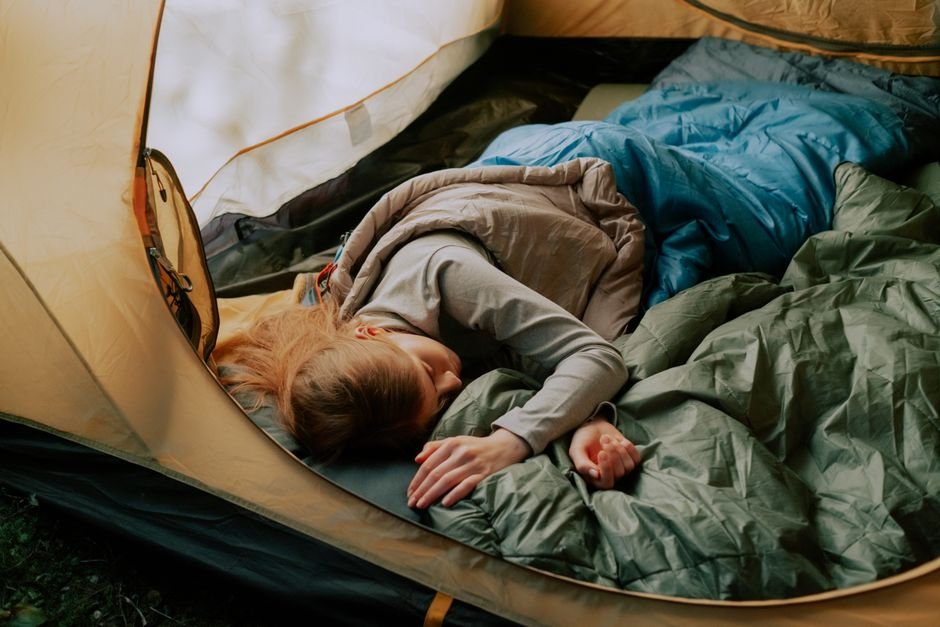
One of the most important things to do before settling into your sleeping bag is to dress appropriately. Wear layers of clothing such as wool socks, fleece pants and a lightweight jacket so you have additional insulation and warmth when needed.
Pre-Heat Your Bag
You can pre-heat your sleeping bag by using chemical packets such as hand-warmers, filling up a hot water bottle, or even using body heat from another person! This will help raise the temperature inside the bag so you don’t have to wait until it reaches its maximum capacity before getting warm.
Avoid Condensation Inside the Bag
If there is condensation inside your sleeping bag, this can sap away your body heat — leaving you feeling cold and wet! Make sure to use a breathable liner or layer of fabric between yourself and the sleeping bag, and keep all damp clothes or gear outside of the tent.
Use an Insulated Mattress Pad
Another way to avoid losing body heat is by placing an insulated mattress pad between yourself and the ground — this will act as an extra layer of insulation and ensure that warmth does not escape through the colder ground below.
Dos and Don'ts for Staying Warm in a Sleeping Bag
Staying warm while camping or backpacking is essential for a successful outdoor adventure. Here are some dos and don’ts to keep in mind when trying to stay warm in your sleeping bag:
Dos:
-
Dress appropriately with layers of wool, fleece and lightweight jackets.
-
Pre-heat your bag with chemical packets, a hot water bottle, or body heat from another person.
-
Use an insulated mattress pad between yourself and the ground to avoid losing body heat.
-
Bring extra blankets, hats and gloves in case of cold weather.
Don'ts:
-
Forget to break in the sleeping bag by setting up camp while wearing it at home first.
-
Neglect to use a breathable liner between you and the sleeping bag to avoid condensation inside.
-
Underestimate your body size — choose a sleeping bag with enough room for comfort.
Common Mistakes to Avoid
Many campers underestimate the importance of sleeping bag quality. Skimping on insulation or choosing the wrong temperature rating can lead to discomfort. Opting for a three-season bag in winter often leaves you shivering, causing sleepless nights.
Another frequent error is over-packing the bag. Stuffing it with too many clothing layers can reduce its loft. This diminishes the overall insulation, negating any warmth benefits.
Using a bag incompatible with your sleeping pad is also common. Ensure that both components work together to create an effective barrier against the cold ground.
Cost Considerations and Options
Sleeping bags come in a wide price range, influenced by insulation type and brand reputation. Basic models start at around $50, but higher-quality down bags can exceed $500. Investing in a top-tier option often pays off in comfort and longevity.
Consider your camping frequency when shopping. If you're a casual camper, a moderate-priced synthetic bag may suffice. For more serious adventurers or those in extreme conditions, a higher-end down bag is recommended. The warmth-to-weight ratio typically improves with a greater investment.
Don’t forget to factor in maintenance costs. Washing and storing the bag properly might add to your expenses, but they are essential for keeping your gear functional. A good-quality waterproof storage sack can also protect your investment from moisture damage.
Regular Maintenance Tips
To extend the lifespan of your sleeping bag, develop a cleaning routine. Regularly checking for dirt and odors helps maintain insulation efficiency. Most synthetic bags can be machine washed in cold water, but follow the manufacturer's guidelines to avoid damage.
Down bags require extra care. Spot clean as necessary and air them out frequently to prevent mildew. When washing, use special down detergents to protect the delicate feathers.
Proper storage is crucial. Never compress your sleeping bag in a stuff sack for long periods. Instead, keep it loosely stored in a large cotton or mesh sack to maintain loft. This practice prolongs insulation effectiveness, ensuring you stay warm in your next adventure. For more tips on staying warm, check out this article.
Layering Techniques for Maximum Warmth
Layering can significantly enhance your warmth inside a sleeping bag. Start with a lightweight base layer of moisture-wicking material. Add insulating layers on top, such as fleece or wool, but avoid bulkiness. Your primary goal is to trap heat while allowing freedom of movement. Ensure your top layer is easy to remove if you overheat.
Conclusion
Staying warm while camping or backpacking doesn't have to be difficult — just make sure that you are well prepared with proper clothing, gear and techniques! With these tips in mind, you'll be able to enjoy a successful adventure with plenty of restful sleep along the way.